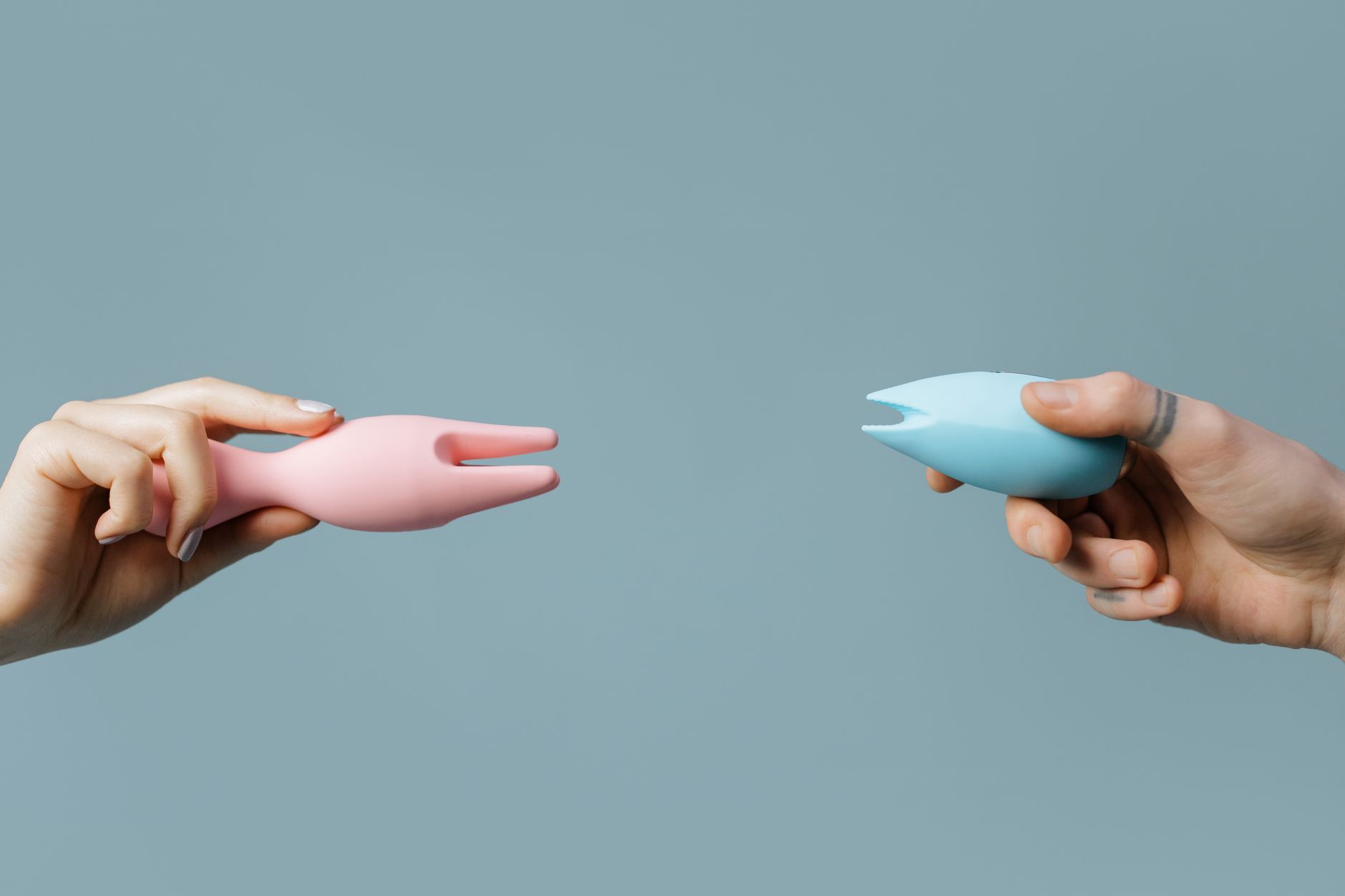
How to Use a Lemon Vibrator When You Have a Low Sex Drive and Want to Rebuild It
Let's be real. When your sex drive tanks, it doesn't feel like a temporary blip. It feels like the permanent end of that part of yourself. And the shame that follows makes it worse. You start avoiding conversations about it, which makes intimacy harder, which tanks your drive even more. It's a spiral, not a switch.
Here's what I've learned from years of working with couples navigating this exact terrain: low libido isn't a character flaw. It's usually your nervous system telling you something needs to change. And rebuilding desire isn't about forcing yourself back into sex you don't want. It's about reconnecting with pleasure on your own terms first.
That's where a lemon vibrator comes in. Not as a performance tool. As a permission slip.
Why your sex drive actually dropped (it's rarely just one thing)
Low libido gets blamed on hormones, stress, age, and relationships. All of those are real. But they're usually working together, not solo.
Stress puts your nervous system in a state of high alert. Your body doesn't prioritize pleasure when it thinks there's danger. Cortisol rises, dopamine dips. Over time, your brain rewires around threat and away from desire. This is not laziness. This is literally how your physiology works.
Relationship disconnection is another heavy hitter. When emotional intimacy drops, physical desire often follows weeks or months later. You can't separate the two as easily as the culture pretends you can. Sex feels like an obligation instead of an invitation, and obligation kills arousal dead.
Hormonal shifts hit too. But here's the thing nobody says clearly enough: hormone changes don't kill pleasure capacity. They change the pathway to pleasure. Slower warm-up, different sensations, less lubrication. Not broken. Different. And different is workable.
Then there's the mental load. If you're carrying most of the emotional labor in your relationship, managing the household, tracking everyone's schedule, you're depleted before your partner even touches you. Desire requires a certain amount of available mental space. When you're running on fumes, that space doesn't exist.
The last piece is harder to name. Sometimes low libido is your body saying no to something that isn't working anymore. A mismatch with your partner. A job that's stealing your aliveness. A version of yourself you've outgrown. When that's happening, revving up your sex drive through willpower is working against yourself, not with yourself.
Why a lemon vibrator works differently for rebuilding desire
Most people think about vibrators as intensity machines. Stronger sensation, faster results. But that's exactly backward when you're trying to rebuild desire from low.
A lemon vibrator, specifically, uses air-suction technology instead of traditional vibration. Here's why that matters for someone with depleted libido.
Traditional vibrators create surface stimulation. Fast rhythms can feel overwhelming when your nervous system is already activated. Air suction works differently. It creates a rhythmic pulsing sensation that feels less intense, more cumulative. Your body gradually builds arousal instead of being shocked into it.
This means you can use a lemon clitoral vibrator at low intensities and actually feel something. You're not fighting against numbness or performing arousal. You're gently coaxing it awake. That's the difference between forcing yourself and inviting yourself back.
The other reason a lemon vibrator works is psychological. Solo pleasure removes the performance angle entirely. No partner watching, no expectations about timing or outcome, no guilt about not being in the mood. You're not trying to get aroused for someone else. You're checking in with what feels good to you.
Starting small. The actual rebuild protocol.
Here's how to use a lemon vibrator when your sex drive is low without pushing yourself further away from desire.
Week one: Zero pressure exploration.
Find fifteen minutes when you're alone and unrushed. This is not about orgasm. This is about sensation. Turn on the lemon vibrator to its lowest setting and spend ten minutes just exploring where it feels pleasant. Collarbone, inner wrists, the back of your neck, your forearms. Notice what happens. Does your nervous system relax? Does your breath deepen? Does your body temperature rise? These tiny signals matter.
Don't touch your clitoris yet. Your goal is to rewire the idea that pleasure can be casual and low-pressure.
Week two: Building familiarity.
Add five more minutes. Still at low intensity. Now you can move to your vulva, but keep the pressure light. Hover. Tease. The lemon vibrator works best when you're not grinding it against yourself. Let it pulse. This is the opposite of the "I need orgasm now" energy you might have in a partner scenario.
Week three: Curiosity over outcomes.
By now, arousal might be naturally building. Or it might not. Both are fine. If it is building, follow it. If it isn't, stay curious. Does a particular setting feel better? Does the suction feel different on different parts of your vulva? Are there times of day when your body responds more easily? You're collecting data, not performing.
Week four and onward: The long game.
Once you've rebuilt basic comfort, extend the time to twenty or thirty minutes. Mix patterns. Move between settings. Let your body discover what it actually wants instead of what you think it should want.
Reconnecting with your partner (without pressure)
One of the biggest mistakes couples make is thinking solo pleasure with a vibrator is separate from partner intimacy. It's not. It's foundational.
When you've spent a few weeks rebuilding arousal on your own, you'll have actual information. You'll know what patterns feel good. You'll know your timing. You'll know whether your issue is genuinely low desire or specifically low desire with your partner (which is different information and requires different solutions).
Bring a lemon vibrator into partnered sex as a tool for pleasure, not a workaround for low libido. Let your partner use it on you while you guide the intensity. Or use it yourself while they're present. The goal is normalizing pleasure as collaborative, not obligatory.
Talk about it beforehand. Not in the moment. Say something like: "I've been rebuilding my connection to pleasure solo, and I want to bring that into our intimacy too. I'm not looking for anything high-pressure. I'm looking to feel good together." That reframes the entire dynamic.
The emotional piece (this is the real work)
Rebuild desire and you'll hit a wall if the underlying disconnection hasn't shifted. A lemon vibrator can't fix a relationship where you feel unseen. It can't resolve the resentment of unequal household labor. It can't make you want sex with someone you've grown distant from.
If your low libido started after emotional disconnection, that's the thing to address. More sex won't fix it. Reconnection will. That might look like rebuilding desire after relationship disconnection, setting boundaries around household labor, couples therapy, or honest conversations about what you actually need.
If your low libido is stress-related, the vibrator is supportive, not curative. You're still going to need to address whatever's activating your nervous system. Sleep, movement, therapy, time off, whatever your body actually needs.
If you're experiencing antidepressant-related libido loss, talk to your doctor about timing, dosage, or switching medications. A vibrator can help you stay connected to sensation while you're figuring that out, but medication changes are a separate conversation.
When low libido signals something bigger
I want to name this clearly because I see it missed in a lot of sex advice. Sometimes low sex drive is your body's way of saying the relationship isn't working. Or the life you're living isn't working. Or you've grown into someone different than you were.
If you rebuild desire on your own and then feel it disappear the moment your partner wants sex, that's information. If you have tons of arousal when you're solo but feel nothing when they approach, that's information. Your nervous system isn't broken. It's trying to tell you something.
Don't override that signal just to have a functioning sex life. Listen to it. It might mean the relationship needs deeper work. It might mean you need something different from a partner. It might mean you need individual time to figure out who you are right now.
A lemon vibrator is a powerful tool for reconnecting with pleasure. It's not a tool for ignoring what your desire (or lack of it) is trying to communicate.
People also ask
How long does it take to rebuild sex drive with a vibrator?
There's no timeline that works for everyone. Some people feel shifts in desire within two to three weeks. Others take two to three months. The people who see the fastest changes are usually the ones who stop expecting a specific outcome and instead approach the process with genuine curiosity. You're rewiring neural pathways, not just stimulating nerves. That takes time. Trust it.
Can I use a lemon vibrator if I'm on antidepressants affecting my libido?
Yes. Many people do. A lemon clitoral vibrator can help you maintain connection to physical sensation and arousal while you're navigating medication changes with your doctor. Some people find that low-intensity, pressure-free exploration with a vibrator actually helps their nervous system downregulate, which can support libido over time. It's not a replacement for talking to your doctor about medication adjustments, but it's a useful tool in parallel.
Is it normal to not feel arousal at all even with a vibrator?
Completely normal. If you've been in a state of low libido for a long time, your arousal system might take weeks or months to wake up. Sometimes you don't feel much of anything for the first few sessions. That's not failure. That's your nervous system slowly recognizing that it's safe to feel again. Keep showing up without expectation, and sensation usually returns. If it doesn't after several months of consistent, low-pressure exploration, talk to a doctor to rule out underlying health issues.
Should I tell my partner I'm using a vibrator to rebuild desire?
That depends on your relationship and what you're comfortable with. Some couples find it helpful to be open about it. Others find it creates pressure or misunderstanding. If you decide to share, frame it as self-care and pleasure exploration, not as something your partner failed to provide. If you decide not to share, that's also fine. Your solo pleasure practice is for you. Full stop.
What if I rebuild some desire solo but still feel nothing with my partner?
That's actually important information. It might mean you need emotional reconnection before physical intimacy resumes. It might mean the relationship dynamic needs to shift. It might mean you've discovered you prefer solo pleasure. Whatever it is, don't ignore it by forcing yourself into partnered sex anyway. That leads back to obligation and resentment. Address what's actually happening in the relationship. That might look like reconnecting intimately without performance pressure or it might mean having a harder conversation about what you need.
Can a lemon vibrator help if my low sex drive is from hormonal changes?
It can help, though you might need to approach it slightly differently. If hormone shifts have changed your tissue sensitivity or lubrication, a lemon vibrator's gentler air-suction approach can feel less jarring than traditional vibration. Pairing it with water-based lubricant and longer warm-up time usually helps. But if your libido drop is purely hormonal, you might also benefit from talking to your doctor about hormone therapy, supplements like testosterone, or other medical options. A vibrator is one tool, not the only one.
Low sex drive isn't permanent, and it's not a reflection of who you are. It's usually your nervous system, your relationship, or your life circumstances sending you a message. Listen to it. Get support if you need it. Use tools like a lemon vibrator to rebuild your connection to pleasure. And be patient with yourself. Your desire will come back, but it comes back on its own timeline, not on anyone else's.
If you're navigating this alongside relationship tension, I'd suggest starting with some of the foundational work around using a lemon vibrator with a partner when you have different pleasure speeds. Sometimes the problem isn't your drive. It's the mismatch. And that's completely fixable.
Ready to explore? The lemon clitoral vibrator is designed exactly for this kind of gentle, pressure-free reconnection. Start where you are. Build from there.