
The gap nobody talks about
Relationship disconnection isn't always dramatic. Often it's quiet. You stop reaching for each other in the morning. Sex becomes something you schedule, then reschedule, then stop mentioning altogether. You love your partner. You're just not touching anymore.
Here's what I see in my practice: couples think the fix is foreplay, date nights, or better communication about sex itself. Those help. But what almost always comes first is rebuilding desire on your own terms, alone, in a way that has nothing to do with performing for anyone else.
That's where a tool like the Lemon Vibrator becomes less about the physical sensation and more about permission. Permission to want something. Permission to feel good without context or audience or obligation.
Why solo pleasure is the real gateway
When you've been disconnected for months or years, your body gets skeptical. It's learned that arousal might not lead anywhere good. That vulnerability might not be met. So it downregulates. The neural pathways that used to fire automatically now ask questions first.
Solo pleasure with a lemon vibrator bypasses the relational tension. You're not negotiating your own pleasure against someone else's rhythm, needs, or expectations. You're just building evidence that your body still responds, that desire is still there, buried under life and stress and avoidance.
I recommend starting with solo exploration for at least two weeks before involving a partner. Not as punishment or withholding. As groundwork.
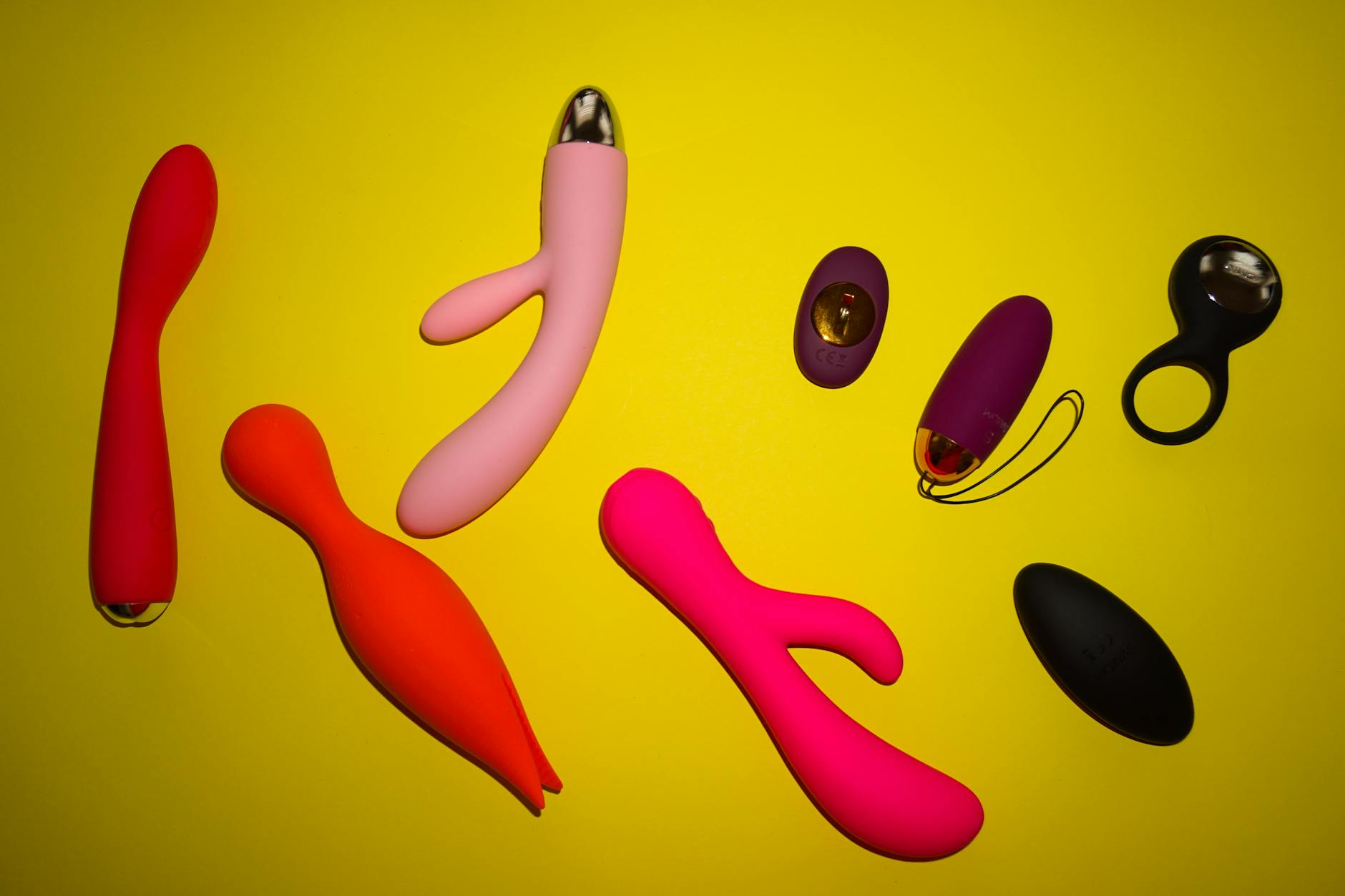
Photo by FounderTips on Pexels
Setting the stage for solo reconnection
Disconnection often means you've stopped prioritizing your own pleasure. The house is messy, your calendar is full, bedtime happens at 10:47 p.m. because someone needs something. Rebuilding desire requires claiming back even thirty minutes as genuinely yours.
Start small. A Thursday evening when your partner is occupied, not a weekend performance. Carve out space that feels stolen, not scheduled.
Physically: clean sheets, your phone on silent, a lock on the door if you have one. Temperature matters more than you'd think. Being cold kills arousal. Being warm opens it. A blanket, warm light, whatever makes your body feel safe and attended to.
Mentally: go in with zero pressure for orgasm. I mean that. The goal is sensation, curiosity, and rekindling the fact that your body is capable of wanting things. Some sessions will feel electric. Others will feel like you're learning a language you forgot you spoke. Both are progress.
The lemon vibrator approach for reconnection
Why a lemon clitoral vibrator specifically? Because air-suction technology (the way the Lemon works) feels like something happening to you, not something you're doing to yourself. That distinction matters when you've been in your head about desire.
Start at the lowest setting. Pattern 1 or 2 on the Lem. You're not chasing an orgasm. You're testing whether sensation still registers as pleasurable without urgency attached.
Place it on the outer edges first, not directly on the clitoris. Let your body remember that building arousal takes time. If you're used to disconnection, rushing past that stage can actually re-traumatize the system.
Take fifteen to twenty minutes minimum. Your arousal curve might be slower than it used to be. That's normal after disconnection. Your nervous system is literally recalibrating. Honor that.
If orgasm comes, great. If it doesn't, that's fine too. You've done the real work: you've reminded your body that pleasure is still possible, and that you're willing to prioritize it.
Moving from solo to partnered after disconnection
Once you've spent two to three weeks rebuilding your own desire, you bring your partner in. Not immediately into sex. Into the conversation first.
Let them know you've been working on reconnecting with your own pleasure. Explain that you'd like to rebuild together, but slowly. This isn't about fixing the sexual relationship. It's about remembering why you touched each other in the first place.
Start with non-sexual touch. Hand holding. Back scratch. Falling asleep in the same position. These things sound small, but they're how your nervous systems remember each other.
When you do introduce the lemon vibrator together, keep the expectations minimal. You might use it while your partner watches. Or they might use it on you while you're together. The point isn't penetration or conventional sex. It's proximity and witnessing.
Many couples find that after months of disconnection, the first time they touch erotically again is surprisingly emotional. That's not a failure. That's your system recognizing safety and vulnerability at the same time. Let it be messy.
The conversation you actually need to have
Disconnection rarely happens by accident. Usually there's something underneath. Work stress, parenting, illness, unresolved conflict, or sometimes just the slow erosion of attention that happens in long relationships.
Rebuildng desire doesn't fix that thing. But it creates a window where you can talk about it together, from a place of curiosity rather than resentment.
I often frame it this way with couples: "You've both been running on fumes. Your bodies have learned not to want in order to conserve energy. What if we just agreed that wanting each other again is worth the energy? Not because you should. Because you get to."
That reframe unlocks something. Desire stops feeling like an obligation and starts feeling like a choice again.
What reconnection actually looks like
It doesn't always look like it did before. You might have less frequent sex but higher quality. You might find new positions feel better. Your orgasms might look different. Your partner might touch you differently. And that's not loss. That's evolution.
I've had clients tell me their sex life after reconnection felt like they were learning each other for the first time. The intensity was different, sharper, because it was intentional rather than habitual.
A lemon vibrator is just a tool. The real work is deciding that your pleasure, and your partner's, deserves to exist again. That decision is what changes everything.
Common questions about rebuilding desire after disconnection
Why does desire feel scary after disconnection?
Because vulnerability got punished. If you reached for your partner during months of distance and they weren't available emotionally, your body learned that wanting leads to disappointment. Rebuilding desire means teaching your nervous system that it's safe to want again. That takes time and consistency, not one good night.
How long does it take to rebuild desire after relationship disconnection?
There's no timeline, but I usually tell couples to expect three to four months of intentional reconnection before desire feels natural again. Some couples move faster. Others need longer. The key is that you're both prioritizing it, not expecting it to happen by accident.
Can a lemon vibrator help if my partner and I have been disconnected for years?
Absolutely. Disconnection is disconnection, whether it's been six months or six years. The nervous system doesn't know the difference. A lemon clitoral vibrator is useful because it's a neutral third party that neither of you is carrying baggage about. It can be easier to reconnect erotically through a tool than through direct touch when you've been avoiding each other.
What if I use the lemon vibrator solo and I still don't feel desire coming back?
Solo pleasure is usually one piece. If desire isn't returning after three or four weeks of consistent self-exploration, that might signal something deeper. Trauma, depression, medication side effects, or deeper relational issues all suppress desire. That's worth talking to a therapist about, not something a vibrator can fix alone.
Should I tell my partner I'm using a lemon vibrator to rebuild desire?
You don't have to. But I often recommend it. Not as confession, but as invitation. Saying "I'm working on reconnecting with my own pleasure, and I'd like us to reconnect too" opens a conversation that usually lands better than saying nothing and hoping your partner notices.
How do I know when I'm ready to involve my partner in lemon vibrator use?
When you feel desire coming back consistently, even if it's just in solo sessions. When you're not using the vibrator to check a box, but because you actually want to feel good. That's when you're ready to invite someone else into that experience.
The permission you actually need
Rebuildng desire after disconnection isn't about doing it right. It's about doing it at all. It's about claiming back the part of yourself that was willing to want, to be vulnerable, to prioritize feeling good.
A lemon vibrator is just a starting point. The real work is deciding that your pleasure matters again. Once you make that decision, everything else follows.
If you're stuck in disconnection and not sure where to start, reach out. We can talk through what reconnection looks like for your relationship specifically.