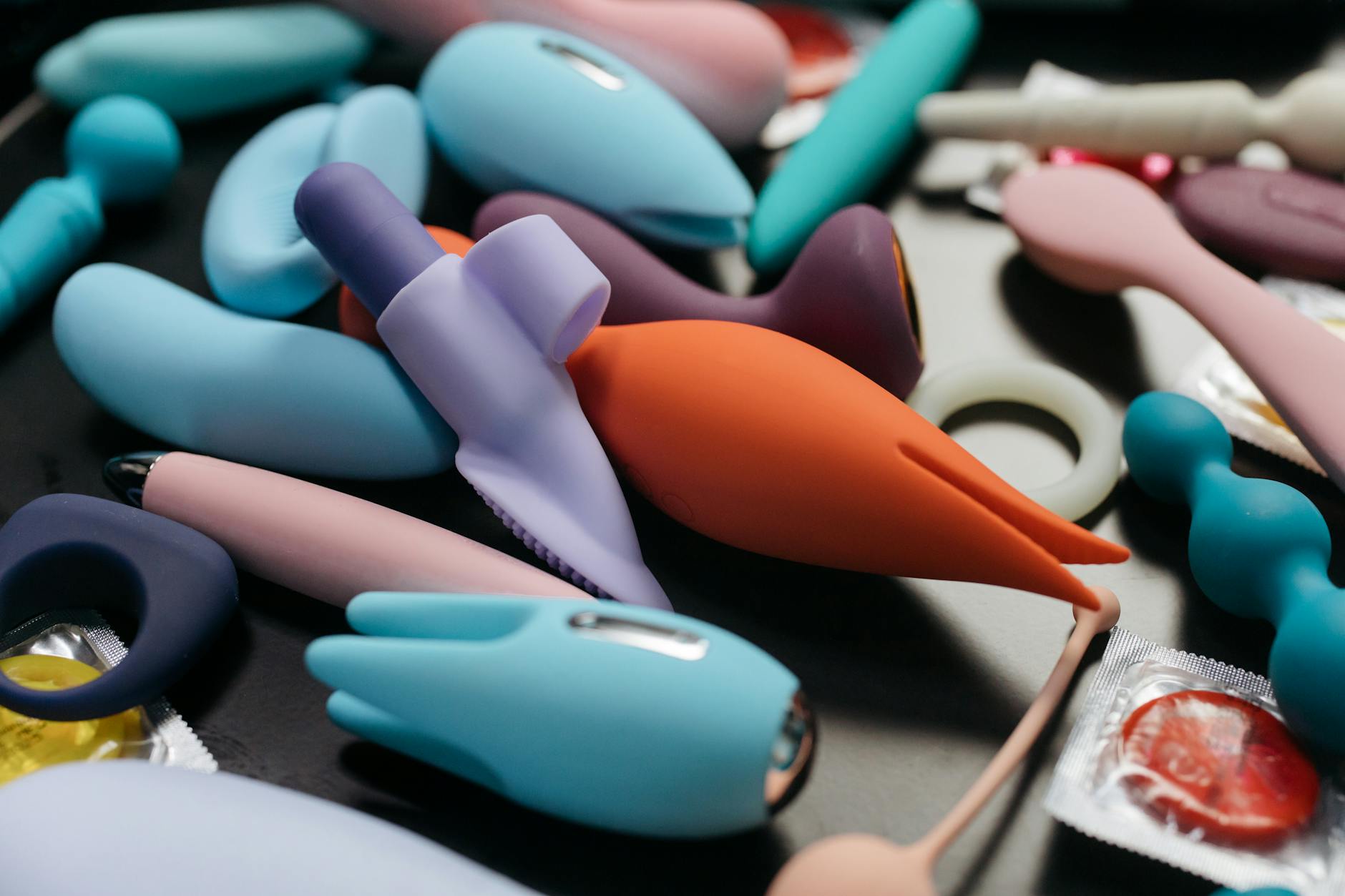
The mismatch nobody talks about
Let's be real. You show up ready. Your partner needs another ten minutes of foreplay just to feel interested. Or the opposite. One of you peaks early, the other barely registers arousal until things have been going for a while. It's not a problem with either person, and it's not a sign the chemistry isn't there.
It's just how bodies work. But when you're in bed together, that timing gap creates awkward pressure. The faster person feels self-conscious for being ready so soon. The slower person feels rushed or like they're holding things up. A lemon vibrator can genuinely change the dynamic here, not by making everyone the same speed, but by giving you both something useful to do while you're waiting for the other person to catch up.
Why speed mismatch happens in the first place
Arousal isn't one thing. It's multiple systems firing at once. Your nervous system, your hormones, your mental state, your past experiences, even what you ate that day. All of it matters.
Some people have what's called a responsive desire pattern. They need external stimulation or a cue from their partner to even register that sex is happening. Other people have what researchers call spontaneous desire. They walk into the room already thinking about it. Neither is better or healthier. They're just different wiring.
Add in the fact that desire changes throughout your cycle, your day, your life stage, and suddenly the idea that two people will naturally sync up starts looking pretty unrealistic. Most couples don't.
The problem with the traditional approach
Here's what most people try: the faster person waits. Or they speed the slower person up through extra stimulation. Both strategies create tension because they ask someone to be different than they are.
The waiting partner gets bored or their arousal actually decreases while they're sitting there trying to look engaged. The partner being rushed feels pressured, which actually makes arousal harder to access. You're both frustrated, and nothing about the experience feels good.
That's where the lemon vibrator changes things.
How a lemon vibrator shifts the dynamic
A clitoral vibrator like those from Lemon Sucker Shop isn't just about the person who's using it directly. When you're using one with a partner, it becomes something you're both engaged with. It's not foreplay in the traditional sense. It's more like a shared activity that lets both of you access pleasure at your own pace.
Here's the actual magic: if your partner needs more time to build arousal, they can be stimulating themselves while you're building connection in other ways. Kissing, touching, talking. You're not waiting around bored. You're both actively engaged. And because they're using a tool designed for efficiency, they're not stuck trying to figure out how to get themselves ready fast enough to "keep up."
There's no keeping up. You're both doing your own thing, together.
Practical setup that actually works
First conversation is the awkward one. Have it outside the bedroom, not in the moment. Something like: "I've noticed we often get ready at different speeds, and I want us both to feel good instead of one of us feeling rushed. I'm thinking a vibrator might help us both relax into this." Frame it as a solution to a real problem, not as something being "wrong" with them.
Then agree on a pattern that works for your bodies. Some couples do simultaneous stimulation. Both of you using a lemon vibrator at the same time, building arousal in parallel. That requires two devices or negotiating turn-taking, but for some people it removes the "waiting" feeling entirely.
Others prefer sequential. The person who naturally takes longer uses a vibrator to build arousal while their partner is engaged in other activities. Then when they're ready, they move into partnered sex. This takes pressure off both people.
A third option: one person uses the vibrator as part of partnered sex, while the other engages with them manually or through penetration. This works well if one person's arousal is hard to access without direct clitoral stimulation. The vibrator isn't replacing your partner. It's augmenting what your partner is doing.
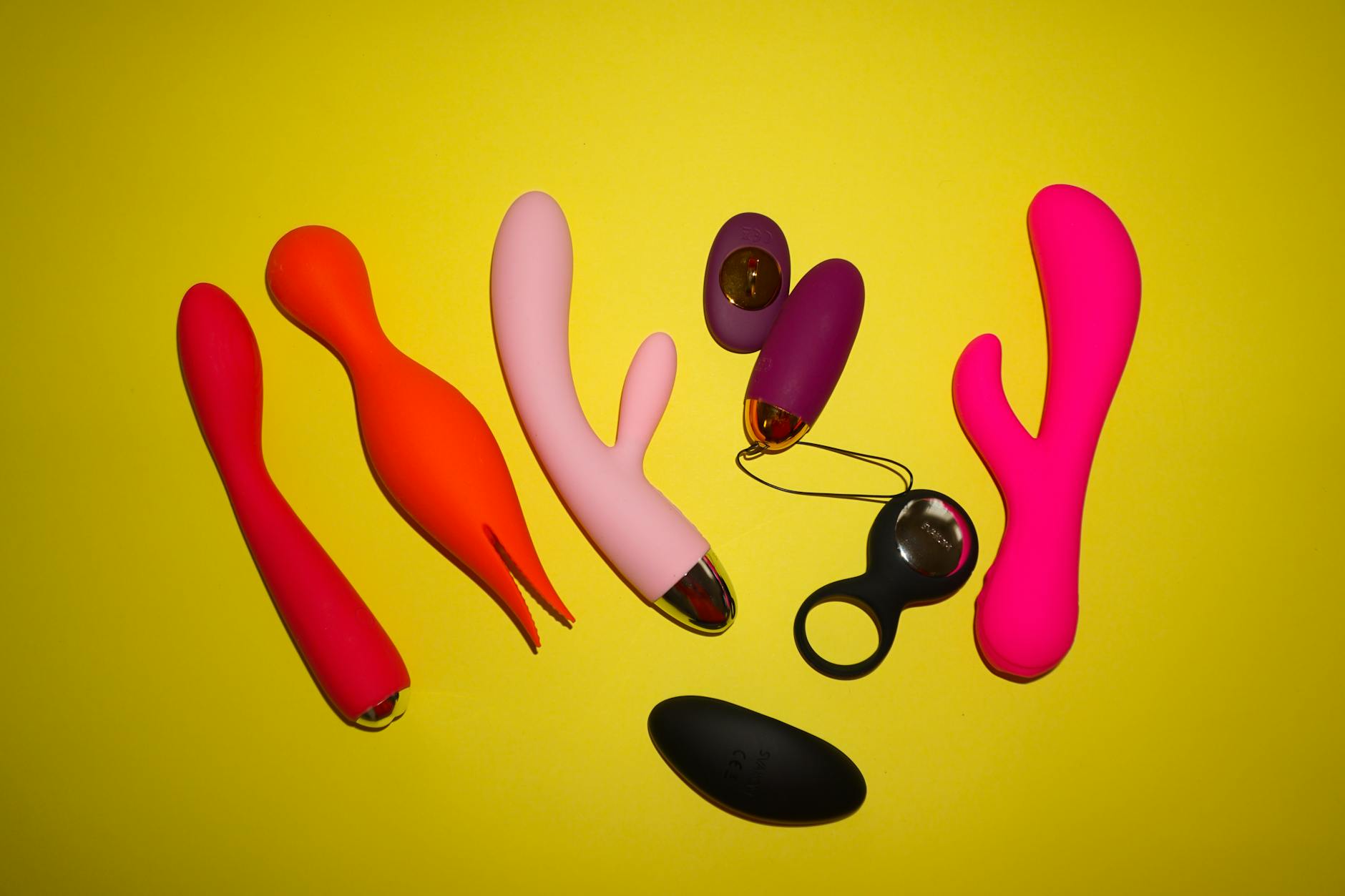
Photo by FounderTips on Pexels
The settings that matter
If one person's body responds slowly to stimulation, starting on pattern 1 or 2 on a lemon clitoral vibrator gives them time to actually feel sensation without it being overwhelming. The slower-to-respond partner can spend five or ten minutes at a lower setting, letting their body gradually wake up. No one's in a rush. Everyone's doing something that feels good.
The faster-to-respond partner can start higher or spend time in foreplay that builds connection. You're not racing to the same finish line. You're both moving at speeds that match your bodies.
One real thing to watch: if one person gets to orgasm first, that doesn't have to mean the scene ends. You can keep going. You can switch positions. You can take a breather and come back to it. Using a vibrator together actually creates more flexibility here because the person who finished has an easy way to step back without making it about them or their partner.
Communication shifts that help
Talk about what you're actually experiencing, not what you think you should be experiencing. "I need more time" is different from "I'm not interested." "I'm already ready" is different from "you're too slow." The language you use determines whether this feels like problem-solving or like one person is defective.
Check in during. Not in a clinical way. Just "How are you feeling?" or "What do you want more of?" If the vibrator is making things better, you'll both know. If it's not, you can try something else.
And honestly, some of the best moments happen when you laugh about the mismatch instead of treating it like a failure. One partner's arousal taking twenty minutes and the other's taking five is genuinely funny if you let it be. It's not a dysfunction. It's just logistics.
When to use a vibrator and when not to
A lemon vibrator is helpful when the speed mismatch is the actual problem. If you're dealing with something deeper, like one partner not wanting sex at all or genuine desire discrepancy, a vibrator won't fix that. That needs conversation and sometimes professional help.
Similarly, if one person has pain during sex or difficulty with orgasm, there are specific approaches that address that. A vibrator can help, but it's not the whole picture.
But if you're both genuinely wanting to be together and just building at different speeds? That's exactly what a clitoral vibrator solves for. It lets both people access pleasure without anyone sacrificing what their body needs.
Why this actually strengthens the relationship
When you stop trying to force synchrony, something shifts. You're not performing arousal for your partner anymore. You're experiencing it. Your partner gets to see you actually turned on, not just going through the motions. That's hot, honestly. And it's also intimate in a different way.
You're also solving a real problem together instead of both pretending the problem doesn't exist. You're communicating. You're problem-solving. You're prioritizing both people's pleasure equally. That spills over into other parts of the relationship.
Using a lemon sucker or any clitoral vibrator with a partner when you have different pleasure speeds isn't about fixing anyone. It's about designing intimacy that works for the bodies you actually have, not the bodies you think you should have.
FAQ: Different Pleasure Speeds With a Partner
How do I bring up using a vibrator with my partner if they've never used one?
Start outside the bedroom. Make it about solving a real problem you've both noticed (the speed mismatch) rather than suggesting something's wrong. Try something like: "I want us both to actually enjoy this instead of one of us feeling rushed. Would you be open to exploring some options together?" Many partners respond well when it's framed as collaborative problem-solving rather than criticism.
What if my partner feels insecure about a vibrator being involved?
Insecurity usually comes from thinking the vibrator is a replacement for them, not a tool for both of you. Emphasize that you're using it together, not instead of them. Some people need to see how it works before they feel comfortable. Let them hold it, turn it on and off, understand that it's just technology, not a threat. And if they remain uncomfortable, respect that. You can still solve the speed issue through other communication.
Can a lemon vibrator actually help if one person takes twenty minutes to orgasm?
Absolutely. A clitoral vibrator like the Lem can reduce the time and effort it takes to reach orgasm by providing consistent, precise stimulation that manual stimulation often can't match. For someone with responsive desire or who takes longer to build arousal, it can be genuinely life-changing. But remember: faster orgasms aren't always better. The goal is pleasure, not efficiency.
What if we both want to use a vibrator at the same time?
Then you either get two, or you agree on a pattern for taking turns. Having two vibrators removes the negotiation and lets both of you focus on your own experience. It's a small investment in making couple's pleasure actually work for both people.
Is it weird if I finish way before my partner even with a vibrator?
Not even a little bit. Orgasm timing is genuinely unpredictable. A vibrator helps your partner get there faster, but it doesn't erase individual biology. Sometimes you'll finish first anyway. That's fine. You can keep going, take a break, switch what you're doing. Using a vibrator actually gives you more options for what happens next.
How do I know which pattern or setting will work for a slower-to-respond body?
Start low. Patterns 1 or 2 on most lemon sexual toys let sensation build gradually without overwhelming the nervous system. Let your partner explore at their own pace. They'll know what feels right. And settings can change throughout. What works at the beginning of foreplay might be too much or too little ten minutes in. Check in and adjust.
Using a lemon vibrator with a partner isn't about fixing a broken dynamic. It's about honoring the fact that arousal works differently for different bodies, and designing intimacy around that reality instead of pretending everyone's the same. That's actually the most connected thing couples can do.