Let's be real about this
If penetration hurts, your nervous system is sending a message. That message is not "you can't have pleasure anymore." It's "this particular thing isn't working right now." Those are two completely different problems.
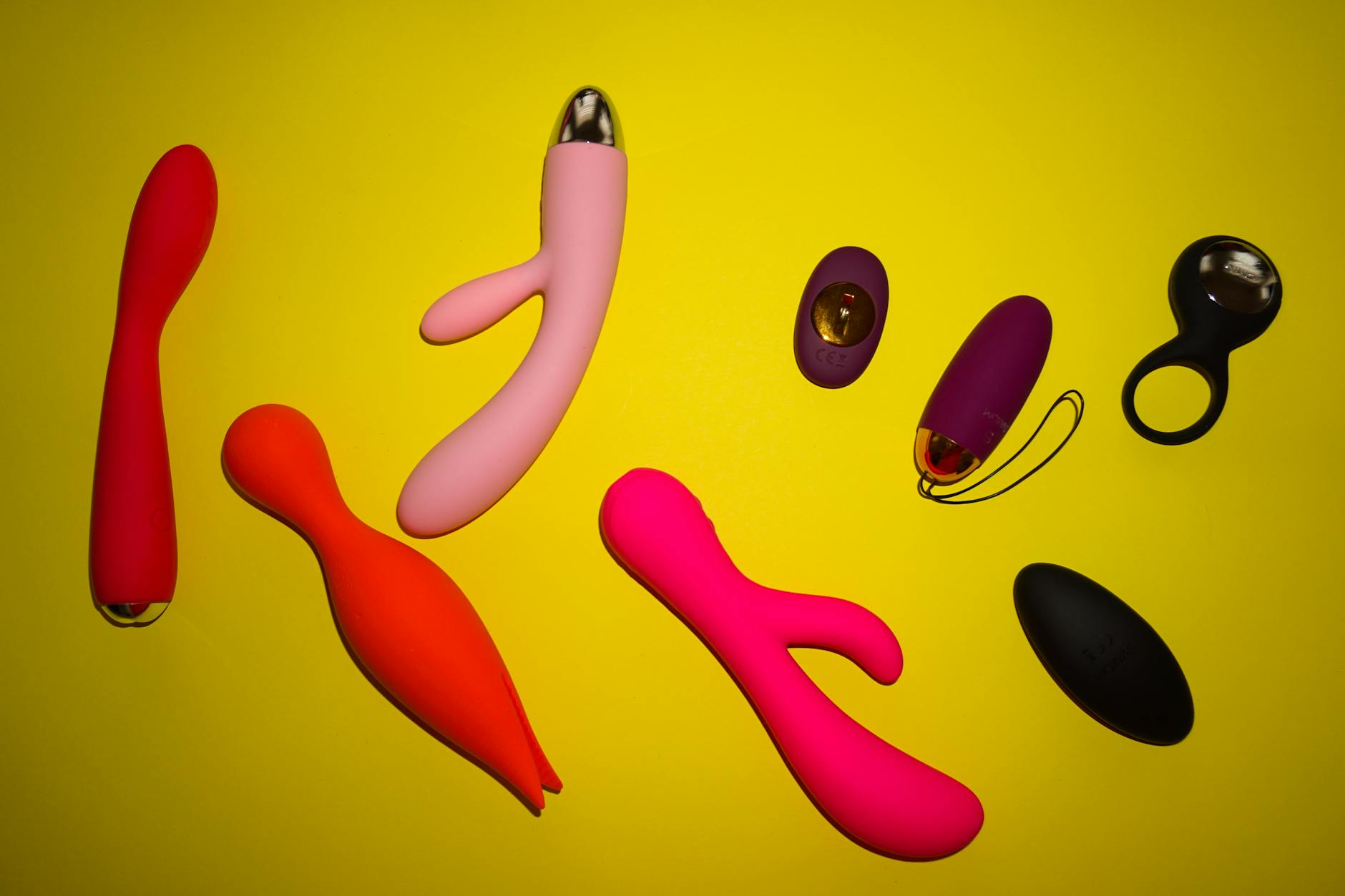
Most conversations about penetration pain focus on fixing penetration. That's the goal for some people, and it's valid. But here's what nobody talks about: clitoral pleasure doesn't depend on penetration at all. Your clitoris has roughly 8,000 nerve endings. None of them care whether something is inside you. And a lemon clitoral vibrator bypasses the entire problem entirely.
Why penetration pain happens
There are about fifteen different reasons your body might be protecting itself by signaling pain during penetration. Vaginismus. Endometriosis. Vulvodynia. Pelvic floor tension. Hormonal shifts. Scarring from childbirth or surgery. Infection. Anxiety. All of these are real, and all of them deserve professional attention.
But while you're working with a doctor or physical therapist on the root cause (which is absolutely worth doing), you don't have to put your sex life on pause. That's the part people miss.
The clitoral alternative: why it's not a consolation prize
I'm going to say something that might feel controversial: some of my clients report that their most satisfying orgasms happen purely from clitoral stimulation. Not because penetration is gone or off the table permanently, but because clitoral pleasure doesn't require trust in your body to stay pain-free.
When you're in penetration and worried about pain, your nervous system is split. Part of you is trying to relax into pleasure. Part of you is bracing for hurt. That split kills orgasms faster than anything else.
With a lemon clitoral vibrator, there's no brace. There's no interior pressure. There's just sensation that you control completely.
How to actually use a clitoral vibrator when penetration is off the table
Here are the basics that change everything.
Start with external stimulation only. If penetration creates pain, your pelvic floor is probably holding tension. You need to send your body a signal that pleasure is happening without triggering the protective reflex. A lemon vibrator on the clitoris does exactly that. No penetration. No risk. Just sensation.
Find your rhythm, not your partner's. When penetration is the normal move, sex often follows someone else's pace and pressure. With a vibrator, you control the speed, the pattern, the intensity. Start on a lower setting. The Lem has several patterns. Try pattern 1 or 2. You're not looking for fast. You're looking for sustainable sensation that builds over time.
Budget time differently. Clitoral arousal takes longer if you're used to the sensation of penetration building things fast. Give yourself 15 to 25 minutes. That's not excessive. That's normal for clitoral orgasms, especially when your nervous system is learning that pleasure can happen without pain.
Use lube even if you think you don't need it. When you're anxious about pain, your body may not self-lubricate generously. Water-based lubricant on your clitoris and on the vibrator makes every sensation more comfortable and lets you focus purely on pleasure instead of friction.
What to do if your partner is involved
This is where a lot of couples get stuck, and it's fixable.
Your partner might feel like clitoral stimulation is a replacement for them, or like they're not needed. That's a story that a lot of people carry, and it's not true. But you have to say that out loud. "I need to focus on clitoral pleasure right now because my body is protecting itself from pain. This isn't about you. It's about me reclaiming sensation in a safe way."
Some partners want to use the vibrator on you. That's beautiful if you both want that. Some partners want to be inside you while you use the vibrator on yourself. That's also beautiful, and it's a completely different experience from penetration alone. The added closeness plus the external stimulation creates something neither of you gets separately.
The conversation to have before you start: what do you both want? Do you want them to participate, or do you want solo time with the vibrator while your body recalibrates? Both answers are good. The wrong answer is not talking about it.
The nervous system piece (the part that actually matters)
When you've been in pain, your nervous system learns to brace. It anticipates hurt. That anticipation can create tension that makes penetration painful even after the physical cause has healed. Breaking that pattern takes time and deliberate safety signals.
Using a lemon clitoral vibrator is one of those signals. You're teaching your body: pleasure happens. No pain accompanies it. Your nervous system gradually learns the difference between threatened and safe.
This isn't therapy. But it is therapeutic in a real sense. Your body is learning that pleasure is accessible.
If pain is new or getting worse
Stop. Talk to a gynaecologist or pelvic floor physical therapist. Seriously. Penetration pain always has a cause, and you deserve to understand what it is. Some causes are easily fixable. Some need ongoing management. Some resolve on their own over time. You can't know which bucket you're in without a professional assessment.
In the meantime, use a clitoral vibrator. That's not avoiding the problem. That's maintaining your sexual health while you get proper care.
When you're ready to reconsider penetration
If penetration pain is something you want to move past (not everyone does, and that's fine), the progression usually looks like this: clitoral pleasure first. Penetration with a vibrator still happening externally. Then penetration with a vibrator if you want it. Then penetration solo, if that's your goal.
Each step happens when your nervous system signals that it's ready. You're not forcing anything. You're building capacity gradually.
Here's what you need to know
Penetration pain is common. It's also treatable or manageable. While you're working on the root cause, clitoral pleasure via a lemon vibrator gives you agency, pleasure, and orgasms without the anxiety. That matters. Your pleasure matters, regardless of whether penetration is part of the picture.
Frequently asked questions
Can I use a lemon clitoral vibrator if I'm currently in pain from penetration?
Absolutely. In fact, clitoral vibrators are often recommended as a way to maintain sexual pleasure and arousal while penetration pain is being addressed. You're not making anything worse. You're taking pleasure into your own hands, literally, while your body heals or adjusts.
Will using a vibrator make me less interested in penetration later?
No. Your body doesn't have a limited pleasure budget. Learning that clitoral orgasms are amazing doesn't erase your capacity for or interest in penetration. Many people find that once they've experienced strong clitoral pleasure, they want a mix of both. Some people decide penetration isn't for them, and that's okay too. Either way, you're choosing based on what actually feels good, not what you think you should want.
Does my partner need to be involved when I use a lemon clitoral vibrator?
Your body belongs to you. If you want solo time to explore sensation without anyone watching or waiting, take it. If your partner wants to participate or be present, that's also valid. Talk about it beforehand so there are no surprises or hurt feelings. Many couples find that vibrator use becomes a shared experience they both enjoy.
What if I feel numb or not much sensation at first?
That's incredibly common, especially if you've been anxious about pain. Your nervous system might not be fully "switched on" for pleasure yet. Give yourself time. Longer warm-up. Consistent use. Breathwork. The sensation often comes as your body learns to trust pleasure again. If numbness persists for weeks, mention it to your doctor. Sometimes medication, hormonal changes, or other factors affect sensation.
Can I use a lemon vibrator if I have endometriosis or other chronic pain conditions?
Yes, but slowly and with awareness. Endometriosis and similar conditions sometimes make clitoral stimulation tender too. If that's you, start on the lowest setting. Build up gradually. Use lots of lube. If clitoral stimulation triggers pain, that's information. Talk to your doctor about how to modify your approach. Some people with chronic pain find that specific vibration patterns or intensities feel better than others.
What if penetration pain is psychological, not physical?
Then a clitoral vibrator is still useful. Anxiety, trauma, or past experiences can make penetration painful even when there's no physical cause. Building positive sensation experiences with a vibrator without penetration helps your nervous system learn that sexual pleasure is safe. That's foundational work that makes everything else easier, including healing from trauma or anxiety.
Sources and further reading
If you're navigating penetration pain, resources like the Pelvic Health and Rehabilitation Center and the American College of Obstetricians and Gynecologists offer evidence-based information. Working with a sex therapist who specializes in pain can also be transformative. You're not broken. Your body is communicating something. Listen to it, get professional support, and give yourself permission to explore pleasure on your own timeline.