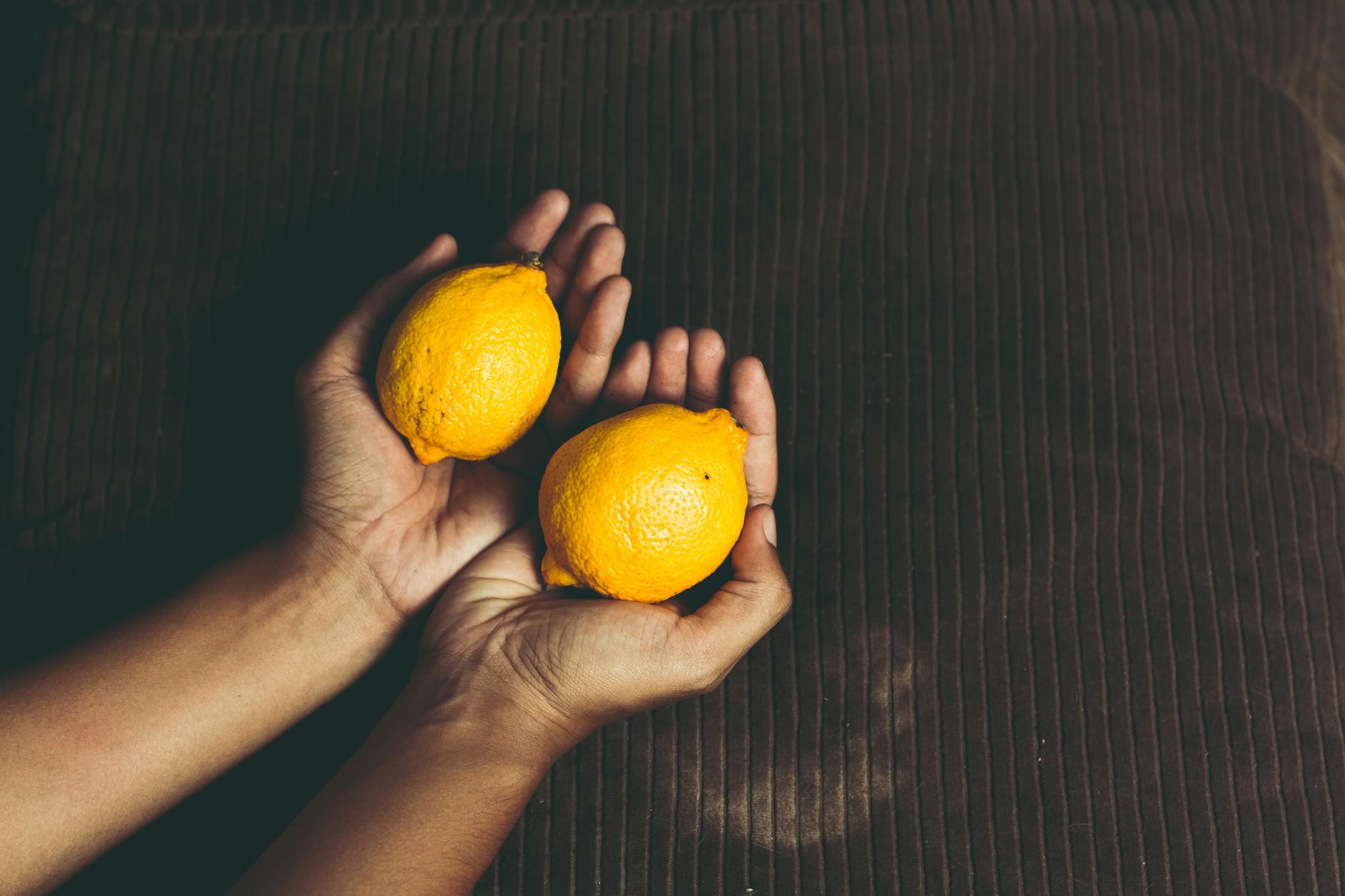
Here's the thing about shame
Shame doesn't announce itself. It doesn't say, "Hi, I'm stopping you from touching yourself." Instead, it whispers. It sounds like "What if someone finds out?" or "This makes me feel weird" or "Am I allowed to want this?" Those tiny doubts add up fast, and before you know it, you've stopped trying altogether.
I've worked with hundreds of people who describe the same pattern. They want pleasure. Their body wants pleasure. But somewhere between wanting and doing, a voice appears saying it's selfish, or embarrassing, or too much. That voice isn't truth. It's internalized messaging from people who weren't you, in situations that don't apply anymore.
A lemon vibrator can't silence shame. But here's what it can do: it can help you bypass the shame loop entirely. Not through meditation or positive self-talk, but through biology. Let me explain.
Why shame sabotages arousal
When you feel self-conscious about your own pleasure, your nervous system stays in a low-level alert state. You're monitoring yourself instead of experiencing yourself. That constant self-monitoring activates your sympathetic nervous system (the fight-flight-freeze response), which is the enemy of arousal. Your body literally cannot get turned on when it thinks it should be vigilant.
This is why willpower doesn't fix the problem. You can tell yourself "you deserve this" a hundred times, but if your nervous system doesn't feel safe, nothing happens. Your brain wins. You end up frustrated, which reinforces the shame. Cycle repeats.
Here's where a lemon clitoral vibrator changes the equation. Suction-based stimulation works fast and requires less mental bandwidth than other toys or manual touch. That speed matters psychologically. When arousal builds quickly, you don't have time to interrupt yourself with doubt. Your nervous system downshifts into parasympathetic mode (rest-and-digest) before the shame voice even gets a word in.
The permission piece is underrated
One of the most practical things I recommend to clients who feel conflicted about solo pleasure is this: buy a toy specifically for yourself. Not a toy your partner picks out, not a toy you "might try someday." A toy that is yours, that cost real money, that sits in your space as a physical reminder that you're allowed to want this.
There's something about ownership that matters. When a lemon sexual toy is sitting in your nightstand, you've already made a micro-commitment. You've said, out loud or in your actions, "I'm worth this investment." That's not frivolous. That's the opposite of shame. That's reclamation.
If you live with a partner or share space, the toy becomes a conversation starter instead of a secret. "I got myself something that helps me feel good," is a complete sentence. No justification needed. No explanation. If your partner can't handle that, that's information about them and the relationship, not about whether you deserve pleasure.
The technical setup that builds confidence
When self-consciousness is high, you need to remove friction. Here's the sequence that works.
First, create a private moment. That might mean locking the bedroom door, it might mean waiting until you're alone in the house, it might mean turning your phone to silent. This isn't about being secretive in a shame way. It's about removing external interruptions so your nervous system can actually relax. You can't downshift into parasympathetic mode while half-listening for someone to come home.
Second, use lube. This sounds practical, but it's psychological too. Lubrication removes friction (literally), but it also signals to your body, "This is going to feel good. I'm taking care of myself." Water-based lube works best with silicone toys. Warm it between your fingers first. That small act of warming it is a form of self-care that your nervous system registers.
Third, start low and slow. If you're using a lemon clitoral vibrator, begin on setting 1 or 2. Let your body warm up. This isn't a race. You're teaching your nervous system that pleasure doesn't have to be intense to be valid. That you're not trying to "perform" an orgasm. You're just exploring sensation.
Finally, give yourself permission to stop. If shame creeps in midway through and you want to stop, stop. That's not failure. That's information. Next time, you might need a bit more privacy, or a different setting, or to try a different hour. Pleasure isn't about pushing through discomfort. It's about expanding your window of what feels safe to experience.
When shame has deeper roots
Sometimes self-consciousness about pleasure isn't just about embarrassment. It can trace back to earlier messages about your body, sexuality, or worthiness. Religious upbringing often leaves residue. Family messaging about "good girls don't" sits in your nervous system decades later. Trauma can make your own touch feel unsafe.
If that's your situation, a toy alone won't fix it. You might need a therapist or coach who specializes in sexual shame. That's not weakness. That's wisdom. A lemon adult toy is a brilliant tool for reclaiming pleasure, but it works best alongside the deeper work of genuinely believing you deserve it.
What a vibrator can do is give you evidence. It can show you that you're capable of arousal, that your body still responds, that pleasure is possible even when your mind is skeptical. That evidence is powerful. It's harder to maintain shame when your own body is proving it wrong.
The partner conversation, if there is one
If you're in a relationship and exploring solo pleasure feels complicated because of that dynamic, here's the move. Tell your partner something like this: "I want to explore my own pleasure. This isn't about you or about our sex life. It's about me building confidence in my own body." That's honest and clear.
If they get defensive, that's worth exploring separately. Secure partners usually recognize that someone who feels good in their own skin brings better energy to partnered sex. Someone building confidence with a new partner often finds that solo exploration actually deepens intimacy, because you know what you like. You're not guessing. You're not anxious. You're present.
One more thing about the shame-breaking moment
I've noticed that the first time someone uses a lemon vibrator when they've been blocked by shame, something shifts. Not always dramatically. But frequently, in that private moment when arousal actually builds and they actually feel pleasure, something releases. It's often described as "I didn't realize I could still feel like this" or "I forgot my body was capable of this."
That's not magic. That's your nervous system getting evidence that pleasure is safe. Your parasympathetic system remembering its job. Your shame-voice getting quieter because your body is speaking louder.
You don't need permission from anyone to want this. You especially don't need permission from yourself.
Frequently asked questions
Does using a lemon vibrator mean I'm not satisfied in my relationship?
Not even close. Solo pleasure and partnered pleasure are different experiences with different purposes. One doesn't replace the other. Many people find that exploring on their own actually improves their partnered sex because they're less anxious and more in tune with their own body. If you're feeling disconnected from partnered pleasure for other reasons, rebuilding desire after relationship disconnection is a different conversation worth having.
What if I feel guilty while using it?
Guilt during pleasure is normal if you've internalized messages that you shouldn't want this. Pause. Breathe. Ask yourself: whose voice is that? Usually it's not actually yours. It's a parent, a religion, a partner, a culture. Once you notice it's borrowed, it loses some power. You can gently redirect your attention back to your body and what actually feels good. If guilt keeps hijacking the moment, that's a sign you might benefit from working with a therapist on sexual shame specifically.
Is it weird to spend money on a toy for myself?
It's actually one of the best investments you can make. You spend money on your health, your comfort, your joy in other forms. Pleasure is part of health. A lemon clitoral vibrator costs less than a month of coffee. If that feels like too much to justify, that's the shame talking again. Notice it. Question it. Then buy it anyway.
How do I know which lemon vibrator is right for me?
Start with something straightforward like the Lemon vibrator. It's intuitive, quiet, and powerful enough that you'll feel results without overwhelming you. You don't need every setting or every bell. You need something that works, something you enjoy using, and something discreet if privacy matters. Everything else is bonus.
Will my partner think it's weird that I want to explore solo?
Secure partners usually don't. Insecure ones might feel threatened, which is worth addressing together. But a partner's comfort isn't your responsibility. Your pleasure is. If you're combining a lemon vibrator with partner touch, that's a different conversation. Solo time is solo time. It's separate, valid, and yours.
What if I try and nothing happens?
Then you try again another time. Arousal isn't always guaranteed. Sometimes your body's just not in the mood. Sometimes your nervous system is too activated by stress or anxiety. Sometimes it takes a few attempts to find your rhythm. That's fine. The point isn't to force an orgasm. It's to give yourself permission to explore without shame. The pleasure, or the attempt, is the point.
The quiet power of reclaiming your own touch
Years of feeling like you shouldn't want this can create a lot of distance between you and your own body. Using a lemon vibrator isn't just about achieving pleasure in that moment. It's about sending a message to yourself that you're allowed. That your desires count. That shame doesn't get to be the final word.
That message compounds. Each time you create that private moment and explore without judgment, you're rewiring something deep. You're teaching your nervous system that your pleasure matters. You're proving to that critical voice in your head that it was wrong.
Start small. Start private. Start wherever you are. The rest will follow.