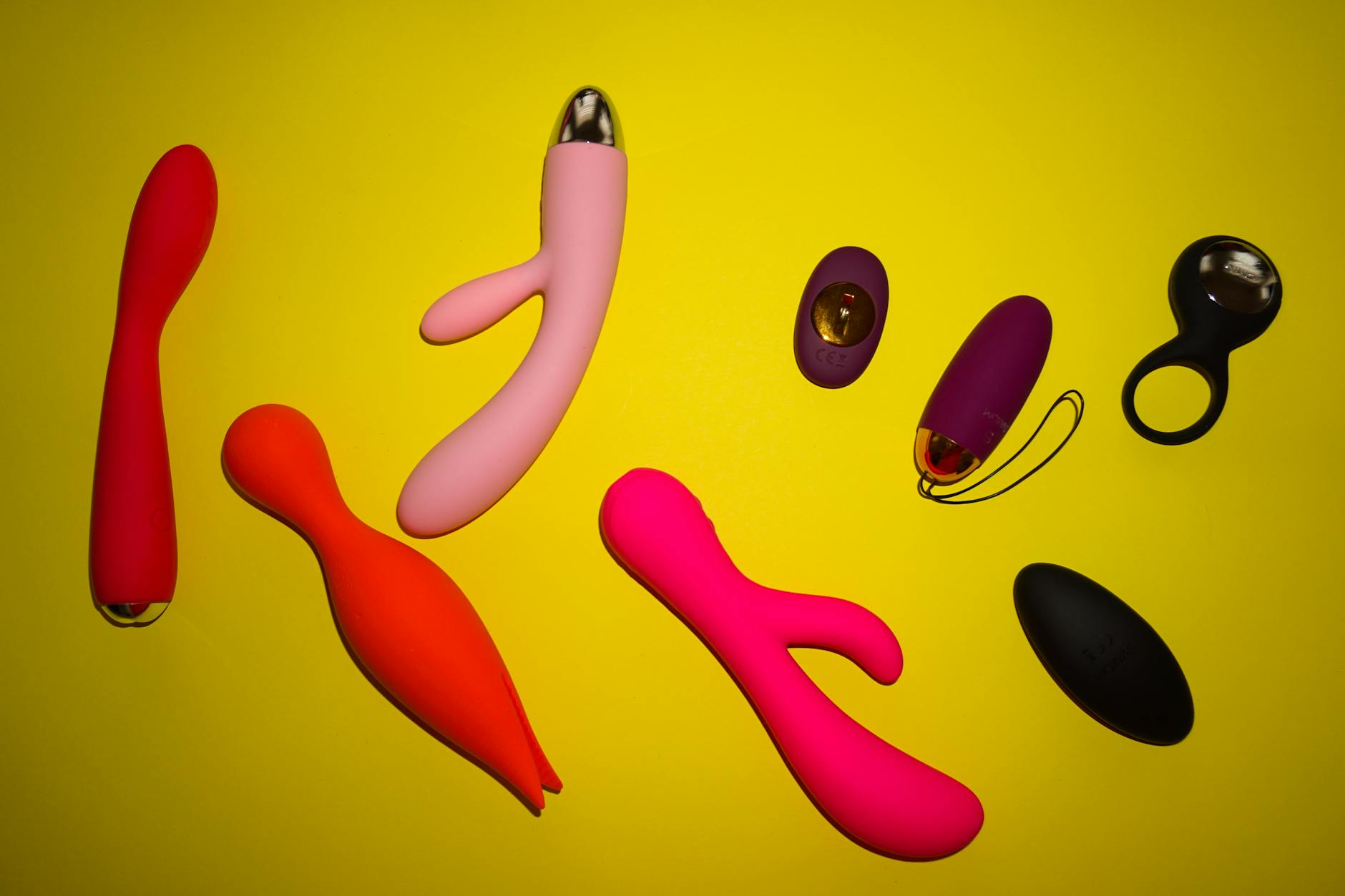
Here's the thing about new relationships and pleasure tools
You've either brought a lemon vibrator into bed already, or you're thinking about it and feeling some version of anxious. The anxiety usually sounds like this: "What if they think I'm weird? What if they feel replaced? What if I can't orgasm without it and they judge me for that?"
I'm here to tell you that these worries are normal, valid, and almost certainly not what your partner is actually thinking.
Why the shame shows up right when you need confidence most
New relationships amplify every insecurity. You're already hyperaware of being watched, evaluated, accepted. Adding a sexual tool to that mix triggers a particular flavor of vulnerability: the fear that your pleasure needs will seem wrong, too much, or unfeminine.
This fear is cultural, not real. It's learned, not biological.
The actual truth? Partners who care about you want you to feel good. They want to know what works. And the vast majority of people in their twenties, thirties, forties, and beyond have either used a lemon vibrator themselves, want to, or are genuinely curious about it. You're not introducing something shocking. You're introducing something intimate.
The conversation is easier than you think
Don't make it a State of the Union. This isn't a negotiation.
The best opener isn't asking permission. It's sharing information about yourself. Something like: "I really enjoy using a lemon vibrator solo, and I'd love to incorporate it when we're together. Would you be into that?"
Notice what that does. It's factual (not apologetic), it's about your pleasure (not their inadequacy), and it gives them an actual choice. They can say yes enthusiastically, yes but let me think about it, or no right now. All three are honest answers worth knowing.
If they hesitate, ask why. Often the hesitation isn't about judgment of you. It's about them feeling like they should do all the stimulation, or worry that they're not enough. That's a different conversation, and it's worth having. You might say something like: "Using this isn't about you not being enough. It's about me exploring what feels best, and I want to do that with you in the room because I trust you."
That distinction matters.
Timing and context
Introduce the idea outside the bedroom first, unless you're both already in a sexual rhythm where toys come up naturally. A random Tuesday afternoon conversation is less loaded than "So... I have something in my nightstand."
When you actually use it together for the first time, don't make it the whole event. Incorporate it into foreplay you're already doing. Let it be a tool that enhances what's already working, not a replacement for anything.
What happens when you use a lemon vibrator with a new partner
Your arousal might look different than it does alone. You're not in your familiar environment, your body's not in its usual rhythm, and your nervous system is partially tuned into someone else's presence. This is normal.
You might need longer to warm up. You might need less stimulation because you're more mentally engaged. You might orgasm differently than you do solo. All of this is fine.
The real gift of using a lemon clitoral vibrator with a new partner isn't faster orgasms. It's information. You get to show them exactly what works, in real time. They get to watch your face when you come. That's intimacy that builds actual confidence, not performative confidence.
How to use it practically
Start at a lower setting. If you're using something like the Lem vibrator, begin at pattern 1 or 2. Your nervous system is alert when someone else is watching, so intense stimulation can feel overwhelming rather than good.
Have them touch you elsewhere. Shoulders, neck, thighs. The dual sensation of touch plus vibration creates a different feedback loop than solo use. Some people find it's more intense. Others find it's exactly right.
Talk about what feels good in the moment. Not philosophical conversations. Just "That's good" or "A bit softer" or "Keep going." This feedback isn't criticism. It's direction, and it's sexy.
The confidence part
Confidence with a new partner isn't about never feeling nervous. It's about doing the thing anyway.
When you bring a lemon sexual toy into bed, you're saying: I know what I like, I trust you enough to show you, and I'm not going to contort myself into someone's fantasy of what sex should look like. That's genuinely attractive energy. Most people respond to it.
If your partner doesn't? If they shame you or make you feel bad about your body or your pleasure? That's information you needed about them. Better to find out now.
You deserve to feel good with someone who wants you to feel good. A tool that helps you get there isn't a failure of the relationship. It's a feature.
Building the habit
The first time is often awkward. This is expected and fine. The second time is usually better because you know what to expect. By the third or fourth time, using a lemon vibrator together becomes as natural as any other part of your sexual routine.
Some couples find it becomes part of their regular rhythm. Others use it sometimes. Neither way is wrong.
What matters is that you stopped carrying shame into bed with you. You introduced something real about yourself, and your partner either met you there or didn't. Either way, you're clearer about who you're with.
When communication breaks down
If your partner shuts down or gets defensive when you mention wanting to use a lemon vibrator, that's worth paying attention to. It might be temporary nerves. It might be a deeper issue with control or insecurity that shows up in other ways too.
Sometimes a single conversation isn't enough. Sometimes you need to come back to it. "I noticed you seemed uncomfortable. Can we talk about what that was about?" is a fair question.
If they're unwilling to explore their own reaction or work with you on your pleasure, that's a yellow flag worth considering. Good partners want you to feel good, even if they need time to adjust to how that looks.
The real win
Using a lemon vibrator with a new partner is a test, in a way. Not of them. Of you. It teaches you what you actually need versus what you think you should want. It shows you whether you can advocate for your body. It demonstrates whether someone is genuinely interested in your pleasure or just performing their version of it.
All of that builds real confidence. Not the kind that comes from someone else approving of you, but the kind that comes from knowing yourself and showing up in bed as your actual self.
That's the foundation worth having with a new partner.
FAQ
Can I use a lemon clitoral vibrator if I've never used one before and I'm with a new partner?
Absolutely. You don't need extensive solo experience to use one together. In fact, some people prefer introducing vibrators with a partner because the shared experience of exploring feels intimate. Start at a lower intensity, communicate what feels good, and let yourself adjust. First time with anything new is usually a bit awkward. That's not a sign it's wrong.
What if my new partner thinks I don't need a vibrator because they should be enough?
That's a belief worth examining together. A lemon vibrator isn't about your partner's adequacy. It's about your nervous system and what creates sensation. You can orgasm from oral sex, penetration, and vibration. None of those means the others are insufficient. They're just different. Frame it as expanding what you do together, not replacing anything.
Should I tell my new partner I own a lemon vibrator before we sleep together?
Not necessarily before. You can mention it when it feels relevant, like the first time you're intimate and thinking about incorporating it. Or you can mention it in conversation before sex if that feels more natural. The timing matters less than the tone. Casual, not apologetic, works best.
What if I want to use a lemon sexual toy but I'm worried about being perceived as too sexual?
Your sexuality isn't something to be managed for someone else's comfort. If you're worried about being perceived as too sexual, check in with whether that belief is actually yours or whether you've absorbed it from somewhere else. A partner worth keeping wants you to be sexual, to know what you like, and to ask for it. If they don't, that's information about compatibility.
How do I bring up vibrators if my new partner seems conservative or religious?
Don't assume their beliefs before asking. You might say something like, "I'm curious about your thoughts on sex toys. Have you ever used one or thought about it?" Their answer might surprise you. Some people with conservative frameworks around sex are actually very open to exploring it with the right partner. Others aren't, and that's their choice. But you don't know until you ask.
Can I use my lemon vibrator the same way solo as I do with a partner?
Not necessarily. Solo, you control everything. With a partner, you're managing two nervous systems and two sets of preferences. You might use lower settings, different patterns, or incorporate it into foreplay differently. The flexibility is part of why vibrators are useful. They adapt to whatever context you're in.