Here's what nobody tells you about coming back
Your clitoris hasn't forgotten how to feel good. But your nervous system might be holding some doubt about it. After a long gap from sexual touch, many people experience a strange disconnect between wanting pleasure and their body's willingness to receive it. That gap isn't a problem. It's just a transition that needs real strategy.
I work with couples and individuals navigating this exact situation regularly, and the pattern is always the same. Pressure to "get back on track" makes things worse. Permission to start slowly, with zero expectations, makes things better.
Why your body feels different (and it's not broken)
When you haven't engaged in sexual activity for months or years, several things happen simultaneously. Your pelvic floor muscles lose some tone, which changes how sensations register. The neural pathways that carry arousal signals get a bit quieter. Psychological factors kick in too. If the gap followed trauma, grief, illness, or just life getting in the way, your nervous system might be cautious about trust.
This isn't malfunction. It's your body being honest about needing a slower reentry.
The clitoral nerves themselves remain intact. The capacity for pleasure doesn't evaporate. But the bridge between desire and physical response needs rebuilding, and that takes patience you probably aren't giving yourself.
Starting with the right tool matters
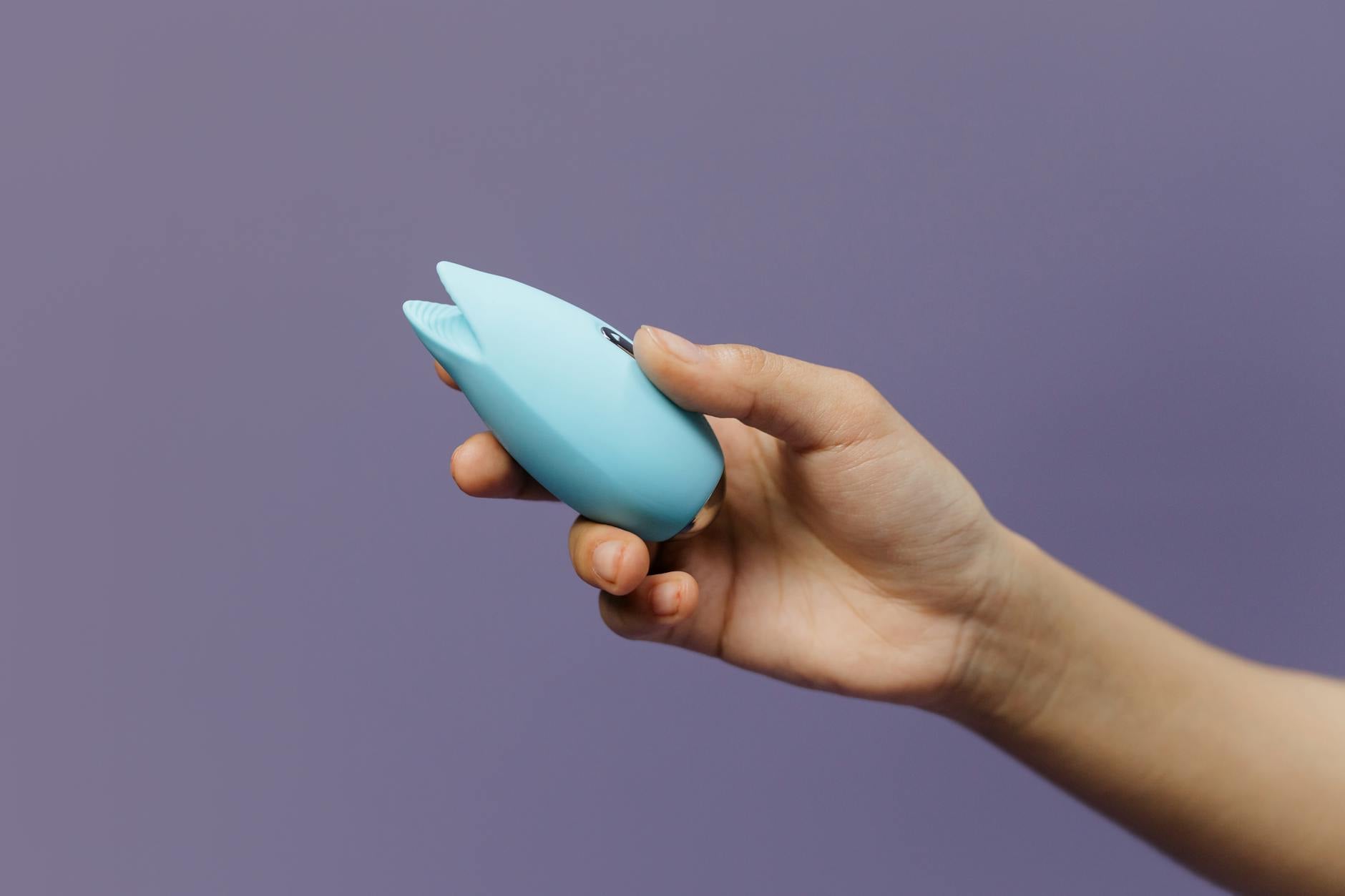
If you're returning to solo pleasure or partnered sex after a long break, air-suction lemon vibrators like the Lem work better than traditional vibrators for several reasons.
First, they don't require direct contact on sensitive tissue. When your body is relearning arousal, intense vibration can feel too much too fast. Suction stimulates the clitoris from multiple angles without needing you to apply the toy directly to skin. You can build sensation gradually.
Second, suction feels gentler on tissue that's been dormant. If hormone levels have shifted (whether from age, illness, medication, or natural life changes), your vulva may be more delicate than you remember. Suction provides intense sensation without mechanical pressure.
Third, many people find that suction feels more like touch than vibration does. It mimics the sensation of direct stimulation, which can feel more emotionally intimate if you're rebuilding trust in your own pleasure.
The three-phase reentry protocol
Phase 1: Exploration without expectation (Days 1-7)
Start by touching your own body without any goal of orgasm. Spend time in a warm bath, under a soft blanket, or in any environment that feels safe and private. The Lem works well here because you can introduce it at the lowest setting (patterns 1-2) for just 30-60 seconds at a time.
Notice what you feel. Not in a clinical way. Just: warmth, tingling, numbness, enjoyment, discomfort. The data is in the noticing, not the outcome. Many people report that reintroducing touch to their own vulva for the first time in years creates an unexpected emotional response. You might feel grief. You might feel joy. Both are normal and worth sitting with.
Do not push toward orgasm. You're teaching your nervous system that touch is safe.
Phase 2: Curiosity and pattern-building (Days 8-21)
Once you've spent a week introducing touch without pressure, you can start exploring sensation. Increase the Lem's intensity incrementally. Try different patterns. Notice which settings feel good for 2-3 minutes at a time. Your body is remembering what pleasure feels like, and that remembering happens through exploration, not through forcing a climax.
Here's where timing matters. Most people report that arousal takes longer to build when they're returning to sex after a break. Budget 15-25 minutes for this phase, even if you're not reaching orgasm. Your nervous system needs the extended signal that pleasure is safe and worth taking time for.
Many people find that orgasm happens unexpectedly during this phase, after they've stopped chasing it. That's the ideal scenario. Your body has remembered.
Phase 3: Building capacity (Week 4 onward)
After two to three weeks of consistent, low-pressure exploration, your nervous system typically begins to trust pleasure again. Orgasms may start to feel more accessible. Sensation may feel more vivid. This is when you can begin experimenting with higher intensities, longer sessions, or (if applicable) partnered play.
But here's the thing: don't throw away the slow approach just because it's working. Many people who've experienced a long gap from pleasure report that returning to slower, more attentive solo time actually improves their sex life more than ramping up intensity ever did.
If you're reintroducing partnered sex alongside this
If your gap from pleasure involved a relationship change, and you're either returning to a long-term partner or beginning something new, the dynamic shifts. Your partner needs to understand that your slower arousal pace isn't rejection. It's healing.
The most valuable thing a partner can do is give you permission to set the pace entirely. You control when, how long, what intensity, and when to stop. This might feel awkward to negotiate, but it's the fastest way to rebuild nervous system trust.
Introducing a lemon clitoral vibrator into partnered sex can also ease the transition. Partners sometimes worry that using a vibrator means they're "not enough." It doesn't. It means you're meeting your body where it actually is, not where either of you wish it was. Many couples find that adding a toy creates space for both people to relax and enjoy the process, rather than turning sex into performance.
Managing the emotional layer
Sometimes the physical gap from pleasure comes with emotional baggage. Guilt about lost time. Shame about your body. Grief about the relationship or life circumstance that created the gap. Fear that pleasure won't come back.
None of those feelings are obstacles to overcome. They're part of the terrain. If the emotional weight feels heavy, talking with a therapist alongside this physical reentry can transform the experience.
What I tell people consistently: you're not broken. You're rebuilding. And rebuilding is slower and messier than the original version, but it's also more intentional. You get to choose what pleasure looks like now, without the pressure of habit or expectation.
Watch for these specific signals
Pain during exploration is a sign to stop and investigate. It's not "normal." It might indicate pelvic floor tension, hormonal changes that need addressing, or something else entirely. If pain appears, see a pelvic health physical therapist or gynecologist who's familiar with sexual health.
Complete numbness in your genitals after two weeks of consistent, gentle exploration might point to nerve compression or a medication side effect worth discussing with your doctor.
Fatigue or dissociation during solo or partnered play is your nervous system saying "too much, too fast." Return to Phase 1. There's no timeline you're falling behind on.
Anything else. Mild tingling, slow arousal, emotional responses, interrupted orgasms, different sensations than you remember. All normal.
The lemon vibrator advantage here
Why specifically mention lemon clitoral vibrators for this situation. Air-suction toys provide customizable intensity that traditional vibrations don't. You can build sensation gradually without overwhelming tissue. The design means you can use it for five minutes or thirty, on pattern 1 or pattern 3, depending on what your body is telling you that day.
If you're working with a partner, many people find that how to introduce a lemon vibrator to a partner who's never used toys helps frame the conversation as collaborative rather than corrective.
A note on timeline expectations
Some people reconnect with pleasure in two weeks. Others need two months. The gap doesn't determine the return time. Your nervous system's pace does.
If you're in a hurry to "get back to normal," you'll fight against your own body's timing. Surrender to slowness, and the return usually accelerates on its own.
FAQ: Returning to pleasure after time away
How long should I wait before trying to reach orgasm again?
Wait until you've spent at least one week exploring touch without any goal of climax. After that, orgasm may come naturally or it may take several more weeks. The timeline varies widely. Some people prioritize reaching orgasm; others find that letting it happen incidentally works better. Neither approach is wrong. Listen to what feels sustainable for your body.
Can I use a lemon vibrator every day during reentry, or does that risk desensitization?
Daily use during the reentry phase is fine, especially if you're on the lower intensity settings. Desensitization typically comes from using the highest intensity settings repeatedly over months. During reentry, you're building capacity, not exhausting it. Use the Lem daily if that feels good to you. If you start feeling numb or bored, take a two-day break and return at a lower pattern.
What if I reach orgasm but it doesn't feel like the orgasms I remember?
Orgasms genuinely feel different after a long gap. Your pelvic floor tone has shifted, your hormones may have changed, your nervous system is in a different state. The orgasm you have now isn't worse. It's different. Some people report that post-gap orgasms feel more localized, or happen in waves rather than one peak, or feel pleasurable but quiet rather than intense. All of these are normal variations, not problems.
Is there an age after which coming back to pleasure takes significantly longer?
Not really. Age alone isn't the limiting factor. What matters is whether hormonal changes (menopause, medication side effects) have altered tissue, and whether your nervous system has experienced trauma or stress. Someone at 28 returning after a major illness might take the same timeline as someone at 55 returning after a relationship shift. Work with your body, not against a clock.
Should I talk to my doctor before reintroducing sexual pleasure?
If your gap from sex came after surgery, illness, medication changes, or hormonal shifts, yes. Your doctor should know that you're returning to sexual activity so they can flag any medical considerations. You don't need permission. You need any relevant medical context.
If I'm coming back with a new partner, should I tell them about the gap?
That depends entirely on you and what you're comfortable sharing. You don't owe anyone a sexual history. But if the gap means your arousal pace is slower, or you need specific conditions to feel good, your partner will benefit from knowing that. Frame it as "my body works this way," not "I'm broken." Most partners respond well to clarity and appreciate not having to guess why your pace is different.
You're not starting over. You're starting fresh.
There's a difference. Starting over implies you're back at zero. You're not. Your nervous system remembers pleasure. Your body knows what it's capable of. You're simply reawakening those pathways with intention and care.
That intentionality, it turns out, is one of the best things that can happen to your sexual life. Many people report that their pleasure becomes deeper and more satisfying after a deliberate reentry than it was before the gap. Not because they're older or wiser, necessarily. Because they've learned to listen to their own body without apology.
Start slow. Use the right tools. Give your nervous system permission to take its time. Your body will remember. And when it does, you'll have built something more sustainable than rush.