Let's be real about sensitive skin down there
If you've ever experienced irritation, rawness, or that uncomfortable friction burn after using a vibrator, you're not alone. Your vulva has some of the thinnest, most delicate skin on your entire body. It deserves better than a toy that treats it like it's got the resilience of your forearm.
The good news: lemon vibrators are specifically engineered to solve this problem. And I'm not just talking about the shape, though that matters. The materials, the vibration patterns, the surface texture—all of it adds up to a toy that respects rather than punishes sensitive tissue.
The material science that changes everything
Here's where most vibrators get it wrong. They use standard silicone or TPE (thermoplastic elastomer) that's cheap to manufacture but rough enough to create micro-abrasions with repeated contact. Think of it like wearing wool underwear for hours. Technically fine for some people, but for vulvas with eczema, psoriasis, or naturally reactive skin, it's asking for trouble.
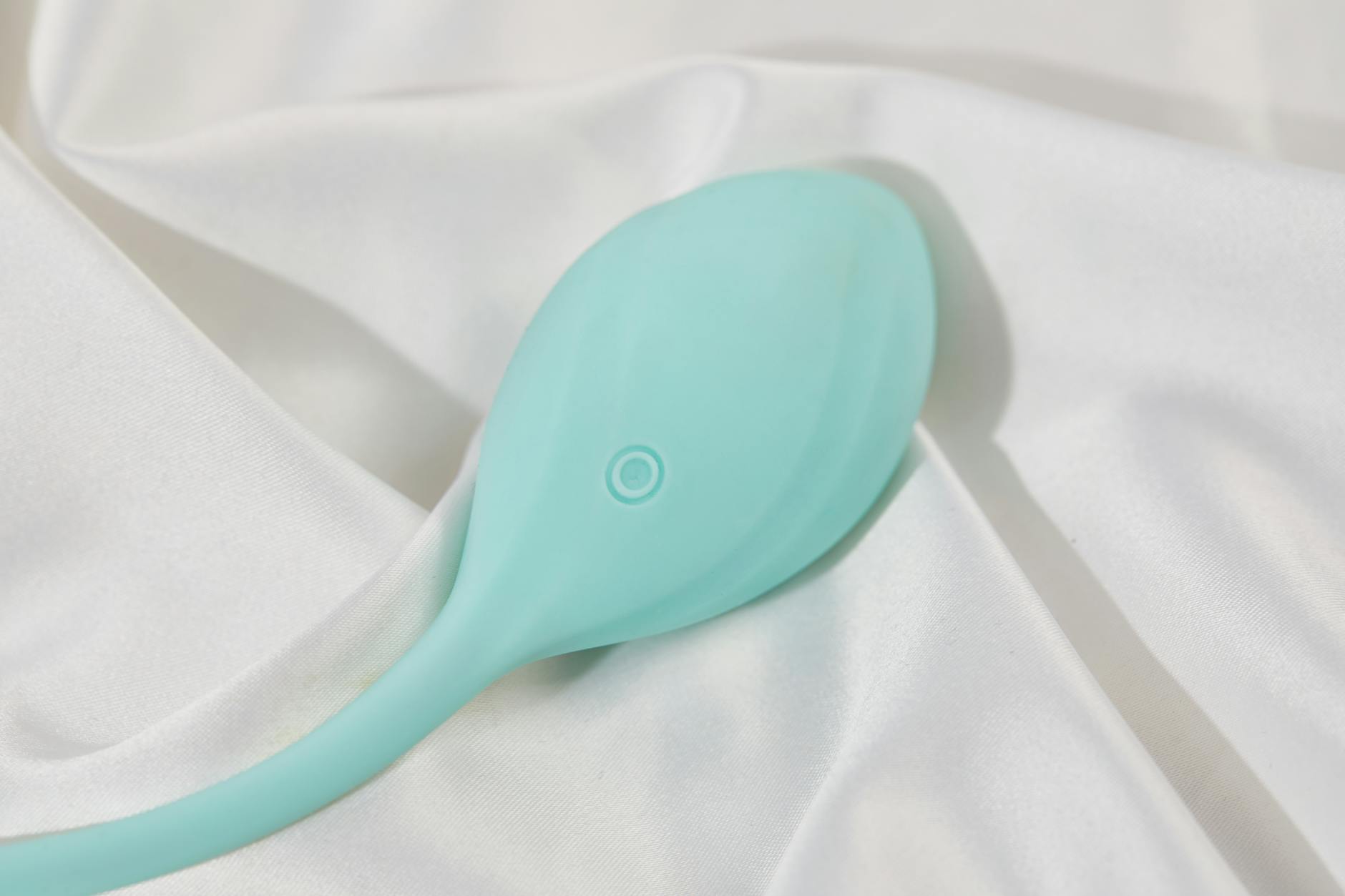
Lemon clitoral vibrators use medical-grade silicone that's been smoothed and buffed to eliminate those microscopic ridges. The surface finish is closer to a polished river stone than sandpaper. This matters because your sensitive tissue is doing zero forgiveness on texture. If the toy's rough, your skin lets you know immediately.
The silicone blend also tends to be hypoallergenic by default. Unlike some TPE toys that contain phthalates or other chemical plasticizers, quality lemon vibrators meet the EU's medical device standards. Translation: they've been tested for what they leach and what they don't.
Why the shape actually prevents irritation
Most clitoral vibrators force you into one position. You're supposed to find the angle that works for you. But if you've got sensitive skin, you're fighting two battles at once: finding the right sensation AND protecting yourself from the toy's edge digging into soft tissue.
Lemon sucker designs—including the iconic lem vibrator—use a contoured shape that distributes pressure across a wider surface area. Instead of a sharp tip that concentrates all the vibration in one spot, the curved head spreads the stimulation. Imagine the difference between a pen tip and a highlighter marker tip. Same principle.
This geometry also means you're not fighting gravity or your own hand position to keep the toy in the right place. The shape does some of that work for you. Less strain, less friction, less potential for irritation.
Vibration patterns designed for ease
Sensitive skin vibrators need to work smarter, not harder. A lemon clitoral vibrator typically offers graduated intensity settings that start genuinely low. Not "low" for a normal person—actually low enough that someone with reactive skin can build arousal without activation.
The pattern selection also matters. Pulsing patterns are gentler than continuous vibration on sensitive tissue because they give your skin micro-breaks to recover. A good lemon vibrator will have patterns that feel like a rhythm rather than an assault.
I recommend starting on the lowest pattern and slowest speed, regardless of your skin sensitivity. Let your body tell you when it's ready for more. This isn't a race.
The pH and chemistry question
Your vulva maintains a naturally acidic pH of around 3.8 to 4.5. This acidic environment keeps harmful bacteria in check. Some cheaper vibrators leach chemicals that are pH-disruptive, which can trigger bacterial vaginosis or yeast infections even if the toy itself doesn't physically irritate you.
Quality lemon vibrators are pH-neutral or pH-balanced in their materials. They're tested for chemical leaching under simulated use conditions. This means you're not introducing unexpected variables into your sensitive microbiome just by using the toy.
If you have a history of recurring infections or lichen sclerosus, this detail moves from nice-to-have to essential. Always check product specifications or ask the manufacturer directly about pH testing.
How to use a lemon vibrator if you have reactive skin
Good material and design only work if you're using the toy correctly. Here are the non-negotiable practices:
Start lower than you think you need. Sensitive tissue responds to lower frequencies better than you'd expect. The lem vibrator and similar lemon clitoral vibrators often have a setting range that goes lower than most people ever explore. Don't skip it.
Use a barrier lubricant. Contrary to what you might think, adding a water-based lubricant between you and the toy actually reduces irritation. It creates a smooth glide surface and reduces friction-based microabrasions. Hypoallergenic, fragrance-free lubes are your friend here.
Don't overuse. If your skin is reactive, two 20-minute sessions per week with a 48-hour break between them is safer than daily use. Your tissue needs time to recover and restore its barrier function.
Clean obsessively. Dead skin cells, lubricant residue, and moisture left on the toy are breeding grounds for bacteria. Wash your lemon vibrator with fragrance-free soap and warm water after every use. Let it air dry completely before storing it.
Red flags that a toy isn't working for your skin
If you notice persistent redness, swelling, or itching that doesn't resolve within a few hours of use, stop immediately. A quality vibrator shouldn't hurt or cause inflammation. If it does, the material isn't compatible with your skin chemistry, regardless of the brand reputation.
Microabrasions from rough surfaces can feel like a dull burning sensation during use. If you're getting that, the toy's finish isn't smooth enough for your sensitivity level. Return it without guilt.
Any sign of chemical reaction—sudden itching, hives, or discharge changes after use—means the toy is leaching something your body is rejecting. That's a red flag about material quality, not a you problem.
How sensitive skin changes what vibrator you should choose
If you're starting fresh and know your skin is reactive, reach for a lemon clitoral vibrator first. They're specifically designed with sensitive tissue in mind. The shape, materials, and vibration patterns all assume you're not just trying to get off. You're trying to get off safely.
The Complete Guide to Lemon Vibrators walks through the full landscape of options and how to think through your own sensitivity level. It's worth reading if you're trying to figure out whether your skin reactions are typical or a sign you need a different toy altogether.
A quality lemon vibrator is an investment in your comfort and safety. Your sensitive skin deserves a toy that's been engineered with your needs in mind, not accidentally made compatible with them.
FAQ: Sensitive Skin and Lemon Vibrators
Can I use a lemon vibrator if I have eczema on my vulva?
Yes, and a lemon clitoral vibrator is often a better choice than most alternatives. Medical-grade silicone is naturally less irritating than TPE or latex. Start at the lowest vibration setting and use only 10-15 minutes per session at first. Always use a fragrance-free water-based lubricant as a barrier. If your eczema is actively flaring, give yourself a few days off before resuming use. Monitor for any increase in itching or redness, and stop immediately if you notice irritation spreading.
What's the difference between a lemon vibrator and a regular vibrator for sensitive skin?
Lemon vibrators typically use smoother silicone finishes that don't create microabrasions. The suction-cup design distributes pressure more evenly across tissue rather than concentrating it in one spot. Vibration patterns on a quality lemon clitoral vibrator are usually more graduated, with genuinely low starting speeds. Regular vibrators are often designed for maximum sensation with no consideration for irritation prevention. The lem vibrator, for example, was engineered specifically with comfort in mind.
Is silicone safe for people with silicone allergies?
True silicone allergies are extremely rare, but some people react to the additives or plasticizers in silicone products. If you have a documented silicone sensitivity, look for vibrators that provide complete material composition transparency or consider glass and stainless steel options instead. Medical-grade silicone has fewer additives than commercial-grade, but always ask the manufacturer for full specifications if you have a sensitivity history.
How often can I safely use a lemon vibrator if I have sensitive skin?
Start with twice weekly, with at least two days between sessions. This gives your tissue time to recover and restore its natural barrier function. As you use the toy and your skin adjusts, you can increase frequency if you're not experiencing irritation. Never push past mild sensation. If you notice any rawness, redness, or burning, take a break for a week and reassess.
Do I need special lubricant for a lemon clitoral vibrator if my skin is sensitive?
Yes. Fragrance-free, hypoallergenic water-based lubricant is your safest choice. Avoid anything with glycerin if you're prone to yeast infections, and avoid silicone-based lubes if you're using silicone toys—they can break down the material over time. Coconut oil sounds natural but can disrupt your pH and feed yeast. Stick with tested, simple water-based formulas. Think boring and unflavored.
What should I do if a lemon vibrator irritates my skin even after proper use?
Stop using it immediately. Wash the area thoroughly with warm water only, no soap, and apply a thin layer of fragrance-free moisturizer if irritation persists. The toy may not be compatible with your specific skin chemistry, and that's not a failure on your part. Contact Hello Nancy's support team with details about the irritation, and they can help you find a better match. Your comfort matters more than any specific product.
The bottom line
Sensitive skin is not a barrier to pleasure. It's just a request for better engineering and more intention. Lemon vibrators were designed with that request in mind. The materials are smoother, the shapes are kinder, and the vibration patterns give your body room to respond without punishment.
Your vulva is worth that care. Choose a toy that respects it.