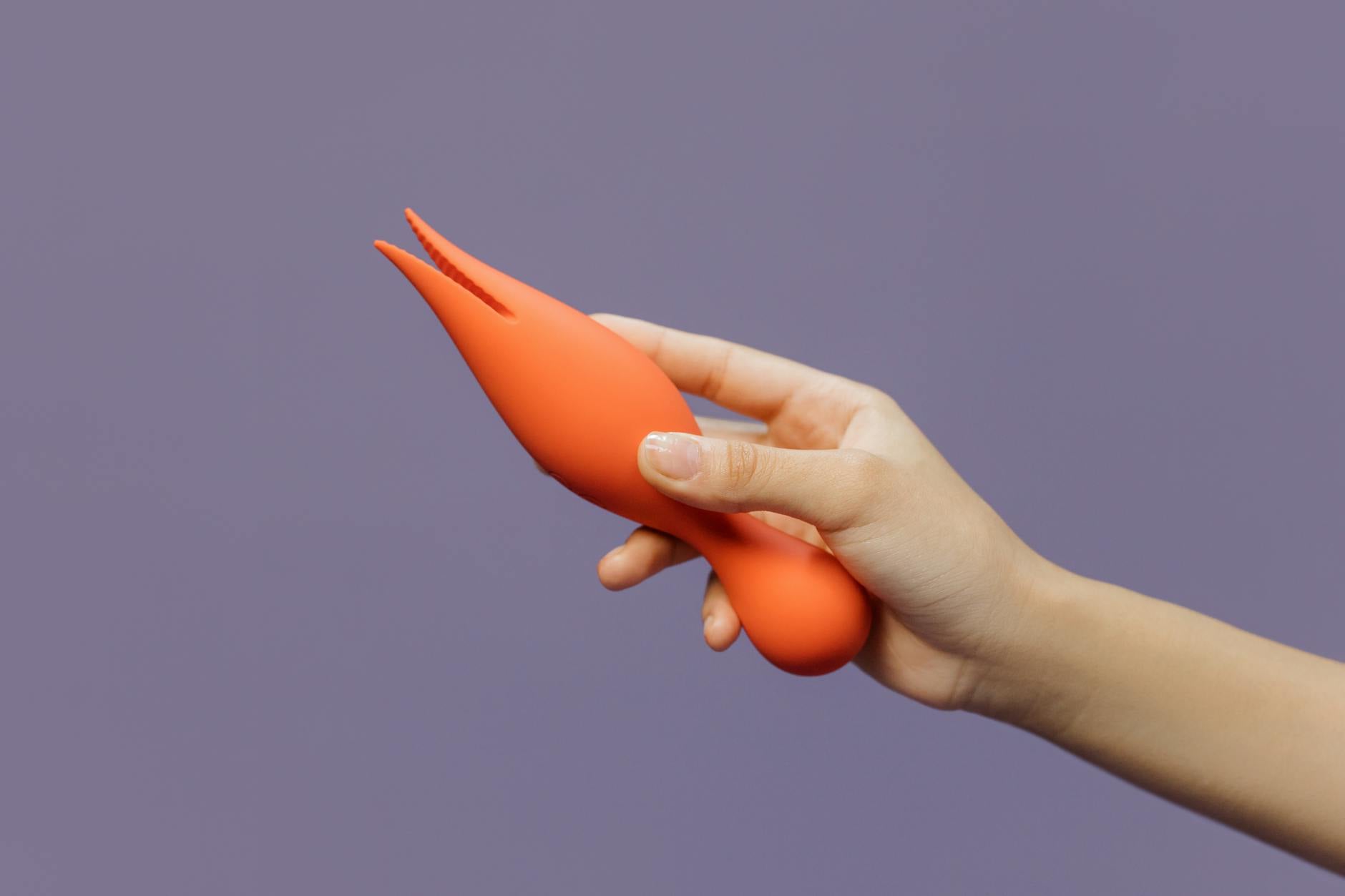
Here's the thing about reduced sensation
Reduced clitoral sensation is real, it's common, and it doesn't mean vibrators are pointless for you. But it does mean the standard advice about using a lemon vibrator falls flat. You need a different strategy.
Reduced sensation happens for several reasons. Medications like SSRIs, blood pressure drugs, and some antihistamines can numb the entire sensory chain. Nerve damage from childbirth, surgery, cycling accidents, or neuropathy can desensitize the clitoris specifically. Age-related tissue changes thin the skin and reduce blood flow. Hormonal shifts after menopause do the same. And sometimes it's a mix of all of these at once.
The good news: a lemon vibrator is actually one of the best tools for working with reduced sensation because it works differently than fingers or other toys.
Why lemon vibrators work when sensation is dulled
Your clitoris has about 8,000 nerve endings packed into a tiny space. When sensation dulls, those nerves aren't dead. They're just less responsive to light touch. This is where a clitoral vibrator like the lemon design changes everything.
Vibration stimulates nerves through frequency, not pressure alone. A lemon vibrator creates rapid oscillation that activates nerve pathways even when static touch gets no response. It's not about how hard you press. It's about sustained, patterned vibration reaching deeper into the tissue.
The lemon's unique shape also matters here. The wider base distributes pressure across the glans more evenly than a pointed toy, so you can apply gentle but meaningful contact without causing discomfort on desensitized or sensitive tissue.
Start with intensity expectations
If you're used to typical vibrator design, a lemon vibrator at setting 1 might feel like almost nothing at first. Don't panic. That's actually perfect.
With reduced sensation, you need to let your body acclimate to the vibration pattern before pushing to higher settings. Spend 3 to 5 minutes on the lowest setting. Your nervous system is relearning the signal. Give it time to register. Many people find that after a few sessions, sensation actually improves because you're training your nerves to recognize the stimulus again.
If setting 1 genuinely produces zero feeling after five full minutes, move to setting 2. But stay there for several minutes before escalating.
Lubrication is non-negotiable
When sensation is already reduced, friction becomes uncomfortable far faster than it would with normal sensation. Water-based lubricant isn't optional here. It's foundational.
Generous lubrication does two things. It removes friction that would otherwise feel like grinding or pressure without pleasure. And it actually improves vibration transmission to the nerve endings because the toy glides instead of catching on dry tissue.
Reapply lube every few minutes. As sensation dulls, you lose the natural feedback that tells you when you're getting dry. You have to manually check and refresh.
Position matters more when sensation is lower
With full sensation, you can press a vibrator almost anywhere on the clitoris and feel something. With reduced sensation, position becomes critical.
The most responsive area is usually the glans (the visible tip) and the upper corners where the clitoral legs diverge. These spots tend to retain more nerve sensitivity than the hood or the sides.
Experiment with slight angle changes rather than moving away entirely. Move from directly on the glans to slightly above it, toward the clitoral hood. You're hunting for the zone of maximum remaining sensitivity. Everyone's different. What works for your partner might do nothing for you.
If you're working with a partner, explicit communication is your best tool here. Guide them: "A little to the left. Yes, there. Hold it."
Build anticipation through the body, not just the clitoris
Reduced clitoral sensation often improves if the rest of your nervous system is already activated. This is why longer foreplay matters dramatically when sensation is an issue.
Spend 15 to 20 minutes on non-genital touch before the vibrator ever appears. Touch your breasts, your inner thighs, your neck. Let your heart rate rise. Breathe differently. Your body's general arousal state actually increases blood flow to the genitals and amplifies whatever sensation is available.
When you finally bring in the lemon vibrator, your nervous system is already primed. Sensation will feel noticeably sharper than if you'd gone straight to it.
Consider pattern over raw power
Most people with reduced sensation assume they need the absolute highest setting. Often the opposite is true.
A consistent, steady pattern at moderate intensity is more likely to trigger orgasm than a high-powered setting that just feels like aggressive buzzing. Your brain needs to recognize the rhythm and build on it. High intensity can feel overwhelming or numb.
Try spending time on settings 3 and 4 with a lemon vibrator rather than jumping to maximum. Many of these devices have subtly different vibrational patterns on different settings, not just increasing power. You might find the right setting at 4 where 6 would have been useless.
Time it right in your cycle
If you menstruate, reduced sensation often fluctuates throughout your cycle. This is worth paying attention to. If you have better sensation mid-cycle around ovulation, plan your exploration then. You'll learn what your clitoris is actually capable of when conditions are optimal, which you can then work with during less sensitive phases.
If you're post-menopausal or on hormonal birth control that eliminates cycling, sensation tends to be more stable, but it may take consistency and practice to improve. Give yourself permission for that ramp-up time.
The mental piece matters as much as the physical
Reduced sensation often comes packaged with frustration. You remember what sensation used to feel like, and now it doesn't. That grief is legitimate.
But frustration literally makes sensation worse. Stress constricts blood vessels. Anxiety triggers your nervous system's fight-or-flight response, which shuts down pleasure pathways. If you go into a session angry or resentful, your body will produce exactly the results you expect: nothing.
This is why how to use a lemon vibrator safely with anxiety and trauma history matters even if you're not working with formal trauma. You're managing your nervous system's responsiveness.
Go in curious, not demanding. "Can I feel something different today?" beats "This better work."
When to add accessories or explore different approaches
If after consistent use over 4 to 6 weeks you're still feeling almost nothing, explore combination stimulation. Use your lemon vibrator on the visible clitoris while manually stimulating the internal clitoral legs (the tissue inside that runs back and to the sides). You're essentially creating a surround effect.
Or try a different toy altogether. A lemon clitoral vibrator works brilliantly for some people with reduced sensation and not at all for others. The specific nerve pathways that remain functional vary person to person.
If medication is the culprit, talk to your prescriber about timing or alternatives. Some medications hit sexual function harder at certain dosages or times of day. Adjusting when you take it might help more than any toy ever could.
The patience part is real
Restoring or adapting to reduced clitoral sensation takes time. Your nervous system doesn't rewire in one session. You're building new neural pathways or learning to work with diminished ones.
Many people report that after weeks of consistent use, sensation gradually improves. Others find that the lemon vibrator becomes a reliable tool within their new baseline. Both are wins.
Your pleasure matters regardless of what percentage of normal sensation you have available. A lemon vibrator in your hands is not about recreating the past. It's about meeting yourself where you actually are and working from there.
People also ask
Can vibrators help restore lost sensation over time?
Yes, in many cases. Consistent stimulation trains your nerves to recognize and respond to signals. Some people report gradually improved sensation after weeks of regular vibrator use, especially if reduced sensation is medication-related rather than from permanent nerve damage. That said, restoration isn't guaranteed. Some nerve damage is irreversible. The realistic goal is often learning to enjoy what sensation remains, not chasing what you had.
Is a lemon vibrator better than other vibrators for numb or reduced sensation?
Lemon vibrators have specific advantages: the broad, flat surface distributes pressure evenly without concentrated force, and the design allows precise positioning on sensitive spots. But individual responses vary wildly. Some people with reduced sensation get better results from wand vibrators or egg vibrators. The only way to know is to experiment. Your clitoris has specific nerve pathways that may respond better to one style over another.
How long should I use a lemon vibrator if I have reduced sensation?
Start with 5 to 10 minutes at low settings. If you're not feeling anything, don't force it past 15 minutes in one session. It's better to come back tomorrow with lower expectations than to exhaust yourself chasing sensation that isn't happening. If you're having moderate success, 15 to 20 minutes is reasonable. Listen to your body's actual feedback, not what you think should happen.
What if my partner thinks my reduced sensation is their fault?
It almost certainly isn't. Medication, aging, hormones, and nerve damage are biology. A good partner understands that. If your partner is taking reduced sensation personally, that's a relationship conversation, not a toy problem. Consider working with a couples counselor who specializes in sexual health. Reduced sensation is manageable. Resentment or blame is much harder to fix without help.
Should I talk to my doctor before using a vibrator with reduced sensation?
If reduced sensation is new or sudden, yes. It could signal something that needs medical attention. If it's chronic or medication-related and you already know the cause, a quick check-in with your prescriber about whether vibrator use is safe for your specific condition is reasonable. Most doctors will say yes. Some conditions require specific precautions. Better to ask than guess.
Can lube actually improve sensation, or just comfort?
Both. Proper lubrication removes the friction feedback that your brain interprets as friction rather than pleasure. When your clitoris is already desensitized, friction actually dampens whatever sensation is there. Good lube lets vibration transmit more cleanly to your nerve endings, which measurably improves the sensation you do have. So lube isn't just comfort. It's strategy.
The real takeaway
Reduced sensation is a genuine change, and pretending it doesn't exist helps no one. What works is honest assessment of what you can actually feel, patience with the nervous system's actual timeline, and tools like lemon vibrators that work with your current capacity rather than against it. Sensation can improve. Or you can learn to find real pleasure within the bandwidth you have. Both count as success.