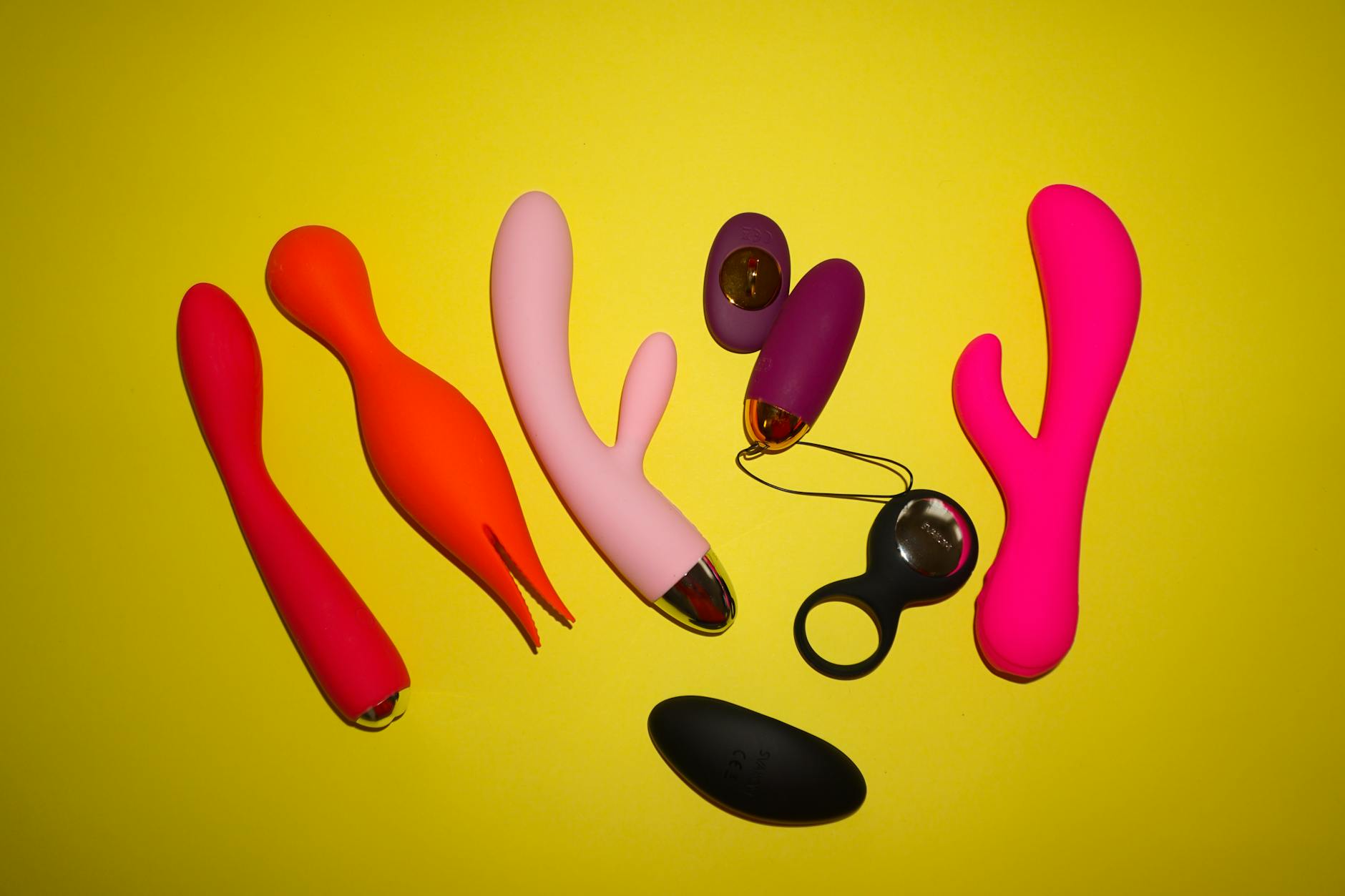
Let's be real about the first-time conversation
Introducing a lemon vibrator or any clitoral vibrator to a new partner feels like it carries weight. Here's the thing: it doesn't have to. The awkwardness mostly lives in our heads, not in the actual moment. I've worked with hundreds of couples navigating exactly this transition, and the ones who move through it smoothly do one thing differently. They separate the tool from the intimacy and treat it as a conversation about pleasure, not a referendum on the relationship.
You're not saying "I need this because you're not enough." You're saying "I found something that feels amazing, and I'd like to share it with you." That distinction changes everything.
The timing question
There's no single right moment, but there are definitely smarter ones. Here's what I see work:
Don't bring it up during sex. Not mid-foreplay, not right after. The brain is in a different mode entirely, and you're adding complexity to an already-vulnerable moment. The best time is when you're both clothed, relaxed, and not in a rush. That could be on the couch watching something, after dinner, or during one of those late-night conversations where you're both already being honest about things that matter.
Avoid the setup where you spring it on them right before sex. Give them time to digest the idea. If you mention it on a Tuesday evening, you might try it together on Friday. That buffer lets their nervous system catch up.
Similarly, don't introduce it when either of you is stressed, tired, or already dealing with tension about something else. You want them bringing their actual self to this, not their anxious self.
What to actually say
Forget elaborate explanations. Longer isn't clearer. Try something like:
"I've been using a vibrator I really like, and I'd love to incorporate it when we're together. I think it could feel good for both of us, and I'd like to try it next time."
That's it. You've named it, you've said why, you've given a light timeline. No performance anxiety, no apology, no overselling.
If they ask questions, answer them. "Does this mean you're not satisfied?" gets a direct response: "No, it's separate from that. I just like how this feels, and I want to share it with you." Full stop.
If they hesitate, don't push. "I get it if you want to think about it. No pressure. Just let me know what you're feeling." Then actually give them space. People warm up to ideas faster when they don't feel cornered.
Why the lemon vibrator specifically
Lemon clitoral vibrators like the Lem work really well in new relationships because they're designed for external stimulation, which is lower stakes than insertable toys for a first-time conversation. The suction pattern creates a specific kind of sensation that people find either "oh wow, this is intense" or "I'm not sure about this," but rarely "this feels invasive or uncomfortable."
That matters psychologically. Your partner might feel less vulnerable trying something external first, especially when they're still building trust with your body and your pleasure preferences.
The actual first time
Keep expectations light. This isn't the night you're chasing the biggest orgasm of your life. You're testing it out together. Start with clothes on, or wait until you're already aroused. Introduce it slowly. Pattern one, low intensity. Let them get used to the sensation before you're reaching for higher settings.
If they want to hold it, great. If you want to guide it, that works too. The rhythm of control matters more than you'd think. Some people love the autonomy of holding their own toy. Others prefer their partner controlling it. You won't know until you try, and that's fine.
Talk during it. "Does this feel good?" "Want me to try the other pattern?" "What if I move it this way?" Checking in isn't awkward. It's the opposite. It's hot because it says you actually care whether this is working for them.
When it doesn't click the first time
Sometimes it doesn't. Sometimes the sensation is too intense, or the vibe is off (literally or emotionally), or they're just not ready yet. That's completely normal and it doesn't mean the idea failed. It means you need one more conversation.
"That wasn't quite what I expected" is useful information. "I want to try again but maybe differently" is different from "this isn't working for us." Don't collapse those together. Ask what would make it better. Less intensity? Different timing? Different context entirely?
If they're genuinely not into it, you have a choice: let it go, or have a real conversation about why. Sometimes the resistance isn't about the toy. It's about trust, or control, or something they haven't articulated yet. A good coach or therapist can help you both untangle that.
Building from here
Once you've done it once, it becomes easier. The second time, the conversation is shorter. The third time, you're already reaching for it without much discussion. This is how novelty normalizes. By the time you've been together six months, the lemon vibrator is just part of your regular rotation.
That's actually the goal. Not some weird peak experience, but integration. You want a partner who's comfortable with your pleasure tools the way they're comfortable with your toothbrush. It's part of your self-care. It's normal.
The couples I work with who move through this most gracefully are the ones who stop treating it like a risk and start treating it like communication. You're literally showing your partner what gets you there. That's vulnerable in a good way.
What if they ask to try one themselves
This happens more than you'd think, especially if your partner has external anatomy. The lemon clitoral vibrator works just as well for them. If they're curious, absolutely encourage it. You might discover that using one together, each with your own device, is exactly the kind of parallel pleasure that changes how you experience intimacy.
Or they might try it once and decide it's not their thing. Both are fine. The goal isn't to convert everyone into vibrator devotees. It's to normalize pleasure tools as part of a confident, honest sexual partnership.
The conversation after
Don't wait weeks to mention it again. If it went well, say so. "I really liked that" or "It felt good having you here while I used it." If it was awkward, acknowledge that too. "That felt a bit off. Want to try again differently next time?"
This is how you build the kind of partnership where pleasure isn't a surprise or a test. It's collaborative. It's something you're actually working on together, which, honestly, deepens things way beyond just the physical part.
Your partner might surprise you. They might get genuinely curious about how you experience pleasure, or what different sensations feel like for you, or what settings work best for different moments. That curiosity is where real intimacy lives.
Start the conversation when you're both ready. Keep it simple. Stay open to how they respond. And remember: if they're the right person, they'll want to know what makes you feel good. Full stop.
FAQ: New Partner Questions About Lemon Vibrators
Why would I use a vibrator with a new partner instead of waiting longer?
You don't have to wait. Pleasure isn't something you earn access to after a certain number of months. If you know you like vibrators and you want to share that part of yourself, early is actually better than late. It sets the tone that you're comfortable with your own body and your partner's comfort with that matters.
What if my partner thinks I want to use it instead of having sex with them?
That's a common fear, and it comes up a lot in the conversations I facilitate. Clarify directly: "I want to use this with you during sex, not instead of it." The lemon vibrator is additive, not a replacement. Most people get this quickly once you name it. If they don't, that might be about their own insecurity, and that's worth exploring together in a calmer moment, not during the awkward toy conversation.
Is there a difference between introducing a lemon vibrator versus a different type of clitoral vibrator?
Yes. Lemon vibrators and similar suction-style toys are generally perceived as less invasive because they're external-only and create a unique sensation that feels distinct from fingers or other toys. For a new partner, that can feel less intimidating than a wand vibrator or insertable toy. Start with what you know works for you, but understand that your partner might perceive it differently than you do.
What if they get offended and think I'm saying they're not satisfying?
This comes from a place of insecurity, and it needs a direct answer. "When I use a vibrator, it's about the specific sensation, not about you. You could be the most attentive partner in the world and I'd still enjoy this. These are separate things." If they need reassurance beyond that, there might be deeper trust work to do before toys come into play.
Can I just leave a lemon vibrator out and let them discover it?
No. That's a surprise they didn't consent to, and it can feel violating, not playful. They deserve to know it's coming and have time to think about it. Consent isn't just about sex. It's about their experience of your home and your intimate life together.
How do I know if they're actually okay with it versus just going along?
You ask. "I want to check in. How are you actually feeling about trying this?" People-please sometimes, especially in new relationships. Creating space for them to say "I'm actually not comfortable" without judgment is how you know they're being real with you. If they say yes and then seem distant or uncomfortable during, pause and ask again.
The bigger picture
Introducing pleasure tools to a new partner isn't about the toy. It's about telling them that your pleasure matters and that you're comfortable enough with them to share that. That's a form of trust. It's also an invitation for them to be honest about what they need and like.
The couples who build the strongest long-term intimacy are the ones who get curious about each other's bodies and minds early. You're not waiting until year three to finally have these conversations. You're doing it now.
That's not just better for sex. That's better for everything.