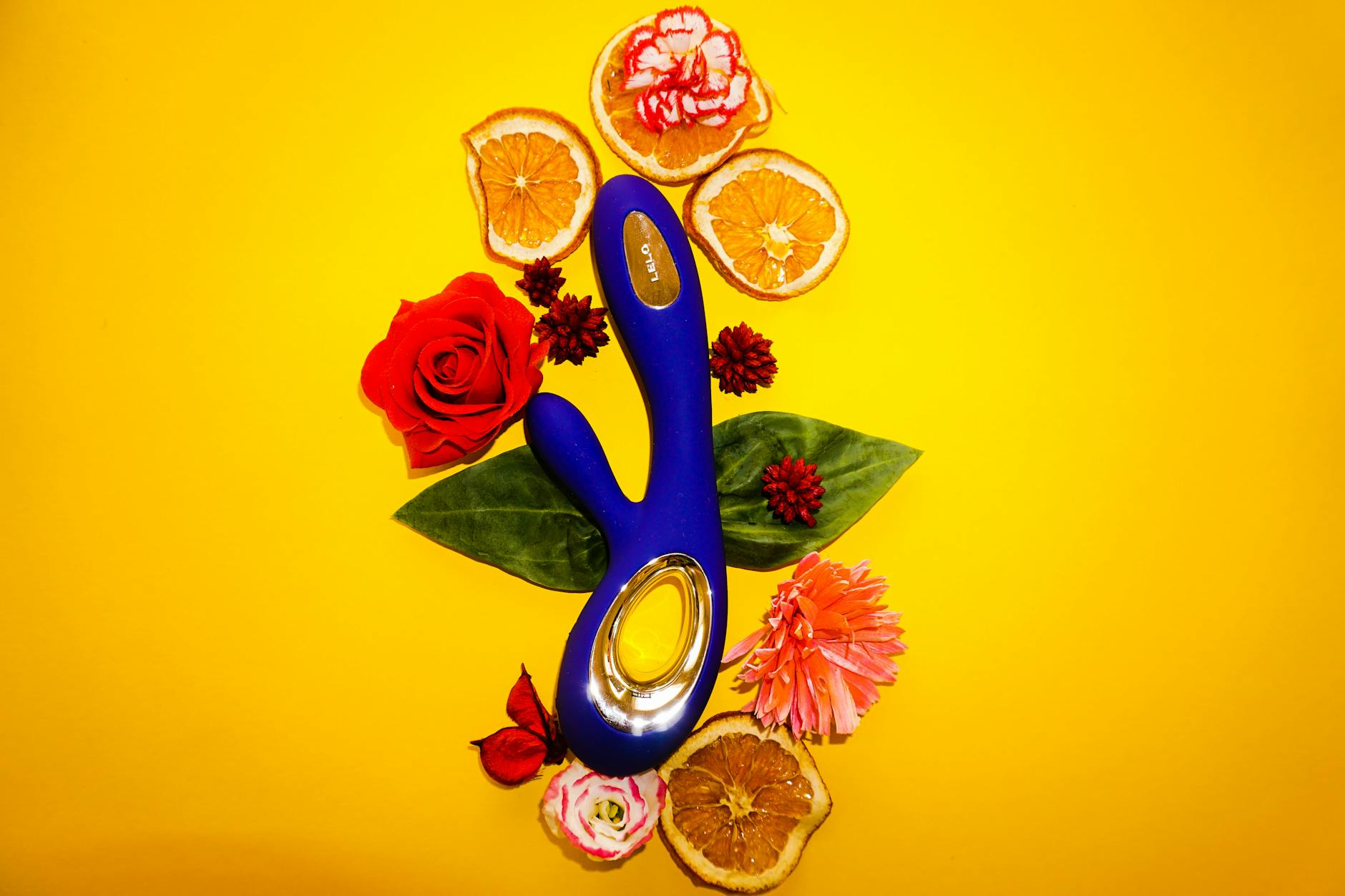
Here's what being single actually gives you
You have something partnered people are desperately trying to create. Space. Permission. Zero external agenda. When you're alone, nobody else's timeline, preference, or self-consciousness shapes the experience. That's not small.
Most people treat solo pleasure like a warm-up act before the real show. Quick, efficient, a way to release tension before bed. But if that's your whole practice, you're leaving the most interesting part untouched. A real pleasure routine—one you build solo—teaches your body what it actually wants, which makes everything better. With partners, with yourself, across your whole life.
Let me break down how to build one that sticks.
Why routine changes everything
Here's the counterintuitive part. Routine sounds boring. In practice, it's liberating. When you have a consistent time and space for pleasure, your body starts anticipating it. That anticipation becomes part of the experience. You're not starting from zero every time; you're building momentum.
Think of it like exercise. The people who get the most out of fitness aren't the ones doing random bursts of intensity. They're the ones showing up regularly, even when they don't feel like it, because the routine itself creates the desire. Pleasure works the same way.
A routine also removes decision fatigue. You know when you'll have this time. You know where. You know roughly what you'll use. That mental clarity frees up actual presence, which is where the good stuff lives.
Setting the foundation
Three basics before you even touch a lemon vibrator.
Time. Pick a slot that's genuinely yours. Not "whenever I remember," but a real calendar entry. Some people love mornings. Others prefer late evening. What matters is that it's consistent enough that your body learns to expect it. Three times a week is more reliable than sporadic daily use followed by two-week gaps.
Space. You need privacy, obviously, but also comfort. Temperature matters. Lighting matters. Some people want complete darkness; others want soft light. Your bed is fine, but so is the floor with pillows, the shower, or a chair by a window. The point is that it feels intentional, not stolen.
Tools. Lube is non-negotiable. Water-based if you're using a silicone lemon vibrator like the Lem, always. Keep it within arm's reach. Lotion or coconut oil are shortcuts that backfire; they degrade silicone and create residue. Real lube—it takes thirty seconds to apply and transforms the whole experience.
Building the actual routine
Here's what a sustainable solo practice looks like in stages.
The first five minutes. No vibrator yet. You're just touching yourself—your collarbone, ribs, inner thighs, everywhere except directly on your genitals. This is not foreplay to orgasm; it's information gathering. You're noticing where sensation feels good, where you're tense, what rhythm your body wants to find. Most people skip this entirely and jump straight to intensity. That's the mistake. This phase teaches your nervous system that this is a safe, exploratory space, not a performance.
Minutes five to fifteen. Hands still. Now you're paying attention to what turns you on mentally. Thought, memory, fantasy, audio—whatever works. Let your mind settle into something that feels genuinely appealing, not what you think you're supposed to want. This isn't about reaching an outcome yet. You're building arousal incrementally.
Minutes fifteen to twenty. Now the Lem comes in. If you have a lemon clitoral vibrator, start at the lowest pattern—usually pattern one or two. Apply lube generously. Use broad strokes or gentle circles, not direct pressure on the most sensitive part yet. The suction-based design of quality lemon vibrators means you can build sensation without friction that fatigues tissue. Let yourself stay at this level for several minutes. Most people rush this phase because they think intensity equals progress. Wrong. Intensity is for the end, not the beginning.
Minutes twenty onwards. Now you can graduate to higher patterns or more direct contact. But here's the key: you decide how long you stay at each level. Some sessions you'll orgasm in eight minutes. Others you'll build for thirty and decide you're satisfied without coming. Both are legitimate endings. When you stop treating orgasm as the only valid finish line, pleasure becomes sustainable.
The psychological architecture
Solo pleasure only works long-term if your mind is actually there. That sounds obvious. It's not.
Most people run a parallel process: they're stimulating their body while half-thinking about their to-do list, the Netflix show they're watching, or whether they're "doing it right." That internal monologue kills arousal faster than anything.
The practice that changes this is simple: during your routine, when your attention drifts (it will), notice it without judgment, then gently return to sensation. What does the vibration feel like? What's the texture of the lube? What's happening in your body right now? Not "should I be feeling more arousal," but actual observation.
Some people use a guided audio for this—a voice creating that mental container. Others use music, or silence. Experiment. The goal is a mind that's actually present, not one that's tracking performance.
What consistency actually builds
The first two weeks, you're establishing the habit. The first month, you're learning what patterns and pressure your body prefers. The third month, you're noticing texture changes—sometimes your clitoris feels more available, sometimes less. By six months, you've got a real map of your own pleasure.
That map matters. You know the difference between what feels intense and what feels good. You know whether you prefer suction-based stimulation like a lemon vibrator or direct vibration. You know how much warm-up your nervous system needs, and you can communicate that to a partner later if you want to. You've stopped guessing.
When people tell me they "don't know what they like," what I usually hear is they haven't given themselves consistent space to find out. Being single gives you that gift. Use it.
Keeping it alive
Even the best routine gets stale if you don't evolve it. You don't need to buy new devices every month, but you do need small variations.
Shift the time. Change the location. Use different lube textures. Try different mental content. Explore different vibration patterns on the lemon clitoral vibrator you already own. Introduce touch that's slower and lighter than usual.
These tweaks keep your nervous system engaged instead of numb. Numbness is the real enemy of solo pleasure, not lack of intensity. A lemon vibrator will always be there to provide sensation, but your job is to stay curious about it.
The partner transition
If being single is temporary for you, the routine you build now becomes your instruction manual later. You know what works. You're not discovering it with an audience. That confidence changes everything in partnered sex.
You also break the pattern of waiting for someone else to create pleasure. When you stop doing that, you become more magnetic. Less desperate, more intentional. Your own satisfaction is no longer someone else's job.
For now, though, the job is just you. Show up consistently, stay curious, and let routine do the invisible work. That's how you build a practice that genuinely lasts.
People also ask
How often should you use a lemon vibrator if you're building a solo routine?
Three to five times per week is the sweet spot for most people. Enough to create a real rhythm and let your body anticipate the experience, not so frequent that sensation dulls or it starts to feel like an obligation. Some weeks you might go daily; other weeks you might skip a few days. The goal is consistency over time, not perfection in any single week. If you notice numbness creeping in, pull back for a few days. Your sensitivity will rebound.
Can you use the same lemon vibrator for your entire routine, or do you need different tools?
One quality device is enough. The Lem, for example, has seven different patterns—that's seven different sensations without buying anything else. Most people don't need multiple vibrators to build a sustainable practice. What matters more is how you use the one you have: varying pressure, pattern, speed, and where you apply it. A single lemon sexual toy used with intention outperforms three devices used on autopilot.
What if you don't orgasm during your routine—is that a failure?
Not even close. Orgasm is one possible ending, not the only valid one. Some of the most satisfying solo sessions end without climax because the point was presence and sensation, not outcome. If you're always chasing orgasm, you miss the pleasure that happens along the way. That said, if you never come during solo time but want to, it usually means you need either more warm-up, less pressure on yourself, or a different stimulus pattern. Experiment with what the Lem can do before assuming something's wrong with you.
How do you keep a routine feeling fresh when you're the only person involved?
Small variables are your friend. Shift the time of day. Try different lube textures or temperatures. Use different visualization. Combine vibration with manual touch in new ways. Some people introduce light or sound. Others play with positioning. The point isn't that every session needs to be totally different, but that you're not running the exact same script every time. Your nervous system stays engaged when there's novelty, even subtle novelty.
Is solo pleasure routine the same as masturbation addiction?
Not at all. Addiction involves compulsion, shame, and using the behavior to escape difficult feelings. A pleasure routine involves intention, presence, and time boundaries you actually respect. If you're using a lemon vibrator to avoid emotion, that's worth looking at. If you're using it to connect with your body during scheduled time? That's health. The difference is agency and awareness, not frequency.
What if you want to use your lemon vibrator with a partner later—does solo practice change what you like?
Actually, yes, in the best way. When you know what works for you, you can advocate for it. You're not discovering pleasure with an audience; you're bringing expertise. That shifts the dynamic entirely. A partner appreciates knowing what actually gets you there instead of guessing. Solo practice isn't separate from partnered sex; it's the foundation that makes partnered sex better, because you're no longer relying on someone else to figure you out.
Building your own pleasure matters
Being single isn't a waiting room before "real" sex starts. It's a laboratory where you learn what your body actually wants. That information never goes away. Whether you stay single or partner up later, a consistent solo pleasure routine rewires how you relate to your own body. That's not small. That's everything.
If you want support designing a routine that fits your life, reach out. We can talk through the specifics of your schedule and preferences. The most sustainable practice is the one that actually works for you, not the one that sounds good in theory.
Get in touch if you want to talk through this.