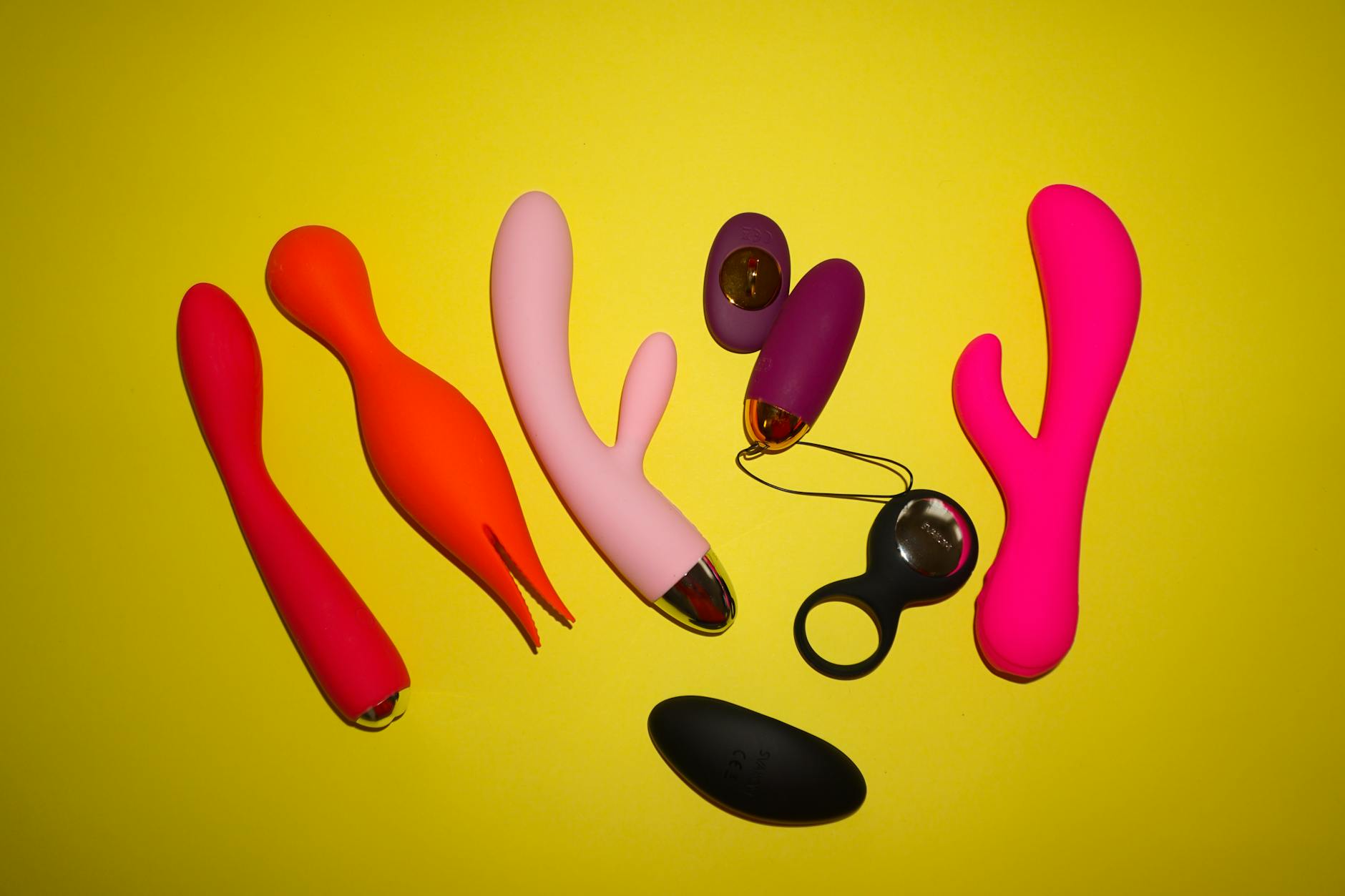
Let's talk about what "consistent" actually means
Most conversations about pleasure after 40 focus on whether orgasms still happen. The real conversation, the one nobody articulates clearly, is about reliability. At 25, your body might give you an orgasm whether you were focused or distracted. At 45, consistency becomes the variable. You want to know: will this work tonight? Can I count on it? And the answer is yes, but only if you understand what's shifted and how to work with it instead of against it.
Here's what changes and what doesn't.
Why orgasm frequency dips after 40
Three overlapping things happen simultaneously, and most people blame one when all three are operating.
First, the neurological pathway for arousal gets less efficient. Your brain still absolutely has the capacity to register pleasure. The signal just takes longer to travel and requires a clearer route. Think of it like the difference between an old laptop and a new one. Same programs, slightly slower load time.
Second, hormonal fluctuations become more pronounced in your 40s. If you haven't hit menopause yet, your cycle is probably more erratic. Estrogen and testosterone aren't as predictable as they were in your 20s, which means sensation and desire don't follow a neat 28-day rhythm anymore.
Third, and this is the part that nobody wants to admit, your attention is more divided. By 40, you've accumulated a decade or more of life load. Stress metabolizes into your body. If you spent your 30s absorbing emotional labor from relationships or work, your nervous system is running a different baseline. Your body is less responsive not because it's broken, but because part of your bandwidth is allocated elsewhere.
None of these are permanent. All three are addressable.
The consistency equation: tool plus reset plus permission
Orgasm after 40 requires three things working together. You can have two out of three and see inconsistent results. You need all three to see a real shift.
Tool. The right device eliminates friction, literally and metaphorically. Air-suction technology like the Lemon Clitoral Vibrator works particularly well because it doesn't require sustained direct pressure. You're not holding a specific angle or managing tension in your pelvic floor. The suction does that work for you. Your job becomes simpler: focus on sensation rather than mechanics.
Reset. Before you use any tool, your nervous system needs 10-15 minutes to shift out of alert mode. This isn't meditation or affirmations. It's tactile. Warm shower. Hand massage on your own shoulders and neck. A few minutes of deliberate breathing where you exhale longer than you inhale. Your body needs permission to downshift. Without this reset, even the best clitoral vibrator is working against your sympathetic nervous system.
Permission. This is the part that actually determines consistency. Permission means you've decided that this matters as much as sleep or food. Not more. As much. You've blocked time. You've told yourself "this is non-negotiable," the same way you'd protect a medical appointment. It sounds small. It is not. Most people over 40 haven't prioritized their own pleasure in years. The lack of permission isn't about shame anymore. It's about logistics and habit. You have to actively choose to reroute bandwidth toward this.
When all three align, consistency becomes automatic.
How to use a lemon vibrator for reliable results
Here's the practical setup.
Start with your environment. Temperature matters more than you think. Cold bodies take longer to warm. Aim for a room at 72°F or warmer. Clothes off at least 10 minutes before you start, not immediately before. Your skin needs to warm naturally.
Begin your reset. Five minutes of hot water on your shoulders. Five minutes of breathing. Then use the vibrator.
Start on pattern 1 or 2, not the highest intensity. Your nervous system is re-learning trust. High intensity too soon triggers defensive responses. You want your body to become familiar with the sensation before you ask it to escalate. Spend 2-3 minutes on a lower pattern, even if it feels like you're ready for more. You're not chasing the orgasm. You're building a feedback loop.
If you're using the lemon clitoral vibrator, angle it so the air-suction cup covers your entire clitoris, not just the tip. The entire external structure is sensitive. You're not trying to isolate one point. You're creating a seal that distributes pressure evenly. This is different from using a wand vibrator, where you're often managing contact pressure intentionally.
Keep your breathing steady. The moment you hold your breath, your pelvic floor tenses. Tension blocks sensation and delays orgasm. Inhale for 4 counts, exhale for 5 or 6. Your body will naturally shift as you approach climax. Let it.
If you don't reach orgasm in 15-20 minutes, stop. This isn't failure. You've just communicated to your nervous system that this is a safe, low-pressure experience. You're building the consistency bank. Consistency isn't about batting 1000 on the first try. It's about establishing a pattern where success becomes more frequent over repeated attempts.
The partner dimension
If you share intimacy with a partner, the consistency equation gets one additional variable: communication about what consistency means.
Many people over 40 are in long-term relationships where sex has become predictable or obligatory. Adding a lemon vibrator into that dynamic shifts things, but only if your partner understands what you're actually doing. You're not replacing them. You're not saying "I need this because you're not enough." You're saying "I want reliable pleasure and this tool makes that possible."
The best approach: introduce the vibrator when you're alone first. Spend a few weeks building your own consistency. Then, when you're ready to involve your partner, frame it as "I've figured out what my body needs, and I want to share this with you." That's radically different from "I need to buy something because things aren't working."
When a partner is present, the lemon clitoral vibrator lets them stay actively involved. They can hold it, adjust intensity, create a rhythm. Or they can watch and let you navigate it alone while they engage in other ways. The tool is flexible. The conversation isn't. You have to have it.
Why consistency matters more than intensity
Pleasure after 40 often looks less explosive than it did at 25. Orgasms might be shorter, quieter, more internal. Lots of people interpret this as diminishment. It's not.
Consistency is actually more valuable than intensity because it rebuilds trust in your own body. At 25, your body betrayed you occasionally and you shrugged. At 45, after decades of either restricting pleasure or experiencing inconsistency, your body has learned to be cautious. When you reliably experience orgasm, that cautious response softens. Over time, once your nervous system has proof that pleasure is regular and safe, intensity often increases naturally. But consistency comes first.
A lemon vibrator accelerates that proof because it removes the variables that create frustration. No position strain. No managing a partner's pace. No wondering if tonight is a "yes" night. You know what you're working with.
When to troubleshoot
If you're using a clitoral vibrator regularly and not seeing an increase in frequency after 4-6 weeks, something else is likely present.
Check your baseline stress. Are you sleeping poorly, working long hours, managing someone else's crisis? Consistent pleasure requires parasympathetic activation, which is basically impossible when you're running on cortisol. Address sleep and workload before blaming the tool.
Check medications. Certain antidepressants and blood pressure drugs genuinely do suppress orgasmic response. If you started medication recently, that might be it. Talk to your prescriber about timing or alternatives.
Check your communication around sex if you have a partner. If there's resentment, even low-level, your body knows. The vibrator won't fix relational friction. That requires conversation.
If none of those apply and you're still inconsistent after 6-8 weeks, see a pelvic floor physical therapist. Sometimes the issue is tension you can't address alone. A few sessions can genuinely change the game.
Building the habit
Consistency is actually a habit, not a trait. You build it the same way you build any habit: regular repetition in the same context.
Pick a time of day and a location. Sunday morning, your bedroom, 20 minutes. Friday evening, a long bath, 25 minutes. The specificity matters more than the frequency. Your body learns "this is the context where I practice pleasure." Over time, that context becomes a trigger. Your nervous system begins preparing the moment you enter that space or time.
For most people, 2-3 times per week is enough to establish consistency within 6-8 weeks. Some people prefer daily practice, especially if they're rebuilding after a long drought. There's no correct frequency. There's only what your body responds to.
The lemon clitoral vibrator fits into this habit beautifully because there's no setup drama. No partner negotiation on nights you're alone. No cleanup logistics that make it feel like more trouble than it's worth. It's a straightforward tool that you can integrate into whatever rhythm works for your actual life.
People also ask
Can you use a lemon vibrator every day over 40?
Yes, and many people do. Daily use doesn't wear out your body or numb sensation the way some people worry. If anything, consistent daily practice often builds sensitivity over time because your nervous system isn't cycling into protective mode. That said, if daily use starts to feel obligatory or pressured, scale back. Pleasure stops being pleasure the moment it becomes another item on your to-do list.
Why do orgasms feel different after 40?
Orgasms after 40 typically involve less intense muscular contractions and sometimes shorter duration, partly because the pelvic floor muscles naturally lose some tone without specific practice. Neurologically, the sensation might feel more localized or internal rather than full-body. This isn't worse. It's different. Many people report that once they stop expecting the same intensity as their younger self, they actually enjoy the quality more because they're present for it instead of chasing a specific feeling.
How long does it take to see consistent results with a lemon vibrator?
Most people see a noticeable shift in frequency within 3-4 weeks of consistent use. Full habit establishment, where you're reaching orgasm reliably without much mental effort, typically takes 6-8 weeks. The timeline depends on your baseline stress, sleep quality, and how long it's been since you prioritized your own pleasure. If you're rebuilding after years of inconsistency, give yourself permission for the longer timeline.
Does using a lemon sexual toy make orgasms harder to achieve without one?
No, though some people worry about this. Air-suction technology doesn't create dependency because you're not training your body to respond to a specific sensation that only the vibrator can deliver. You're training your nervous system to access pleasure. Once that access is established, you can achieve orgasm in multiple ways. The vibrator is just the most efficient teacher.
Should you tell your partner you're using a lemon clitoral vibrator?
If you're in a relationship where you're intimate regularly, yes. Not as confession or apology. As information. "I've been using this tool and it's helping me understand my body better" is a straightforward fact. If your partner responds negatively, that's information too, and it might point to something that needs conversation beyond just the vibrator. Partners who feel threatened by your solo pleasure often have deeper concerns about intimacy or control that the vibrator didn't create but might expose.
What's the difference between a lemon vibrator and other clitoral vibrators for women over 40?
The lemon clitoral vibrator uses air-suction technology, which means it creates gentle pressure waves rather than direct vibration. For bodies after 40, especially if you have sensitivity or less lubrication, suction tends to feel more comfortable and requires less direct contact pressure. Other vibrators, including wands or bullet vibrators, rely on sustained contact and vibration frequency, which can feel more intense or require more precise positioning. It's not that one is objectively better. It's that suction works particularly well for the consistency issue because the mechanism itself is more forgiving.
The real shift
Orgasm after 40 isn't about recapturing what you had at 25. It's about understanding what your body actually needs now and building the conditions for that to happen reliably. A lemon vibrator is one part of that equation. The reset, the permission, the environmental setup, the communication with your partner if you have one, the attention to stress and sleep these matter as much as the tool itself.
When all of those elements align, consistency stops being a hope and starts being your baseline. That's worth the small effort it takes to set up.