
Let's name what's actually happening
Relationship drift is not a fight. It's not infidelity or betrayal or a sudden loss of love. It's something quieter and, honestly, more insidious. You wake up one day and realize you haven't touched your partner in months. Not sex. Touch. Your hand on their shoulder. A kiss that lingers. The kind of physical attention that says "I still want you."
Drift happens to good couples. Busy careers, kids, aging parents, the simple friction of daily life squeezes out intimacy. And then one morning you're lying next to someone you love and you feel completely alone. That's when most people panic and assume the relationship is broken. It's not. It just needs to be remembered.
Why reconnection after drift is actually harder than you think
Here's what I see in my therapy practice: couples think they can jump straight back into sex. They set a date, light a candle, and expect desire to show up on schedule. It almost never works that way. After months or years of emotional distance, your nervous system doesn't trust your partner's touch anymore. You've learned to move through the world solo, even when they're in the same room.
The body has a memory. Not just the good kind. It remembers when touch was safe and when it felt obligatory. After drift, even gentle touch can feel weird or uncomfortable because you're relearning your partner's body and your own responsiveness simultaneously.
That's where a lemon vibrator changes the game. Not because it's magic. But because it lets you both show up without the pressure of penetration or the performance anxiety of "making it work" right away. It's a tool that says: I want to feel good, and I want to feel good with you. Those are different conversations than "We should have sex."
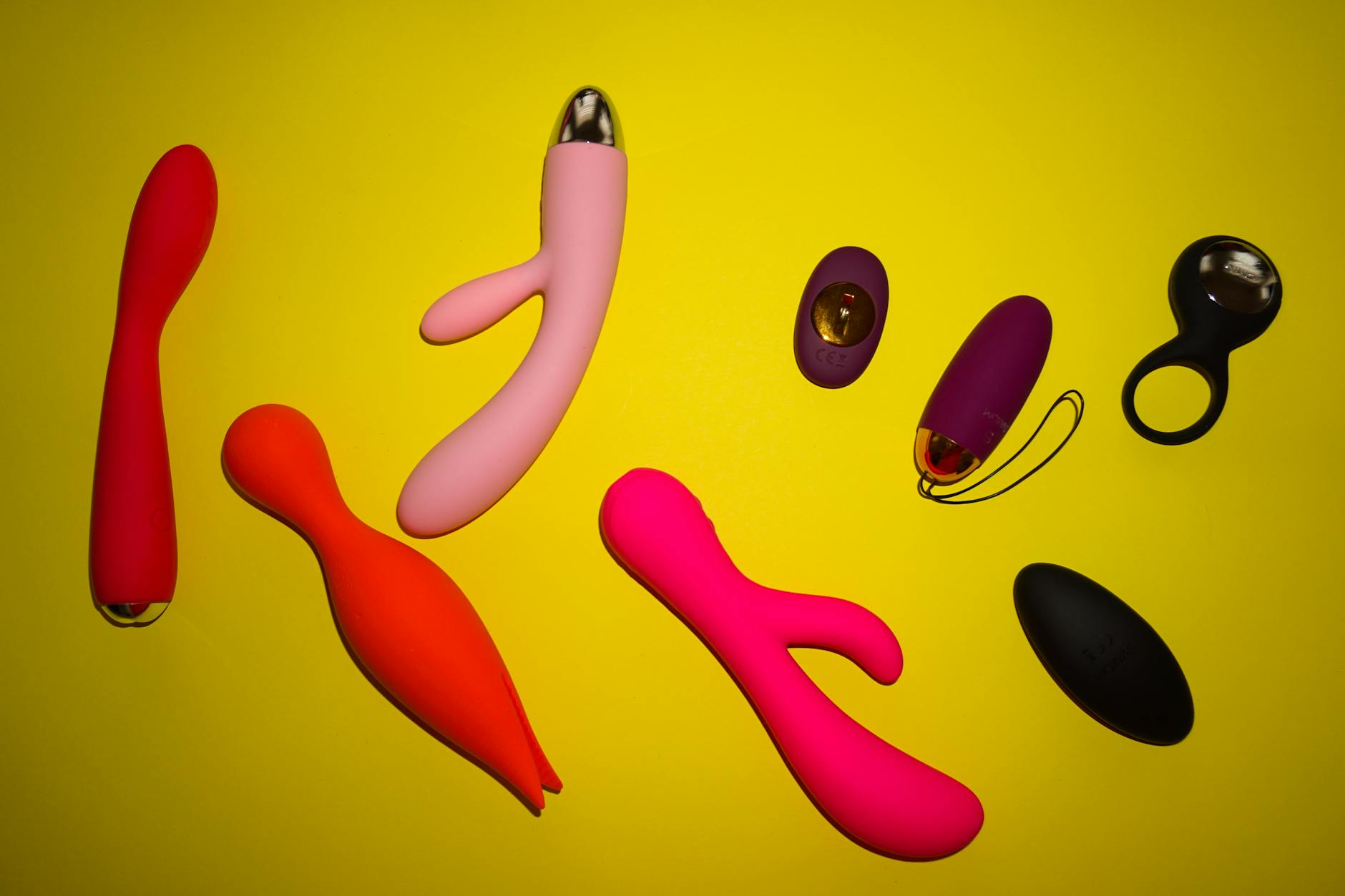
Photo by FounderTips on Pexels
The conversation before any lemon vibrator comes out
This is the critical part. If you skip it, everything else falls flat.
You need to say something like: "I miss you. I miss us. I don't want to jump into sex and have it feel forced. I want to remember what it feels like to be close to you without pressure."
Then: "I want to use a vibrator together. Not instead of you. With you. So I can show you what turns me on, and so you can see me enjoying it."
If your partner pushes back, listen to why. Common objections: "Will I not be enough?" (Answer: No, this makes you more involved, not less.) "Does this mean something's wrong?" (Answer: Something was missing. This fixes it.) "I don't know how to help." (Answer: You'll learn by watching and asking.)
The conversation itself is the reconnection. You're naming what's been unsaid. You're making yourself vulnerable. You're asking for what you actually need instead of hoping they'll guess.
How to actually start: the first time with a lemon vibrator after drift
Clear your schedule. Not a quickie. Not "we have 20 minutes before the kids wake up." A real block of time where you both feel unhurried.
Set the room: soft light, no phones, maybe music if you like it. Not because you need to be romantic in a Pinterest way. Because removing distractions tells your nervous system this matters.
Start clothed. Yes, really. Let your partner hold the lemon vibrator first. Let them feel how it works. Let them see what it does without any pressure on you to be aroused or perform. This is information gathering. This is your partner learning your pleasure preferences without stakes.
Then, when you're ready, guide them. Say: "I like it here" or "Slower" or "A little to the left." Use your voice. This is vulnerable. It's also essential. You're teaching them your body's language after drift has made it feel like a foreign country.
The first time, you might not orgasm. That's completely fine. The goal is reconnection, not conquest. You're remembering what it feels like to be seen while experiencing pleasure. You're rebuilding trust that your partner can handle your body and your desires without judgment.
The patterns that rebuild after drift
Once you've broken the ice with a lemon vibrator, things shift.
You start asking for what you want. When someone uses a device on you, you have to direct them. You can't hide. This habit—speaking up about pleasure—spills into other parts of your relationship. Suddenly you're asking for what you want at dinner, too. In conversation. In how you spend weekends.
Your partner learns your body. Not just the technical "this button does this." But the deeper stuff. How you breathe when you're aroused. Where your attention goes. What makes you laugh during intimacy. What makes you serious. This is knowledge that makes all future touch better.
You both get permission to enjoy the process. Sex after drift often feels like a chore that has to be checked off. A vibrator removes that pressure. You can explore. You can laugh. You can take breaks and talk. You can start and stop and start again. None of that feels like failure; it feels like play.
Touch returns to your daily life. This is the quiet miracle. Once you've reminded your bodies that pleasure together is possible, casual touch comes back. A hand on the back when you're cooking. A kiss when you leave for work. These aren't foreplay. They're proof that you're still a couple.
Common friction points and how to handle them
"It doesn't feel like real sex." Right. It's not. It's something else. And something else might be exactly what you need to rebuild before you're ready for sex again. Let yourself want this intermediate step.
"I feel awkward watching you." That's normal. You're doing something vulnerable. Stay in that awkwardness for a minute. It usually passes. If it doesn't, talk about it. "What would make this feel less weird?" Maybe lower light. Maybe you're both clothed. Maybe you focus on what you're feeling instead of how you look.
"I don't know if I can orgasm with them there." Totally possible. After drift, your nervous system might need a minute to trust again. Use the lemon vibrator together, and if you don't come, that's data, not failure. Come back to it tomorrow. The second time is usually easier.
"They took it over and it's now all about my pleasure." This is actually a good sign. Your partner is invested. Gently redirect. "I want you to be part of this, not just watch." Bring them back in. Their hands on you. Their voice. Their presence.
Why a lemon clitoral vibrator specifically works for reconnection
A lemon vibrator is designed to do one thing really well: create consistent, concentrated sensation on the clitoris. It's not penetrative. It's not performance pressure. It's information. Direct, clear, unarguable information about what feels good.
For couples rebuilding after drift, that clarity is everything. You're not trying to guess if something is working. You're not performing for your partner. You're just experiencing sensation and learning to say what you want.
The suction-style technology also means there's less friction required. If your body has been tense from emotional distance, that matters. You can relax into it. You can build arousal at your own pace.
After reconnection: what changes
Once you've used a lemon vibrator together and felt the shift, sex itself gets easier. You've proven to your bodies that pleasure together is possible. You've practiced communication. You've reminded yourself why you wanted to be close to this person in the first place.
Some couples find they want the vibrator every time. Others use it as a bridge and then move into other things. There's no wrong path. What matters is that you're making decisions together instead of drifting in silence.
Relationship drift doesn't mean your relationship is ending. It means it's ready for something new. A new way of touching. A new conversation about what you both want. A new commitment to not taking each other for granted.
People also ask
How do I bring up using a vibrator with my partner after we've drifted apart?
Start with honesty, not a vibrator. "I miss being close to you. I miss us. I want to find a way back that doesn't feel forced." Then, once you've named the drift, you can introduce a tool. "I've been reading about couples using vibrators during reconnection, and I think it might help us remember what turns each other on." Make it about curiosity and desire, not a criticism of your partner.
What if my partner thinks a vibrator means I'm not attracted to them anymore?
This is the most common fear, and it's worth addressing head-on. Say: "I'm attracted to you. I want to feel good with you. This isn't about you being replaced. It's about me showing you what I like so you know how to touch me." If they're still worried, use the vibrator together on them first. That usually shifts the conversation from "Is this a replacement?" to "Oh, this is actually kind of hot."
Can we use a lemon vibrator if we haven't had sex in years?
Yes. In fact, it might be the gentlest way to restart. There's no pressure to perform penetration or orgasm. You're just exploring sensation together. That's lower stakes and often feels more intimate than jumping straight back into full sex. Start here, and other things follow naturally.
How often should we use a vibrator to rebuild after drift?
Less is more. Once or twice a week is enough to rebuild the habit of pleasure together. If you go too often, it can start to feel like a chore again. You want it to stay something you both want, not something you have to do.
Is it normal to feel awkward the first time we use a vibrator together?
Completely. You're both vulnerable. You're trying something new. You might laugh. You might freeze up. All of that is normal. The awkwardness usually passes by the second or third time. What matters is that you're both showing up willing to try.
What if we try and it doesn't fix the drift?
A vibrator isn't a magic fix for relationship problems. If the drift goes deeper than physical intimacy—if there's resentment or poor communication or unresolved conflict—those things need to be addressed directly, ideally with a couples therapist. A vibrator is a tool for rebuilding connection, not for replacing conversation and commitment. If your drift has roots in bigger issues, get support. A therapist can help you figure out what's really going on.
The path forward
Relationship drift is real and it's painful, but it's also fixable. You don't need a complete overhaul or a dramatic romance gesture. You need to remember that your partner's body and your own pleasure matter. You need to practice asking for what you want and listening when your partner asks for the same.
A lemon vibrator is one tool for remembering. It's a way of saying: I'm still interested. I still want you. I want to feel good, and I want to feel good with you. That's the conversation that rebuilds a drifted relationship. Everything else follows from there.
If you're ready to start, reach out to your partner. Have the conversation. See where it goes. You might be surprised at how quickly things shift when someone finally says what's been unsaid.
Have questions or want support navigating this? Get in touch with us.