Let's be real about grief and desire
Grief kills arousal. Not metaphorically. Literally. When you're grieving, your nervous system is in a state of hypervigilance or collapse. Your body is conserving energy for survival. Pleasure isn't survival. So pleasure gets shelved. And then you feel guilty for not feeling sexy, which makes everything worse.
Here's what I want you to know: that shutdown isn't broken. It's your body being smart.
What changes after grief is not your capacity for pleasure. It's your access to it. Your nervous system has to feel safe again before arousal can return. And that's where gently, intentionally reconnecting with physical sensation comes in. Not performance. Not obligation. Just returning home to your body.
The nervous system piece nobody mentions
When someone dies or you experience profound loss, your vagus nerve (the main highway of your parasympathetic nervous system) goes offline. You're stuck in fight, flight, freeze, or fawn mode. Your clitoris doesn't respond the way it used to. Lubrication doesn't show up. Arousal feels distant or impossible.
You're not damaged. Your nervous system is protecting you.
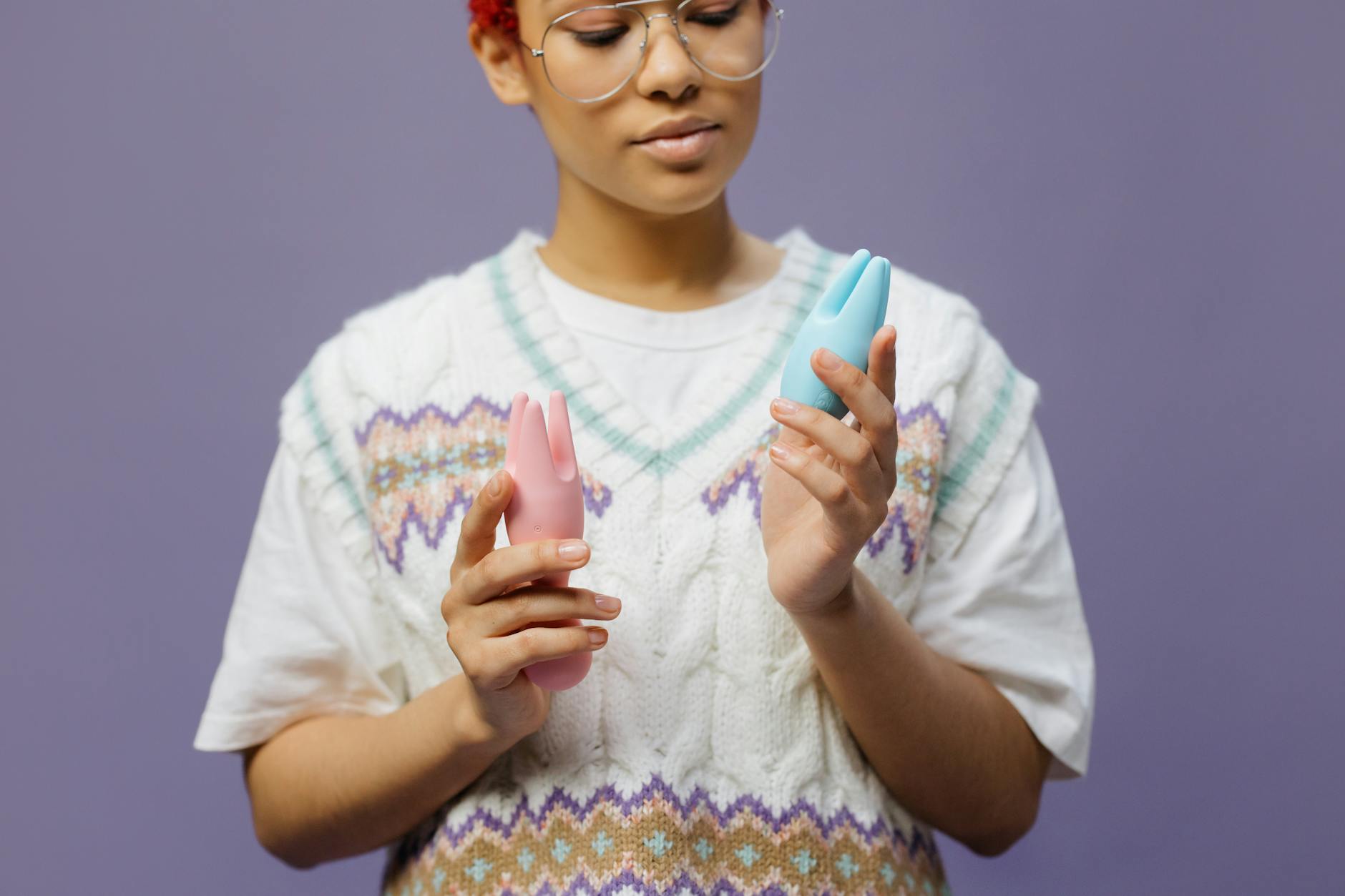
The way back isn't forcing pleasure. It's slowly, consistently sending your body the message that it's safe again. That's where a clitoral vibrator like the Lem comes in. Not as a performance tool, but as a gentle nervous system regulation device.
Air-suction stimulation (the way lemon clitoral vibrators work) is different from traditional vibration. It's less intense, less demanding, and it can feel more like permission than pressure. For someone whose arousal has been locked down by grief, that distinction matters.
Start with sensation, not goal
When you're ready to try, the first session shouldn't aim for orgasm. That's adding a performance metric to a grief process, which defeats the point.
Instead, try this.
Pick a time when you're not raw. Not the day after an anniversary of loss. Not when you're actively crying. Pick a moment when you feel marginally okay. When you can sit alone for 30 minutes without expecting an emergency call.
Start clothed. Hold your lemon vibrator. Feel its weight. Its shape. Its temperature. Just that. For five minutes, let your nervous system register: this is safe. This is here. This is mine.
Then, if it feels right, move it over the outside of your underwear or pants. Still no pressure to feel anything. The goal is sensation without expectation.
Many of my clients report that the first few times, they don't feel aroused at all. They feel something smaller and quieter. A tiny spark. A moment where their body doesn't feel completely numb. That's success. That's the nervous system saying: okay, it's safe enough to wake up a little.
The role of gentleness in arousal recovery
Grief makes you sensitive to intensity. A vibrator set to high might feel assaultive rather than pleasurable. So start low. The Lem has multiple settings. Start at pattern one or two.
Gentleness also means no agenda. On some days, your body will respond. On others, it won't. Both are fine. You're not trying to fix yourself. You're trying to remind yourself that pleasure still exists, and that your body still knows how to feel.
What also helps: talking to your body. Not out loud if that feels weird. Internally. "I'm here. I'm not going anywhere. We can go slow." Sounds soft, but it works. Grief often includes a rupture in the relationship with your own body. You need to rebuild that relationship. Words help.
When to involve a partner (and when not to)
If you're in a relationship, you might feel pressure to return to partnered sexuality as a sign of healing. Don't do that on anyone else's timeline.
Here's what works: solo exploration first. Weeks of it, if necessary. Let your nervous system feel safe with your own touch and your own tools. Once you've reconnected with your body alone, you can invite your partner in.
When you do, you'll need to tell them something like this: "I'm starting to feel okay again. But I need to go slowly. I need permission to stop anytime. I need you to check in with me, not just assume I'm ready." A good partner will welcome the clarity.
If you want to explore with a partner present, a lemon clitoral vibrator is actually easier to manage than penetrative tools. It doesn't require a lot of negotiation or physical vulnerability. It's something you can control. That control matters when you're rebuilding.
The timeline is not what you think
There's no deadline for arousal to return. If you're four months into grief and still feel numb, that's normal. If it's a year, that's also normal. Grief doesn't follow a calendar.
What does help is consistency. Not pressure. Not "I must masturbate three times a week." But gentle, repeated experiences with sensation. Maybe twice a week, maybe every couple of weeks. The idea is that your body learns, slowly, that pleasure is available again.
Some clients reconnect in weeks. Others take months. The people who move fastest aren't the ones pushing hardest. They're the ones who show up gently, repeatedly, without judgment.
What actually signals you're ready to move beyond solo
You're ready when pleasure starts to feel like something you want rather than something you're supposed to want.
When your body initiates. When you catch yourself thinking about sensation outside of scheduled session time. When you can touch yourself without immediately thinking about the person you lost. When arousal feels like joy rather than a performance metric.
You don't need to "get over" grief to access pleasure. You need your nervous system to feel safe enough to remember that pleasure exists. Those are different timelines.
Rebuilding arousal after grief is not about forcing pleasure. It's about inviting your body back into the room.
A small note on guilt
Maybe you feel guilty for wanting to feel good. Like pleasure is disrespectful to the person you lost. It isn't. Pleasure is proof that you're still alive. It's your body saying: I survived. I'm coming back. That's not disloyal. It's healing.
FAQ: Rebuilding arousal after grief
How long after a loss should I wait before trying a lemon vibrator again?
There's no magic number. Some people need weeks. Others need months or longer. The question isn't "when should I?" but "when do I want to?" If you're forcing it because you think you should, wait longer. If you feel a genuine spark of curiosity, that's permission to start exploring gently.
Does grief affect everyone's arousal the same way?
No. Some people experience numbness. Others get weird spikes of intense desire (grief does strange things to the nervous system). Some swing between the two. There's no "right" way grief affects sexuality. Your experience is yours.
Can using a lemon vibrator help my nervous system feel safer after loss?
Yes, but not as magic. The vibrator is a tool that gives your nervous system permission to wake up slowly. The real work is showing up consistently, without judgment, and letting your body regulate at its own pace. The vibrator is the conversation. Your nervous system's response is what matters.
What if I try and still feel completely numb?
That's a sign you might need more time, or that your nervous system needs different support. Consider working with a grief therapist alongside any physical exploration. Grief that includes complete numbness sometimes needs clinical support, not just a sex toy. Both can be true.
Should I tell my partner I'm starting to reconnect with pleasure?
Yes, eventually. Not immediately before trying. But once you've had a few solo sessions and you know what you want, telling your partner ("I'm starting to feel ready, and I'm doing this slowly") sets a compassionate, honest foundation. Partners respect clarity.
Is it normal to feel emotional while using a lemon vibrator after loss?
Completely normal. Your body holds grief. When you start waking up arousal, grief sometimes gets activated too. You might cry. That's not a sign to stop. It's evidence that reconnection is happening. Let yourself feel what comes up. Your body knows what it needs.
Coming back to your body
Grief is a full-body experience. So is healing from it. A lemon clitoral vibrator isn't a cure for loss. But it can be a gentle, patient way of telling your nervous system that it's safe to feel good again. And that matters.
If you're ready to explore and you'd like more support around the emotional side of reconnection, reach out to me at /contact. I work with people rebuilding intimacy and pleasure after profound loss.