Let's name what happened
A health scare changes how you live in your body. Whether it was surgery, illness, medication side effects, or a diagnosis that landed sideways, your nervous system got the message that something wasn't safe. And pleasure, weirdly, is one of the first casualties. Your brain is still in threat mode. Your body doesn't know the crisis has passed.
This isn't drama. This is neurology. Your nervous system needs evidence that you're okay again. And the way you rebuild that evidence isn't through willpower. It's through slow, chosen, gentle touch.
Why lemon vibrators are different for this work
Most vibrators are built for speed and intensity. They're designed to override hesitation, to push you toward climax. When you're rebuilding trust in your body, that's the opposite of what you need. You need something that lets you stay in control. Something that rewards slowing down instead of speeding up.
Lemon clitoral vibrators like the Lem work differently. The suction pattern creates steady, gentle stimulation that feels more like pressure and release than the aggressive buzzing of traditional wand vibrators. There's no numbing feeling. No escalation trap where you're chasing intensity just to feel anything.
For someone coming back from a health scare, this matters. You're not trying to prove your body still works. You're trying to feel safe in it again.
The first week is just exploration
Forget orgasm. That's not the goal right now. The goal is data collection. Your body has changed, or your relationship to it has, or both. You need to know what that looks like.
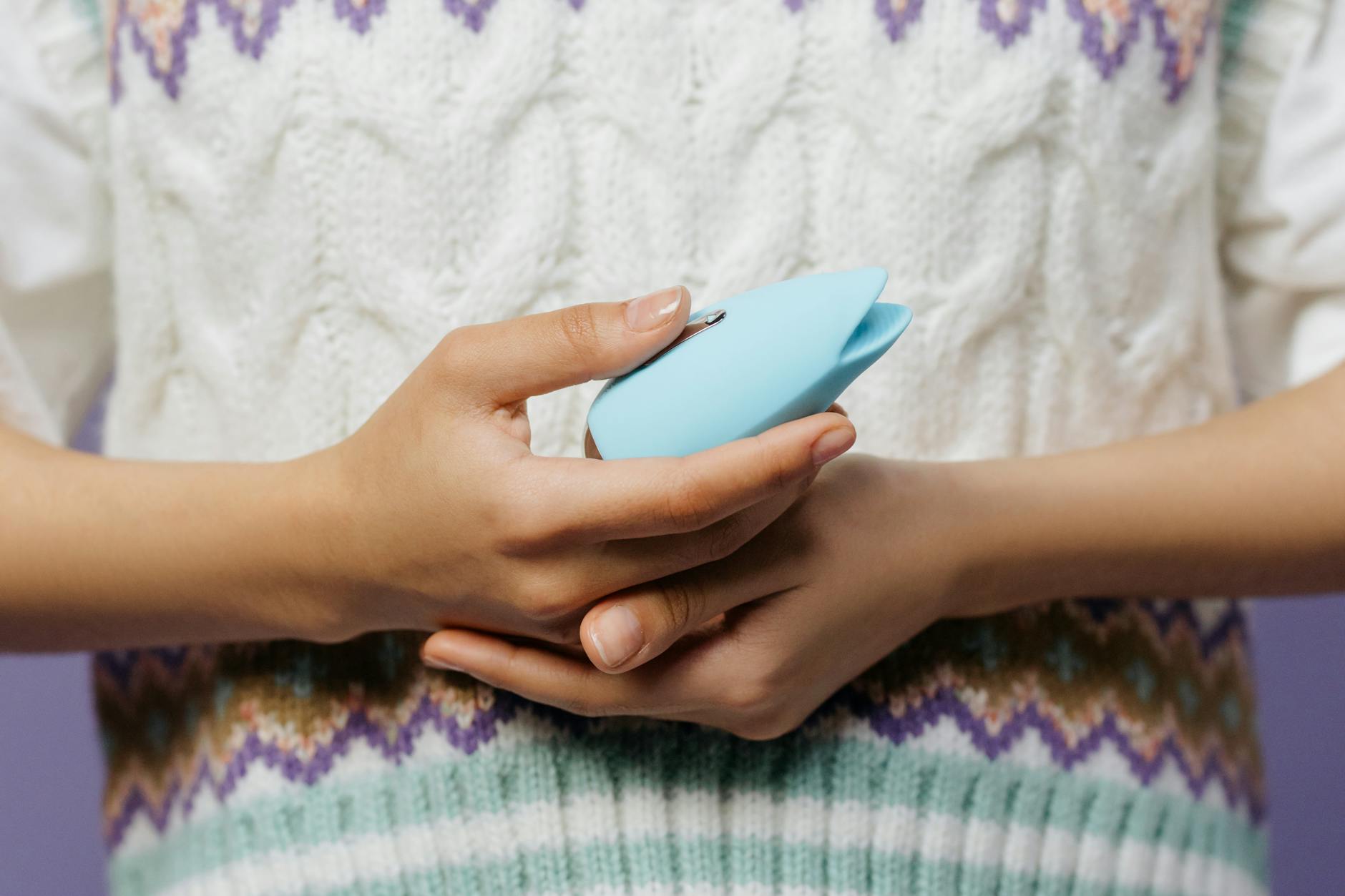
Start with the toy in your hand, not against your body. Hold it. Feel its weight. Feel the material. Notice if touching it brings up anything. Not metaphorically. Just tactile information. Is it warm or cool? Does the silicone feel like something you want near you?
Then spend two or three sessions just holding it near your skin without turning it on. On your inner arm. Your neck. Your thigh. Your body is learning that this object doesn't hurt. That you control when and where it touches you.
When you do turn it on for the first time, use the lowest setting. Pattern 1 on most lemon clitoral vibrators. Apply it to your arm or your inner thigh. Not your clitoris yet. Let your nervous system adjust to the sensation without the pressure of performing pleasure.
Building back to touch
Once your body has settled around the vibrator existing and humming, you can move it closer. Still the lowest setting. Still no expectation of arousal.
Massage the outer labia. The mons pubis. The crease between thigh and vulva. These are sensitive areas, but they're less charged than direct clitoral touch. You're teaching your body that sensation is coming back, and you're calling the shots.
Most people who've had a health scare find that they either feel nothing for a while, or everything feels too intense. Both are normal. If you feel nothing, don't push for sensation. Increase the time instead. Spend 10 minutes with the vibrator on a low setting, no pressure to climax. Your sensation will return as your nervous system relaxes.
If everything feels too intense, stay with Pattern 1. Use it for shorter periods. Two or three minutes, then stop. Let your body integrate the sensation. Next session, maybe three or four minutes. You're titrating your way back in.
When you're ready for direct contact
This might take a week. It might take three weeks. There's no timeline. You know it's time when you're curious instead of anxious. When your breath is even instead of held.
Start with the hood of the clitoris instead of the head itself. Most people find this feels less overwhelming after a break. The sensation is still pleasurable, but it's muffled in a way that feels safer. You can hover the lemon vibrator just over the tissue, letting the suction do the work from a distance.
If direct contact feels good, keep going. If it's too much, stay with the hood for another session or two. Or move back to the surrounding tissue. Your body will tell you what it needs. The whole point is that you're listening this time.
The mental game is bigger than the physical one
Here's what I see in my practice: people coming back from health scares get stuck because they're fighting their own mind. You feel something pleasurable and immediately think, "Is this okay? Should I be doing this? What if it makes something worse?" And boom. Anxiety kills arousal faster than anything.
This is where intention comes in. Before you touch yourself, name what you're doing. "I am choosing to rebuild trust in my body. My doctor said this is safe. I'm checking in with my own experience." Short, grounded, true.
Then, if anxiety shows up during, pause. Don't push through. Your nervous system is trying to protect you. Thank it. Let your heart rate come down. Then decide if you want to keep going, or if today is a day for just holding the toy and breathing.
There's no failure mode here. You're either gathering data or practicing self-compassion. Both are the work.
What a realistic timeline looks like
I typically recommend four to six weeks of this kind of gradual reconnection. By week two, most people can comfortably spend 15 minutes with the vibrator without anxiety spiking. By week four, they're starting to feel arousal, not just sensation. By week six, orgasm might come back, or it might not yet. But the fear is usually gone.
The key is consistency without pressure. Once a day, or every other day. Low patterns. No rushing. You're rewiring your nervous system's response to pleasure, and that takes repetition and safety.
If you're working with a partner, tell them what you're doing. Not the details unless you want to share them. But something like: "I'm doing some solo work to rebuild my confidence. I'll let you know when I'm ready to reconnect." Partners who care about you want you to feel safe. They don't need access to every step.
When to reach out for more support
If after six weeks you're still feeling only anxiety or numbness, or if pain shows up where there wasn't pain before, talk to your doctor. Some health scares leave lingering physical effects that need clinical attention. That's not failure. That's information.
If the anxiety around your body is bigger than just around pleasure, a therapist who specializes in health trauma or somatic work can help. When sex feels disconnected from your body is a common response to health scares, and it's incredibly treatable.
Your body isn't broken. Your nervous system is doing exactly what it's supposed to do. Which means it can learn something different too.
FAQ: Getting Back to Pleasure After Health Challenges
How long should I wait after surgery before using any vibrator?
That depends entirely on the surgery. If it was gynecological, your doctor will give you a clearance timeline, usually four to six weeks. If it was unrelated to your reproductive health, you can start with gentle external touch much sooner. The rule: ask your doctor first, then trust your own body's signals. Pain means stop. Anxiety means slow down.
What if I still can't feel pleasure after weeks of trying?
Sensation takes longer to come back sometimes, especially after trauma or significant illness. Two things help: longer sessions with lower intensity (15 to 20 minutes on Pattern 1), and consistency. Your nervous system needs repeated evidence that pleasure is safe. But if numbness persists past eight weeks, talk to your doctor. Medication side effects, hormonal shifts, or lingering physical effects might need clinical support.
Can I use a lemon clitoral vibrator if I have medical implants or devices?
Almost certainly yes, but check the fine print. Silicone vibrators are generally compatible with most implants because they don't generate significant electromagnetic interference. If you have a pacemaker or deep brain stimulator, verify with the manufacturer that the specific vibrator is safe. When in doubt, ask your cardiologist or surgeon. They've heard this question before.
Is it normal to feel emotional during solo pleasure after a health scare?
Completely. You're reconnecting with a part of yourself that felt threatened. Relief, grief, anger, or joy can all come up. None of it means something's wrong. Let the emotion move through. Cry if you need to. Pause if it's overwhelming. Your body is processing. That's the work.
What if anxiety comes back even after I'm feeling pleasure again?
It probably will, sometimes. Health scares don't have an off switch. You might be fine for weeks and then a doctor's appointment triggers it all over again. That's normal. The difference is you'll know how to manage it. You'll know your body doesn't have to be perfect to be worthy of pleasure. You've already proven that.
How do I know when I'm ready to include a partner again?
When you can feel pleasure on your own without the narrative that you're broken. When you can ask for what you need without guilt. When your nervous system stays relatively calm during self-touch. Those are the signs. Bringing a partner in too early usually makes things worse because now you're managing their feelings about your body too. Solo work is selfish in the best way. Do it first.
You're not starting over. You're starting again
There's a difference. Starting over means erasing what came before. Starting again means integrating it. Your health scare is part of your story now. It changed you. And in this moment, with this lemon vibrator, and your own intention, you get to decide what comes next. Your pleasure is worth rebuilding. Your body is worth trusting again.