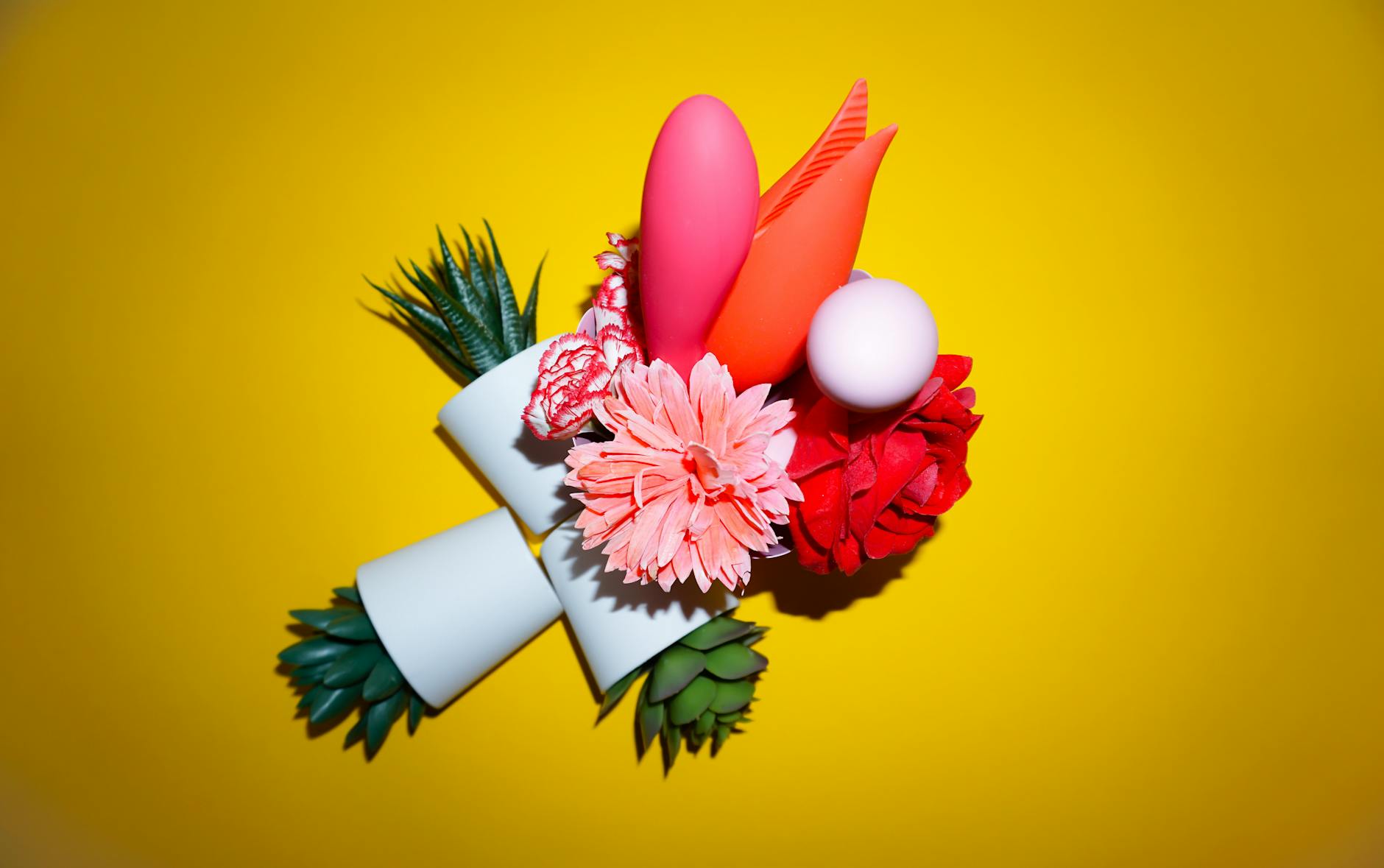
Let's be real about solo pleasure
Solo orgasms are the one place your pleasure doesn't depend on anyone else's availability, mood, or preferences. No negotiation, no timing, no wondering if your partner wants to or not. You show up for yourself, and that's it. That freedom alone changes everything about the experience.
The problem most people hit is treating solo pleasure like a quick checkbox instead of an actual practice. A lemon clitoral vibrator like the Lemon Clitoral Vibrator changes this because suction-based stimulation rewards patience in ways traditional vibration doesn't. You can't rush it. The design practically forces you to slow down and actually feel what's happening. Which is exactly the opposite of what most people do when they're alone.
Why solo pleasure matters more than most people admit
Research on sexual health shows that people who have regular solo orgasms report higher satisfaction in partnered sex, better body awareness, and lower stress. It's not selfish. It's literally foundational to knowing what you like, which your partner can't guess their way into no matter how much they care.
But there's a gap between knowing it matters and actually building it into your life like it's real. Most people treat self-pleasure like something to squeeze in between other tasks, which means it becomes rushed, infrequent, and less satisfying. Then they think "oh, solo pleasure just isn't as good for me" when what actually happened is they never gave it real time.
Your lemon vibrator needs a proper practice, not a stolen 5 minutes.
Setting up a solo practice that actually sticks
Pick a regular time, not "whenever you feel like it." This sounds rigid, but it's not. It's the difference between "I'll exercise when I have motivation" and "Tuesday and Thursday at 6 a.m. is my time." One never happens. The other becomes a habit.
Pick a time when you know you won't be interrupted. That might be early morning before household chaos, during lunch if you work from home, or 20 minutes after everyone goes to bed. It doesn't matter what time. It matters that it's reliable enough that your body starts to expect it.
Create a physical space that's yours. This doesn't have to be fancy. A locked bedroom door, a dimmed room with a chair that's actually comfortable, maybe a small blanket. The point is that your body learns "this is where pleasure happens," and that signal alone can help with arousal before you even touch yourself.
When your nervous system knows it's in a safe, designated space, you relax faster. Relaxation is non-negotiable for arousal. You can't think your way into an orgasm with a lemon vibrator if you're tensed up listening for footsteps.
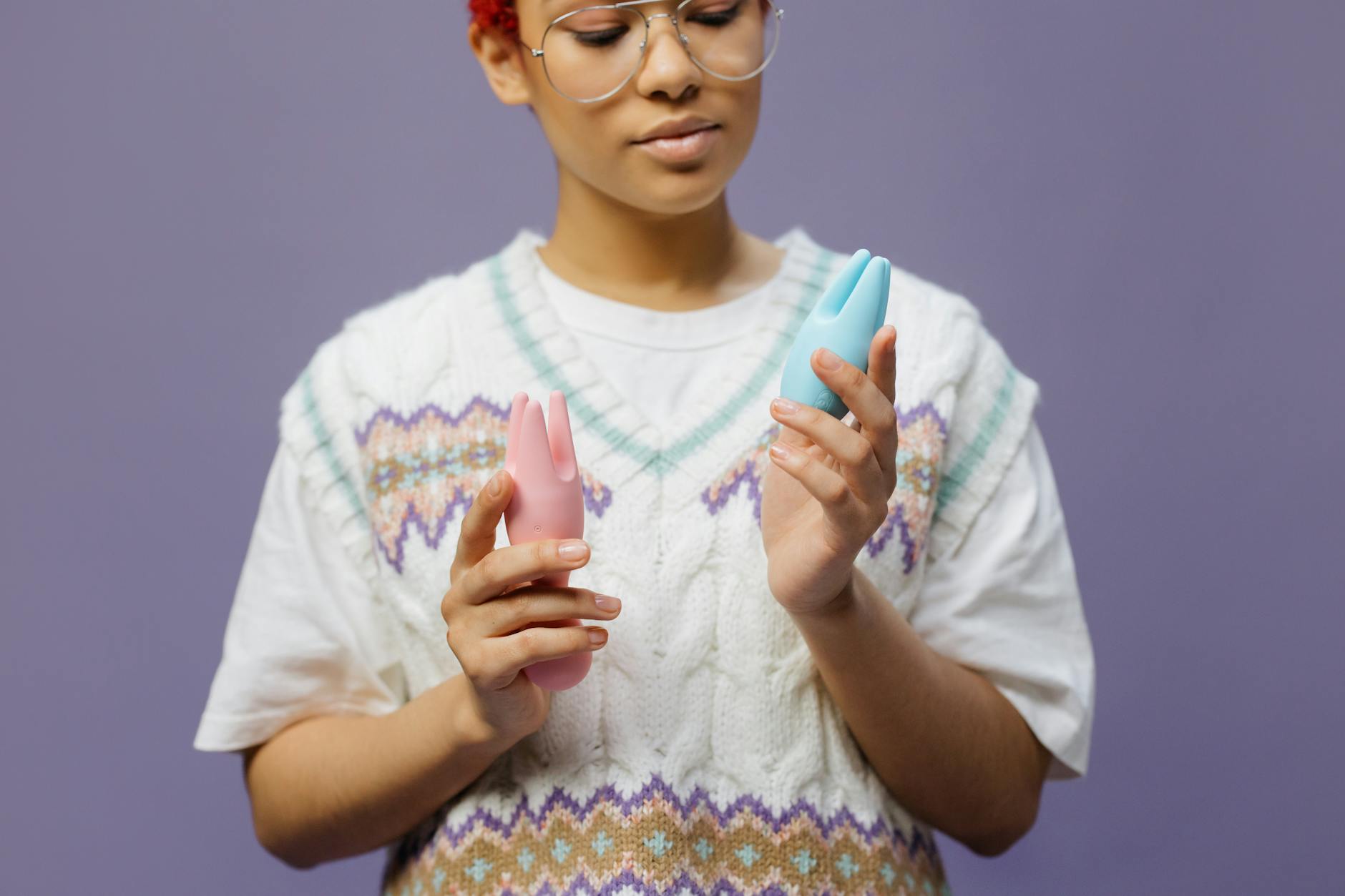
Photo by cottonbro studio on Pexels
The warm-up is non-negotiable
This is where most solo sessions fail. People skip the warm-up, jump straight to the vibrator, and then wonder why they need the highest setting to feel anything. Your body isn't broken. You just skipped the part where your nervous system shifts into arousal mode.
Spend 5-10 minutes on yourself before the lemon vibrator comes out. Touch your breasts, your inner thighs, your neck. Pay attention to what actually feels good instead of what you think should feel good. Most of us have spent so much time performing pleasure (real or imagined) that we've genuinely lost touch with what our own bodies like.
Your clitoris isn't fully engorged until you've been aroused for several minutes. If you jump to the vibrator before that happens, you're working against your own physiology. Then you blame the toy.
Warm-up time also gives you space to notice what mental state you're in. Are you actually present, or are you running through a to-do list? If it's the latter, 30 seconds of breath work can reset you. Breathe in for four, hold for four, out for four. Repeat three times. Your nervous system will shift.
How to use the Lemon Clitoral Vibrator for solo pleasure
Start on the lowest setting. Seriously. The Lemon's suction works because it creates a seal and a pulse, not because of speed. The lower settings let you feel that pulse clearly, and they also let you stay with sensations longer without overstimulation.
Apply a bit of water-based lube around the cup opening. This creates a better seal and makes the whole experience feel less mechanical. Hold the vibrator gently against your clitoris (not pressed hard). Lean into the sensation. You're not looking for intensity. You're looking for that distinctive pull-and-release feeling that suction creates.
Many people find that the lowest settings on a lemon vibrator are actually more intense than they expect because suction concentrates stimulation in one spot. That's a feature, not a bug. It means you don't need to crank up to high settings to feel a real orgasm.
If you feel yourself getting numb or overwhelmed, you have two options: turn it down or take a 30-second break. Numbness means you're overstimulating. A short break resets sensation. This is why solo practice with a lemon clitoral vibrator teaches you your own body's rhythms better than anything else. You learn what your nervous system can actually handle.
Building stamina and multiple orgasms
Once you've done this a few times and you know what sensations work, you can start exploring patterns. Some people find that coming down from the edge (building arousal to near-orgasm, then stopping) and going back up teaches the body to have multiple orgasms. Others find that consistency matters most.
If you want to work toward multiple orgasms, the key is not rushing to the first one. Spend longer on lower settings. Let yourself plateau. Come down. Go back up. This trains your nervous system to handle more intensity and more pleasure over time.
Your solo practice is also where you learn what mental patterns help. Some people need to visualize something specific. Others need silence. Some need music or sound. Figuring this out in your own space, with no one watching or waiting, is actually really valuable information that you can bring to partnered sex later.
What solo pleasure teaches you about yourself
When you build a regular practice, you start noticing patterns you'd never catch otherwise. Your arousal changes at different points in your cycle. Stress kills arousal faster on some days than others. Certain thoughts or fantasies consistently work. Certain positions make it harder to reach orgasm. Your body has actual intelligence about what it needs.
Most people only discover this stuff years into partnered sex, if they discover it at all. Building a solo practice means you know your own body before you're trying to negotiate pleasure with another person. That's powerful.
You also learn that your pleasure is worth protecting. It's worth carving out time for. It's worth investing in a good toy. It's worth figuring out what actually works instead of just doing what you think you're supposed to do. That internal permission is the biggest win of a real solo practice.
Frequency matters less than consistency
You don't need to do this daily. Two or three times a week is enough to build a real practice and reap the benefits. The key is showing up regularly enough that it becomes a habit, not rare enough that it feels like a special occasion you have to psyche yourself up for.
Some weeks you'll be more interested than others. That's fine. The consistency is about building a relationship with your own pleasure over time, not performing for a scoreboard. If you miss a week, you just come back. No guilt, no reset. You already know what you're doing.
When to adjust your approach
If you're not reaching orgasm after several sessions with your lemon vibrator, don't immediately assume your body is broken. First, check: Are you actually warm and aroused before starting, or jumping straight to the toy? Are you tensing your pelvic floor muscles, which kills sensation? Are you in a space where you're genuinely relaxed, or part of your mind is listening for interruptions?
If all that's solid and you're still not orgasming, it might be worth spending a few sessions without the vibrator, just using your hands. Sometimes bodies need to remember what baseline sensation feels like before adding a tool. Then reintroduce the vibrator once you've rebuilt that baseline.
If pain appears, or if the cup isn't creating a seal, check that you're using water-based lube and that the toy is clean. If pain persists, it's worth checking with a gynecologist to rule out anything like skin irritation.
FAQ
How often should I use my lemon vibrator for solo pleasure?
Two to three times a week is an ideal starting frequency. This is enough to build a genuine habit without feeling like an obligation. Some people find that daily practice works for them, while others prefer weekly sessions. The real goal is consistency and presence, not a specific number. Listen to your body. If you're genuinely interested, go for it. If you're doing it because you think you should, scale back and focus on quality over frequency.
Can using a lemon vibrator reduce my ability to orgasm with a partner?
No. Actually, the opposite tends to be true. When you know exactly what sensations your body responds to (something you learn through solo practice), you can communicate that to a partner more clearly. You're also less dependent on a partner to "give you" an orgasm, which actually makes partnered sex less pressured and more enjoyable. Solo skill builds partnered confidence.
What's the difference between a lemon clitoral vibrator and a regular vibrator for solo use?
Suction-based toys like the Lemon Clitoral Vibrator create a unique pulse-and-release sensation that many people find more intense and sustained than traditional vibration. You can also keep suction toys on lower settings and still feel significant sensation. This means less risk of numbing over time, and it rewards the kind of slower, more mindful solo practice that deepens your connection to your own pleasure.
Is it normal to feel awkward or self-conscious during solo pleasure?
Completely normal. Many people were raised with messaging that solo pleasure is shameful, so building a practice means you're literally retraining your nervous system to feel safe. That takes time. Starting with very short sessions, in a space where you feel genuinely private, helps. As the practice becomes routine, the awkwardness usually fades.
How do I handle interruptions without derailing my solo practice habit?
First, lock the door. Seriously. That one boundary does huge work. If you still get interrupted, you pause, reset, and try again the next scheduled time. Don't let one interruption convince you the whole thing is pointless. You're building a habit over weeks and months, not expecting perfection. One interruption is just one interruption.
Can solo pleasure with a lemon vibrator replace partnered sex?
It's not either-or. Solo pleasure and partnered sex offer different things. Solo gives you full control, no pressure, and deep body knowledge. Partnered sex (when it's good) offers intimacy, novelty, and shared pleasure. Both are valuable. Some people want both regularly. Some go through phases. There's no wrong answer except pretending one replaces the other instead of being honest about what you actually want.
Building your own pleasure literacy
Honestly, the biggest shift happens when you stop treating solo pleasure like something to rush through and start treating it like a real practice. A lemon vibrator makes this easier because the suction-based design almost forces you to slow down. You can't use it on high speed the whole time without numbing. You have to develop sensitivity and awareness.
Over time, that awareness becomes knowledge. You know what your body needs. You know what gets you there. You know the difference between an okay orgasm and a really good one, and you know what creates that difference. That knowledge is power. It changes not just how you feel about solo pleasure, but how you navigate pleasure in general.
Your orgasms matter. Your pleasure matters. Not as a side project squeezed between other things, but as something worth actual time and space. That's what a real solo practice teaches.