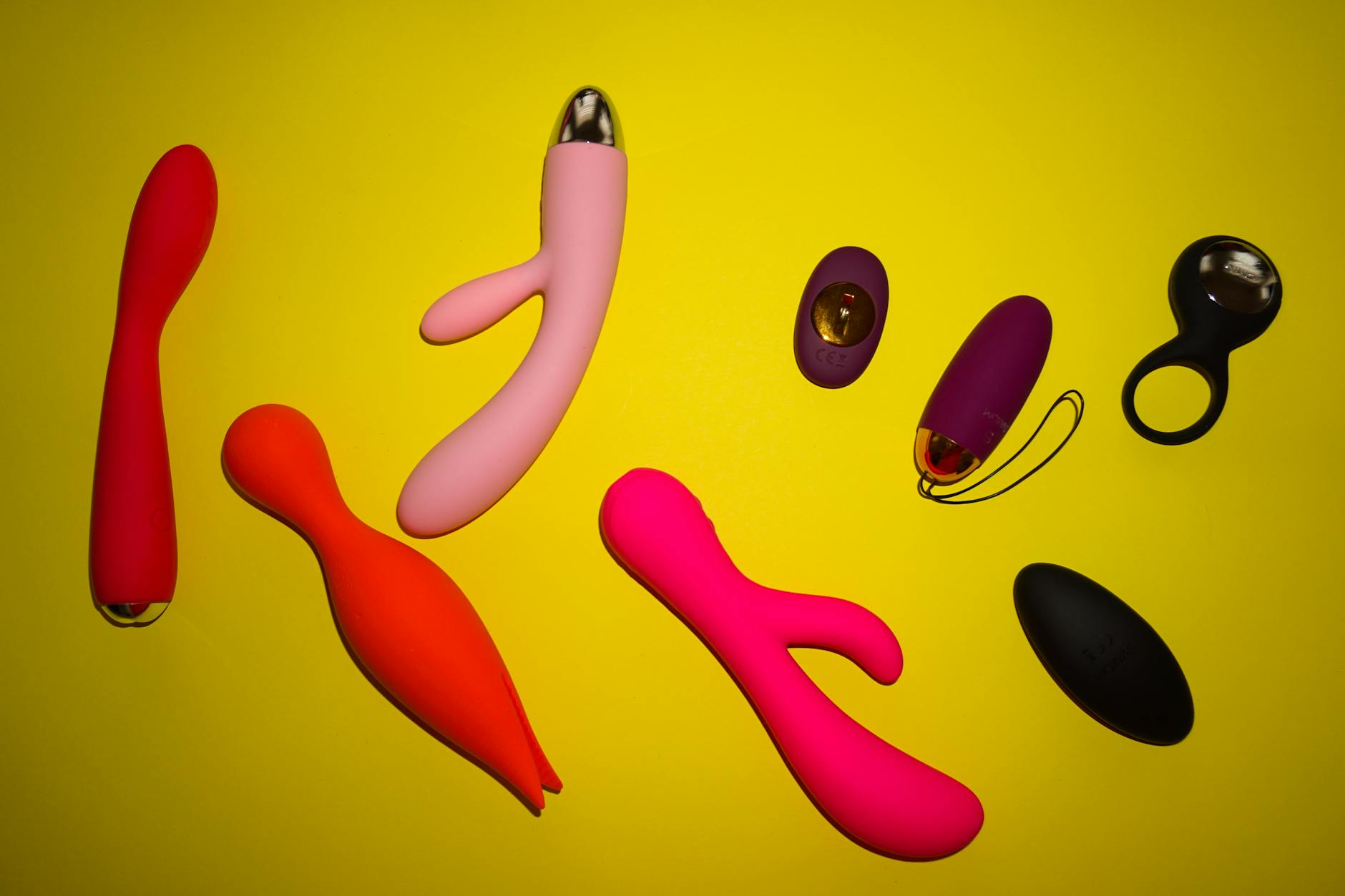
The honest thing about birth control and pleasure
Let's be real. Birth control doesn't kill your sex drive. But it doesn't leave it untouched either. Depending on which method you're using and how your body responds, hormonal contraception can shift arousal, lubrication, sensation, and orgasm intensity. Sometimes dramatically. Sometimes not at all.
The frustrating part? The impact is wildly individual. Two people on the same pill can have completely opposite experiences. That's why understanding what birth control actually does to your body, and how to work with it rather than against it, matters so much.
I'm going to walk you through the physiological shifts, what they feel like, and specifically how a lemon clitoral vibrator like the Lem can help you reclaim pleasure on hormonal contraception.
What birth control hormones actually do to arousal
Most hormonal birth control methods work by suppressing or altering your natural estrogen and progesterone cycles. This is brilliant for preventing pregnancy. It's less brilliant for maintaining the exact arousal pattern you had before.
Here's what happens: synthetic hormones can lower testosterone production. And I know that sounds like a male thing, but people with ovaries produce testosterone too. It's one of your primary drivers of desire. When testosterone dips, arousal often takes longer to build. You might also notice less spontaneous desire, or what used to feel like a quick spark now requiring more deliberate warmup.
Estrogen levels also shift depending on your method. With combined hormonal contraceptives (the pill, patch, ring), estrogen stays somewhat stable but lower than your natural cycle. With progestin-only methods (the mini pill, implant, shot), there's often even less estrogen. Lower estrogen can mean thinner vaginal tissue, less lubrication, and a longer time to reach full arousal.
That said, your clitoris doesn't have estrogen receptors in the same way your vagina does. The clitoral nerve density and the neural pathways that build pleasure remain largely unchanged by birth control.
Why sensation sometimes feels different on the pill
Three reasons your pleasure map might shift:
1. Reduced lubrication. This is the most common complaint. You're not suddenly dry for the rest of your life. You just produce less cervical mucus when estrogen is lower. Water-based lubricant becomes your strategic advantage here, but so does understanding that your arousal might need extra time to build.
2. Emotional blunting. Some people report that hormonal birth control takes the edge off their emotional intensity. This can mean muted anxiety (great), but also muted pleasure responses (less great). It's not universal, but it's real enough that many people notice it within the first two months.
3. Cycle flattening. Off hormonal birth control, your desire naturally peaks around ovulation. On it, you lose that peak. Your libido doesn't vanish. It just becomes more steady and less dramatic. Some people grieve this. Others find it liberating to not have a "high" week and "low" week.
How the Lem works differently when you're on birth control
Clitoral vibrators like the Lem don't rely on the same physiological responses that penetrative sex does. The suction mechanism stimulates nerve endings directly, bypassing some of the complications that hormonal changes create.
Specifically: a lemon sucker or air-suction vibrator gives consistent stimulation without requiring the same level of spontaneous lubrication or arousal buildup that friction-based stimulation does. You're not waiting for your body to create the perfect conditions. The Lem creates those conditions for you.
Many people on hormonal contraception find that suction-based clitoral vibrators feel more responsive than they might have before starting birth control. Because the sensation is so concentrated and intense, you don't need to warm up for 30 minutes. You might only need 10 to 15.
Practical adjustments for birth control plus the Lem
If you've switched to hormonal contraception and noticed your pleasure has shifted, here's what I recommend:
Start with water-based lubricant, always. Even if you don't think you need it. Lubrication isn't just about comfort. It amplifies sensation. When you apply a small amount around the vulva before using the Lem, you're increasing the suction surface and making the sensation smoother.
Experiment with pattern intensity early in your cycle. Most people find that sensation feels slightly sharper in the first half of their cycle (when they're on active birth control pills, or the first two weeks after an injection). Some people run the Lem a bit lower. Others find they have more patience for higher intensities. Track what works.
Build in longer foreplay with a partner. If you're noticing arousal takes longer on birth control, that's not a reflection of your capacity for pleasure. It's a reflection of hormonal reality. Spend time on other touch before introducing the Lem. Kissing, hand stimulation, whatever builds desire. Then bring the Lem in when you're ready.
Use solo sessions to map your pleasure. Birth control changes your baseline. The best way to understand what feels good now is to spend time alone discovering it. Try the Lem at different times of day, at different intensities, with and without lubricant. Solo exploration isn't selfish. It's research.
Consider pattern variety. The Lem has multiple stimulation patterns. Many people on birth control find they need more variation to reach orgasm. Pattern 1 and 2 might feel boring. Patterns 4 and 5 might feel closer to what they want. Don't assume you need the "best" pattern. The best pattern is the one that works for your current body.
When to talk to your doctor about this
If birth control has genuinely tanked your libido and nothing is helping, that's worth a conversation with your prescriber. Some methods affect desire more than others. If you're on the pill and struggling, the patch or ring might feel different. If you're on an implant or shot, a different progestin-only method might work better.
Similarly, if you've developed pain during sex (not just less arousal, but actual discomfort or burning), that's worth mentioning. It could be hormonal. It could be something else entirely. Either way, your doctor should know.
What's important to know: struggling with pleasure on birth control is common enough that your doctor has heard it before. You don't need to apologize for bringing it up.
The middle ground is real
Here's what I want you to know from my years working with couples navigating this: birth control doesn't end your sex life. It changes the terms. Sometimes those terms feel restrictive. Sometimes they feel freeing (no more tracking ovulation, no more "peak" and "low" weeks, just a steady baseline you can count on).
When you understand what's actually happening physiologically, you stop blaming yourself and start problem-solving. A lemon clitoral vibrator is one tool. Lubrication is another. Communication with a partner is crucial. And sometimes the adjustment is just... time. Your body often settles into a new baseline after two or three months on a new method.
Your pleasure matters. Birth control doesn't change that. It just requires you to show up with curiosity instead of assumption.
People also ask
Does birth control make it harder to orgasm with a lemon vibrator?
Not inherently, but some people experience longer buildup time. Birth control can lower testosterone, which affects desire and arousal speed. The good news: the Lem's suction stimulation bypasses some of those complications. Many people find that clitoral vibrators are actually easier to orgasm with on hormonal contraception than without, precisely because the sensation is so direct and consistent. If you're struggling, try adding lubricant, extending foreplay, or experimenting with different patterns.
Will my sensitivity to the Lem change if I switch birth control methods?
Quite possibly. Different methods deliver different hormone levels. Combined pills and rings tend to maintain moderate estrogen. The mini pill and implants have lower hormone doses. If you switch methods, give yourself at least a full cycle to adjust. What felt perfect on one method might feel different on another. That's not a failure. It's just your body recalibrating.
Is it normal to have less lubrication on hormonal birth control?
Completely normal. Estrogen supports cervical mucus production. Lower estrogen means less natural lubrication. Water-based lubricant is not a sign that something's wrong with you. It's a strategic tool that makes pleasure more accessible. Use it freely.
Can I use the Lem during different phases if I'm on the pill?
Yes, but note that hormonal birth control flattens your cycle. You don't have the same hormone peaks and valleys that naturally cycling bodies do. That said, many people still notice subtle shifts in sensation week to week. Some find patterns 1 to 3 feel better the first week of active pills, and they prefer higher intensities by week three. Track your own experience.
Does the type of birth control matter for pleasure?
Absolutely. Combined oral contraceptives (standard pills) tend to have less impact on desire than progestin-only methods. The patch and ring feel different from pills for some people. Long-acting methods like implants and IUDs tend to have the lowest hormone exposure, but that's not always better for sensation. The best method is the one that works for your body, your timeline, and your pleasure. If you're struggling, talk to your doctor about trying something different.
Can I take the Lem with me if I travel across time zones on birth control?
Technically yes, though this is a broader question about maintaining birth control efficacy across time zones. For the Lem itself, travel doesn't affect it at all. For your contraceptive timing, follow your prescription guidelines. Some pills require consistent timing across zones. Others have more flexibility. Check with your pharmacist before traveling.
The takeaway
Birth control changes your body's chemistry. It doesn't end your capacity for pleasure. Understanding those changes, and choosing tools and strategies that work within your new baseline, is what reclaiming pleasure looks like. Whether that's a lemon clitoral vibrator, lubricant, communication with a partner, or simple patience while your body adjusts, you have agency here.
If you have questions about how your specific birth control method might affect pleasure, or want to explore options that feel better, reach out. We're here to help you navigate this without shame or guesswork.