Let's talk about the gap
Six months. Three years. A decade. The length doesn't matter as much as what it does to your relationship with your own body. Time away from pleasure isn't just a pause. It rewires something. Your nervous system recalibrates. Your mind builds stories about whether you still deserve this, whether your body still works, whether desire is even still in there somewhere.
I've worked with hundreds of people in this exact position, and here's what's real: you're not broken, and you're not starting from zero. But you're not picking up where you left off either. This is its own thing.
Why it feels so different when you come back
Your body's still got all the wiring it had before. The neural pathways for arousal haven't disappeared. Your clitoris has the same nerve density it always did. But three things have genuinely changed.
First, your mind is louder. Anxiety about performance, worry that desire won't return, doubt about whether this feels "right" anymore. These thoughts create physical tension. Your pelvic floor tightens. Blood flow stutters. The very biology of arousal depends on your nervous system feeling safe, and after time away, safe doesn't feel obvious.
Second, your familiarity with your own pleasure has faded. Muscle memory isn't just physical. It's sensory. You've forgotten what baseline arousal feels like, what your signals mean, what rhythm works for you. That's not damage. That's just disuse.
Third, and this one matters: there's often shame attached. Shame about the gap itself, about whether returning to pleasure means something about your relationship or your priorities or who you are. Shame is a pleasure killer. It contracts everything. It makes sensation harder to access.
Why a lemon clitoral vibrator changes the game
Let me be blunt: hands alone might not work right now. Not because there's anything wrong with hands, but because returning to pleasure solo first matters. It removes the pressure of a partner's expectations. It lets you focus on what your body is actually feeling, not on whether you're taking too long or responding fast enough.
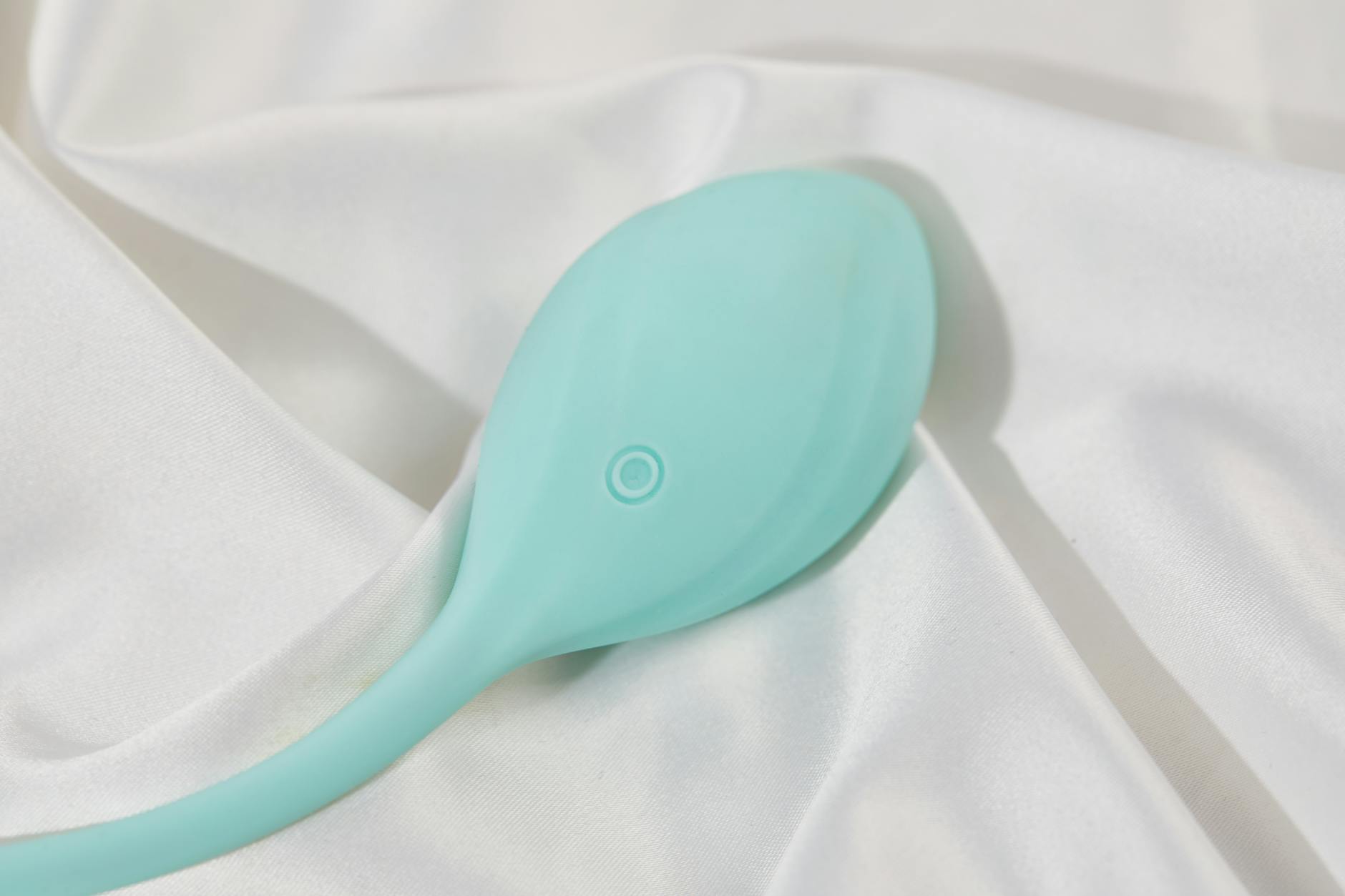
A clitoral vibrator, specifically one like the Lem with its suction-based design, works so well here because it doesn't require the same engagement hands do. You're not performing effort. The sensation is consistent. You can start low and gentle and build at your own pace. There's no thinking involved about pressure or rhythm. You just feel.
The suction approach also matters physiologically. It stimulates deeper nerve clusters without the direct friction that can feel overwhelming when you're returning to sensation. After time away, your threshold for intensity is often lower. Suction gives you control without requiring precision.
Starting: the mental setup
Before you touch anything, permission matters. You need to separate the gap from the present moment. The time away isn't a referendum on your desire or your body. It's just what happened. You're choosing to come back now. That choice is enough.
Set actual time for this. Not squeezed between other things, not rushed, not "whenever I feel like it." Block an hour when you won't be interrupted. Your nervous system needs to know it's safe. Interruption anxiety is a pleasure blocker.
Dim the lights. Temperature matters more than you'd think when you're returning. Your body is sensitive and scanning for threats. Warm is better than cold. Comfortable clothes you can remove are better than struggling with buttons.
The biggest mental shift: this is exploration, not performance. You're not trying to prove anything works. You're investigating what your body feels like right now, in this moment. Some sessions will feel great. Some will feel neutral. Some might feel frustrating because sensation takes longer to build than you remember. All of that is normal.
The physical approach: your first sessions
Start with your hands first. Spend 10 minutes just touching yourself without expectation. No vibrator yet. Notice temperature. Notice where you feel touch easily and where it takes focus. Some people find they've built tension in their pelvic floor after time away. Some find numbness. Some find everything feels hyper-sensitive. There's no wrong answer here.
When you reach for the Lem, start it on the lowest setting. Pattern 1. That's not where you'll stay forever, but that's where you start. Apply it to the outer edges of your clitoris first, not directly on the glans. Spend two or three minutes here. Let your body register sensation without intensity.
Then move closer, more directly. Notice what happens. Does pressure from above feel different than from the side? Does intensity need to increase for arousal to build, or does gentle consistency work better? You're gathering information about your current self.
If after 15 minutes you haven't felt much, that's fine. Stop. You're not broken. Arousal takes longer when you're returning. Come back tomorrow or the next day. This isn't a one-session thing.
Why patience is non-negotiable
Honestly, the hardest part about returning to pleasure isn't physical. It's staying curious instead of giving up. You'll want to measure yourself against who you were before. You'll want instant results. Your brain will suggest that something's wrong because it doesn't feel exactly like you remember.
None of that is true. Your body is learning you again. That takes repeated, gentle exposure. Neuroscientists call it reconditioning. It means your nervous system needs repeated experiences of safety and sensation to rewire the pathways that time away interrupted.
If you're in a relationship, consider whether you need to reintroduce partner contact separately. Some people find that solo exploration first, then partnered exploration, works better than trying both at once. Others find the opposite. There's no timeline here except the one your nervous system sets.
When to use the Lem with a partner
If you've spent a few weeks or a month exploring solo first, introducing the clitoral vibrator to partner time is often easier. You know what it feels like. You know what sensation you're looking for. You can guide them. "Exactly like this, just add your fingers" or "Hold it right here while I guide you."
Partners sometimes worry that toys mean they're not enough. You'll want to preempt this. The Lem isn't replacing anything. It's a tool that makes sensation accessible. That accessibility often makes it easier to relax, which makes everything feel better, which is better for both of you.
If you start returning to pleasure with a partner present, the same rules apply as solo. Low intensity. Patience. Exploration over performance. The difference is you're also managing their expectations and comfort. That's harder. Which is why solo first, usually, is gentler.
Common stumbling blocks and what they actually mean
If your mind won't stop running through thoughts: that's normal. Your brain is still in threat-detection mode. Meditation apps don't always work here. Some people find that counting breaths helps. Some find that focusing hard on physical sensation (the texture of fabric, the specific quality of vibration) pulls them back in. Gentleness with your own impatience helps more than forcing focus.
If sensation feels numb or distant: that can be anxiety, pelvic floor tension, or just time. Keep showing up without judgment. Numbness usually releases with repeated gentle exposure. If it persists past a month of regular exploration, that's worth mentioning to a healthcare provider.
If pleasure comes back faster than expected and it's overwhelming: reduce intensity immediately. Your body's caught up but your mind might not be ready. That's okay. Pacing matters.
If you never feel orgasm during these early sessions: most people don't, and that's not the goal right now. The goal is reconnection. Orgasm usually follows once your nervous system stops expecting it.
The longer view
Returning to pleasure after a gap isn't about restoring what was. It's about building what is. You're different now. Your body's different. Your preferences might be different. The Lem and patience and curiosity create space for discovering who you are in pleasure now, not performing who you used to be.
Most people find that within four to eight weeks of gentle, regular exploration, sensation comes back reliably. Arousal builds faster. Orgasm returns. The experience feels more integrated into who you are.
That said: there's no finish line here. Pleasure isn't a problem to solve. It's an invitation to keep meeting yourself with kindness.
People also ask
How long does it usually take for sensation to fully return after a long break?
For most people, basic sensation comes back within two to four weeks of regular gentle exploration. Orgasm often takes four to eight weeks. That said, every nervous system is different. Some people feel reconnected in days. Others take months. The timeline matters less than the consistency. Showing up twice a week matters more than intensity.
Is it normal to feel guilty about returning to pleasure after a gap?
Completely normal. Time away from pleasure often carries stories: guilt about prioritizing yourself, worry that desire means infidelity, fear that pleasure contradicts your values or role. These are feelings, not facts. Naming them with a partner or a therapist often helps them lose their grip. Your body's desire isn't a referendum on your character.
Should I tell my partner I'm using the Lem for solo exploration?
If you're in a monogamous relationship, yes, eventually. Not immediately if vulnerability feels risky. But partnership requires some honesty about what you're doing. You don't need to narrate every session. But something like "I'm taking time to reconnect with myself, and I'm using a clitoral vibrator to help" keeps things transparent. Most partners appreciate the honesty and the fact that you're being intentional about rebuilding.
Can I use a lemon clitoral vibrator if I'm on antidepressants that affect sensation?
Yes. Antidepressants and other medications can reduce sensation and delay arousal. That's not permanent. A clitoral vibrator like the Lem often helps because suction creates deeper stimulation that can bypass the numbness medications cause. Start low, be patient, and don't assume the baseline change is permanent. Many people find that after their nervous system adjusts to the medication, sensation improves while staying on it.
What if I'm coming back to pleasure after sexual trauma?
That's important and deserves real care. The nervous system needs time and safety. A clitoral vibrator can help because you're in control of intensity, pacing, and when it stops. But you'll likely benefit from working with a trauma-informed therapist alongside solo exploration. They can help you stay grounded and build the nervous system safety that arousal depends on. You're not broken. You're healing.
Is it normal to feel emotional during or after returning to pleasure?
Very normal. Pleasure and emotion are tangled up in the nervous system. Coming back to sensation can trigger sadness, grief for lost time, or unexpected happiness. Sometimes all in one session. Let the emotions move through. That's actually a sign your nervous system is coming back online.
One more thing
You're not restarting. You're returning. Your body remembers. Your capacity for pleasure is still there. The Lem, patience, and permission to move at your own pace are the tools. The rest is time and gentleness with yourself.