Here's what nobody tells you about mismatched sex drives
Your partner loses interest in sex. You don't. Suddenly you're the problem, or worse, you're waiting. And waiting. And the longer you wait, the more resentment pools up in places you didn't know resentment could live.
So you stop asking. You tell yourself it's fine. And then six months pass and you realize you've stopped thinking about your body as a source of pleasure and started thinking of it as a complication. That shift is the real problem.
The thing about low libido in relationships
Low sex drive in a partner isn't about you. I say this clearly because most people in your position have spent months or years assuming it is. It isn't. Low libido is usually about stress, hormones, medication, depression, relationship dynamics, or a hundred other factors that have nothing to do with your attractiveness or desirability.
Which means it also doesn't have to become your problem to solve by disappearing your own needs.
Mismatched sex drives are one of the most common issues couples face. And the couples who handle it best aren't the ones who wait for it to fix itself. They're the ones who separate two conversations: "I need something for my pleasure" and "I want to rebuild intimacy with you." Those are different problems requiring different solutions.
Why a lemon clitoral vibrator changes the equation
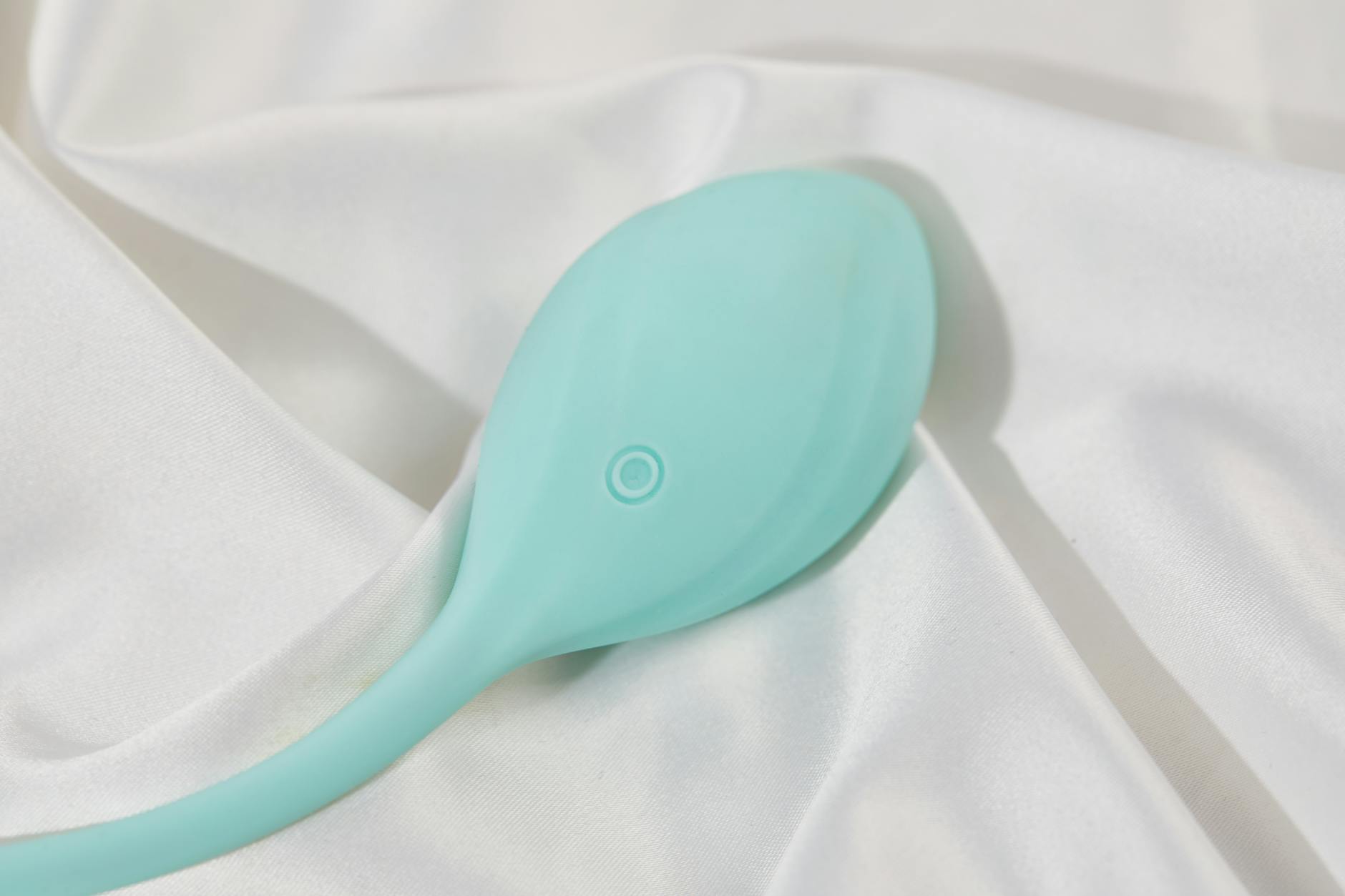
When you use a lemon vibrator or any air-suction clitoral vibrator for solo play, you're not replacing your partner. You're reclaiming the part of your sexuality that belongs to you alone.
That distinction matters because it reframes the entire dynamic. Instead of sex becoming something you do or don't do together, pleasure becomes something you know how to access independently. And here's the part that surprises people: that usually makes partnered sex better, not worse, because you're not entering it from a place of desperation or stored resentment.
A lemon vibrator works particularly well in this scenario because the suction stimulation is intense and efficient. You don't need your partner's participation or energy. You need ten to fifteen minutes, privacy, and a tool that works on the first try. That's different from vibrators that require more setup or longer warm-up time.
How to actually use it when you're alone
First, separate the logistics from the shame.
You're not sneaking. You're not being unfaithful. You're not saying your partner isn't enough. You're having an orgasm. That's it. That's the whole sentence.
When you're ready to actually use your lemon vibrator:
Set a time when you won't be interrupted. Not late at night when you're exhausted. Not early morning when you're rushing. A time when your nervous system is actually available.
Use water-based lubricant on the suction opening. It creates a better seal and feels better. This is a logistics thing, not a quality-of-life thing, but it changes the experience substantially.
Start at pattern 1 or 2. You're not going for maximum intensity right away. You're reconnecting with your body's capacity for pleasure. Intensity can live there, but start lower.
Let your mind wander. You don't need to fantasize about your partner. You don't need to fantasize about anyone. You can think about the feeling in your body, or you can think about what you're making for dinner. Your brain belongs to you.
Notice what feels good without judgment. Some people come quickly with a lemon vibrator. Some take longer. Some need external touch plus the vibrator. Some prefer the vibrator alone. There's no wrong version.
Then let yourself feel what you feel after. Relief. Clarity. Boredom. Guilt. Whatever surfaces is information.
The conversation you actually need to have
Using a lemon vibrator solo is step one. Step two is the harder part: telling your partner.
Most people skip this and just do it in secret. I understand the temptation. But secret pleasure creates secret resentment. And eventually that resentment becomes the real barrier to intimacy.
Honestly though, the conversation doesn't need to be a big production. You're not asking permission. You're informing.
Something like: "I've noticed our sex drives are pretty different right now. That's not blame, it's just true. I've been holding that and it's not working for me. So I'm going to take care of my own pleasure when I need to. I wanted you to know that rather than have it be something I'm hiding." Then stop talking. Don't over-explain. Don't soften it with "unless you mind." You don't need his permission to have an orgasm.
Some partners will feel relief. Some will feel threatened. Some won't care. But the key thing is you've named it clearly. You're not being resentful. You're not being passive-aggressive. You're being direct and matter-of-fact about a basic need.
What actually changes after you claim your pleasure back
Three things I see happen with couples where one person reclaims solo pleasure:
The sexual tension shifts. When you're not secretly waiting and resentful, you're not as on-edge around your partner. That alone often thaws things a little.
The conversation becomes possible. Once you're not managing your own desperation, you can actually ask questions. "What's happening for you with sex right now?" instead of "Why don't you want me?" Those are completely different conversations.
The low-libido partner sometimes gets curious. Not always. Not your job to make it happen. But sometimes when the pressure is off, when sex isn't the only thing you're both failing at, desire comes back on its own. It's weird and counterintuitive, but I see it regularly.
None of that guarantees your sex drives will match. But it usually means you stop eroding yourselves in the process of waiting for it to happen.
When using a lemon vibrator alone isn't enough
If you're using your lemon vibrator regularly and you're still feeling deeply disconnected, undesired, or resentful, that's information that the low sex drive is a symptom of something bigger.
Possible bigger things: depression, medication side effects, relationship breach of trust, different attachment styles, unresolved conflict, hormonal changes, or just fundamentally incompatible needs. These are situations where solo pleasure helps, but it doesn't solve the actual problem.
That's when couples counseling becomes worth considering. Not as a fix for low libido itself, but as a way to understand what's underneath it. Sometimes low sex drive is treatable with a doctor. Sometimes it's solvable with better communication. Sometimes it requires reckoning with whether you and your partner actually want the same things.
None of those paths require you to stop having orgasms in the meantime.
The permission you don't realize you need
Your pleasure matters more than your partner's sex drive.
I'm going to say that again because most people in your position have internalized the opposite message: Your pleasure matters more than your partner's sex drive.
That doesn't mean you don't care about your partner. It doesn't mean you don't want to rebuild intimacy or have partnered sex again. It means you stop treating your body's needs as a problem to manage around someone else's absence of need.
Using a lemon vibrator isn't Plan B while you wait for Plan A to show up. It's not settling. It's not a workaround.
It's actually taking yourself seriously.