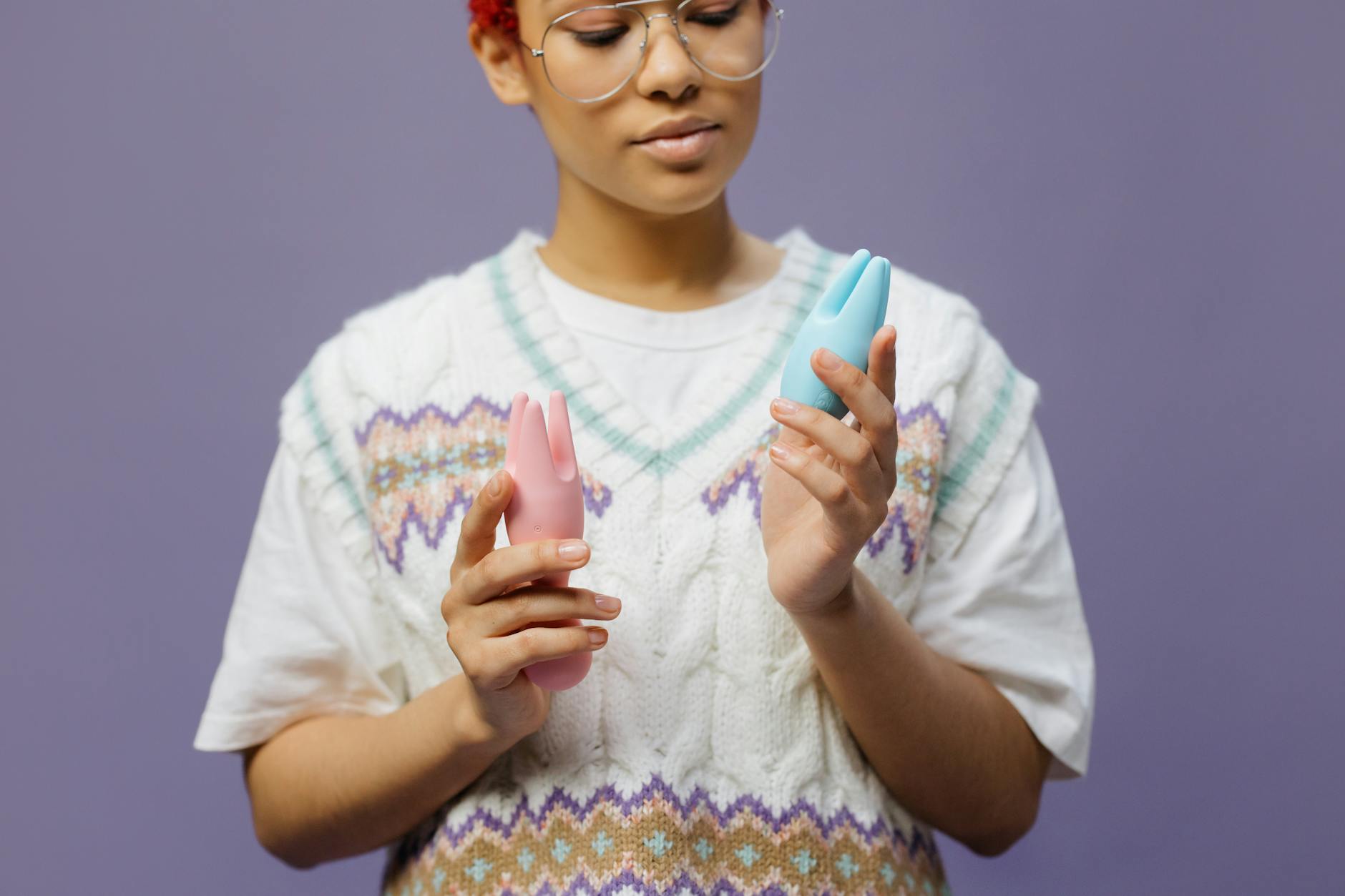
Here's the thing about disappointing orgasms
You know what an orgasm used to feel like. Full. Gripping. The kind that leaves you breathless for a few seconds afterward. And now? Now they kind of just...happen. A flutter. A release. Gone in three seconds flat, leaving you wondering if that even counted.
This is one of the most common things I hear from people in their late thirties and beyond, and nobody talks about it. Which means most people assume they're broken, when actually something very fixable has shifted.
Why orgasms change over time
Three main culprits are at play.
First, the cardiovascular piece. An orgasm is fundamentally a muscular contraction in response to intense nerve stimulation. That contraction strength correlates to heart rate elevation, blood flow volume, and overall arousal buildup. If you're coming into sexual time already fatigued, stressed, or in a lower arousal state, your body literally doesn't have the same hydraulic pressure to create that peak sensation. Life gets busy. You're tired. Your nervous system is in sympathetic overdrive. The orgasm that requires full parasympathetic engagement just doesn't have the fuel it needs.
Second, the desensitization effect. The same stimulation method, the same pressure, the same rhythm for years creates adaptation. Your nervous system is absurdly good at tuning out repetitive signals. It's useful in traffic (you stop noticing the hum of the engine), but it's brutal during pleasure. Your hand, your partner's hand, the same toy, the same angle. Your clitoris registers the pattern and downshifts its responsiveness.
Third, hormonal and pelvic floor tone. Estrogen affects tissue elasticity and blood flow to the genitals. Stress, aging, and pelvic floor tension (which is counterintuitive but very real) reduce the amplitude of those contractions. If your pelvic floor muscles are either too tight or too loose, the orgasmic response gets muted. It's like trying to make a loud sound with a drum that's either over-tensioned or slack.
Why a lemon clitoral vibrator changes the equation
I'm specific about lemon vibrators here because the suction mechanism works differently than traditional vibration. A lemon vibrator doesn't just buzz. It creates a gentle seal and rhythmic pressure wave that stimulates the entire clitoral structure, not just the surface. This matters.
When you've experienced orgasm desensitization, you need something that:
- Reaches tissue that fingers and standard vibrators miss
- Creates novel sensory input (something your nervous system hasn't adapted to yet)
- Builds intensity gradually without requiring extreme manual pressure
- Engages the deeper clitoral bulb and internal erectile tissue
A lemon sucker does all four. The suction pattern is inherently variable. Even at the same setting, the sensation changes as tissue engorges and shifts. Your nervous system perceives it as fresh input, which bypasses the desensitization trap entirely.
The reset protocol: how to rebuild orgasm intensity
Here's what actually works:
Week one: exploration mode. Don't chase orgasm. Use your lemon vibrator to explore sensation at the lowest settings. Spend 10 to 15 minutes just noticing. What pattern feels most novel? What setting creates the most interesting sensation without going straight to the goal? This week is about rewiring your nervous system to perceive clitoral stimulation as genuinely new.
Week two: building arousal depth. Now start longer sessions. Spend 20 to 30 minutes building arousal before introducing the vibrator. Touch yourself without it. Let your heart rate rise, your breath deepen. Only bring in the lemon vibrator once you're genuinely aroused, not just willing. This primes your cardiovascular system for a stronger orgasm.
Week three and beyond: matching rhythm to arousal state. This is where the real shift happens. As you approach orgasm, you want to stay slightly behind your peak. If you're at a 7 out of 10 arousal, stay at setting 3. At an 8, move to 4. At a 9, you can increase. This creates sustained buildup instead of premature plateau. Many people with weak orgasms have been chasing release too early. Slow everything down.
The partner conversation, if there is one
If you're working with a partner, this changes things slightly. First, understand that weak orgasms are rarely about them. They're about nervous system adaptation and cardiovascular capacity. Second, communication matters more than the toy.
Say something like: "My body's response has shifted over time and I want to explore using a lemon vibrator to rebuild intensity. This isn't about what you're doing wrong. It's about giving my nervous system something genuinely new." Most partners respond well to specificity. They understand "I want to try this tool to feel more satisfied" way better than "I'm not satisfied."
If your partner joins in, have them start the toy at a lower setting than you think you need. Let them observe your response and adjust upward slowly. The temptation is always to go too hard too fast, which locks you out of the gradual buildup that creates real intensity.
The timing question: when in your cycle
Orgasm intensity fluctuates across your menstrual cycle, even if you think it doesn't. Days 10 to 14 (around ovulation), your clitoris is more sensitive, blood flow is higher, and orgasms are naturally stronger. If you're rebuilding intensity, start your lemon vibrator exploration during this window. You'll have better feedback about what's working. Once you establish the neural pathway at a time when your body is naturally primed, you can maintain it even during lower-sensitivity phases.
If you don't menstruate, hormonal shifts are less pronounced but stress and sleep still matter enormously. Orgasm intensity is highest when you're rested and your nervous system is calm.
Technique adjustments that amplify sensation
Three small shifts make a huge difference:
Angle matters. Most people use a lemon vibrator dead-center on the clitoris. Try angling it slightly to one side. The entire clitoral structure isn't perfectly centered. Shifting the contact point recruits different nerve endings and often creates significantly stronger sensation.
Pressure, not intensity. People assume weak orgasms need higher settings. Usually the opposite is true. Start at setting 2 or 3 and focus on firm, sustained pressure. Light contact desensitizes. Press firmly into the tissue and hold. Let the sensation build without chasing more speed or vibration.
The pause technique. Right as you approach orgasm, pull the vibrator away for 5 to 10 seconds. Let arousal dip slightly. Then return to the same setting. That rebound creates a significantly stronger contraction than continuous stimulation. Your body perceives the second wave of input as more intense because of the contrast.
The mental piece you can't skip
Here's what I see most often: weak orgasms are accompanied by performance anxiety. You're thinking "Will this be strong enough?" which immediately tanks intensity because you're not fully present. Presence is everything.
Before you use your lemon vibrator, set a boundary with yourself. You have permission to stop if you want to. You have permission for the orgasm to be small. You have permission not to come at all. The moment you release the pressure to perform, your nervous system relaxes and actual sensation returns.
I know this sounds abstract. Try it once and you'll feel the difference immediately. Tension is the enemy of intensity.
When to check in with a professional
If you've been consistent with a lemon clitoral vibrator for four weeks and orgasm intensity hasn't shifted, it's worth talking to a gynecologist or pelvic floor physical therapist. Sometimes weak orgasms signal pelvic floor dysfunction, hormone imbalances, or medication side effects that need attention. A lemon vibrator is genuinely helpful, but it's not a treatment for underlying conditions.
Rebuilding satisfaction is absolutely possible
Orgasm intensity isn't fixed. It's not a measure of your body's capacity. It's a reflection of your arousal buildup, nervous system adaptation, and how much you're asking your body to do while under stress. A lemon vibrator breaks the desensitization cycle and gives your clitoris something genuinely novel to respond to. Combined with slower buildup and presence, most people report significantly stronger orgasms within three to four weeks.
You don't have to accept underwhelming. Your body isn't broken. You just need the right tool and the right approach.
People also ask
Why does my orgasm intensity vary so much from day to day?
Orgasm strength depends on multiple factors that shift daily: sleep quality, stress level, hydration, blood pressure, and your menstrual cycle phase (if applicable). A day when you're well-rested and calm will typically produce stronger orgasms than a day when you're exhausted and anxious. This is completely normal. If you want more consistent intensity, focus on sleep and stress management first. Everything else follows from there.
Can a lemon sucker vibrator actually make orgasms stronger, or is that marketing?
It's not marketing. The suction mechanism stimulates a different set of nerve endings than traditional vibration, and it bypasses neural adaptation because the sensation is inherently variable. That said, the vibrator is only one part of the equation. Buildup time, arousal state, pelvic floor tension, and mental presence matter as much as the tool itself. The best lemon clitoral vibrator in the world won't create strong orgasms if you're bringing it into a session where you're stressed and aroused for only two minutes.
Is weak orgasm a sign that something is medically wrong?
Not necessarily. Most weak orgasms trace back to nervous system desensitization, insufficient arousal buildup, or stress. But if weak orgasms are new (you used to have strong ones and they've shifted), or if they're accompanied by pain, numbness, or loss of sensation, that's worth discussing with a gynecologist. Certain medications, hormonal shifts, diabetes, or pelvic floor dysfunction can affect orgasm intensity. A professional can rule out those factors and suggest targeted treatment if needed.
How long does it take to feel a difference when using a lemon vibrator?
Most people notice a difference within the first few uses, just from the novelty of different sensation. But rebuilding orgasm intensity typically takes three to four weeks of consistent exploration. The nervous system needs time to adapt and to establish new patterns. It's not instant, but the shift is usually noticeable fairly quickly.
Should I use a lemon vibrator alone or with a partner?
Start alone. Solo exploration gives you clearer feedback about what works for your body without the variable of managing someone else's arousal or expectations. Once you understand your own response, you can introduce it into partnered play if you want to. There's no rule either way. Some people find it works better alone. Others love incorporating it into partnered sex. Experiment and see what feels right.
Can I use a lemon vibrator if I'm already on antidepressants or other medications?
Yes, but understand that some medications affect sexual response. SSRIs, for example, can reduce orgasm intensity or make orgasm harder to reach. If you're on medication that's affecting pleasure, talk to your doctor. There may be alternatives, or your doctor might recommend adding a tool like a lemon clitoral vibrator to compensate. Don't just assume weak orgasms are permanent. Many are medication side effects that can be managed.
Next steps
Orgasm weakness is fixable. If you want to rebuild intensity, start with a period of exploration, prioritize arousal buildup over speed, and give your nervous system time to adapt to new stimulation. If you'd like to talk through your specific situation or have questions about your body's response, I'm here to help. Reach out at /contact and we can figure out the best approach together.
Your pleasure matters. It's worth the time and attention it takes to rebuild it.