Let's be real about long distance
Long-distance relationships require work. More specifically, they require creative, intentional intimacy in a way that cohabiting couples never have to think about. The good news is that a lemon vibrator and a little strategic planning can actually make your sex life feel less like compensation and more like genuine connection.
I've worked with dozens of couples navigating the distance. The ones who survive it well don't pretend the separation isn't happening. They build new rituals around it.
Why lemon vibrators are different for distance
A standard vibrator is fine solo. But when you're trying to stay connected to a partner across time zones and miles, a device designed for external clitoral stimulation changes the math. Here's why.
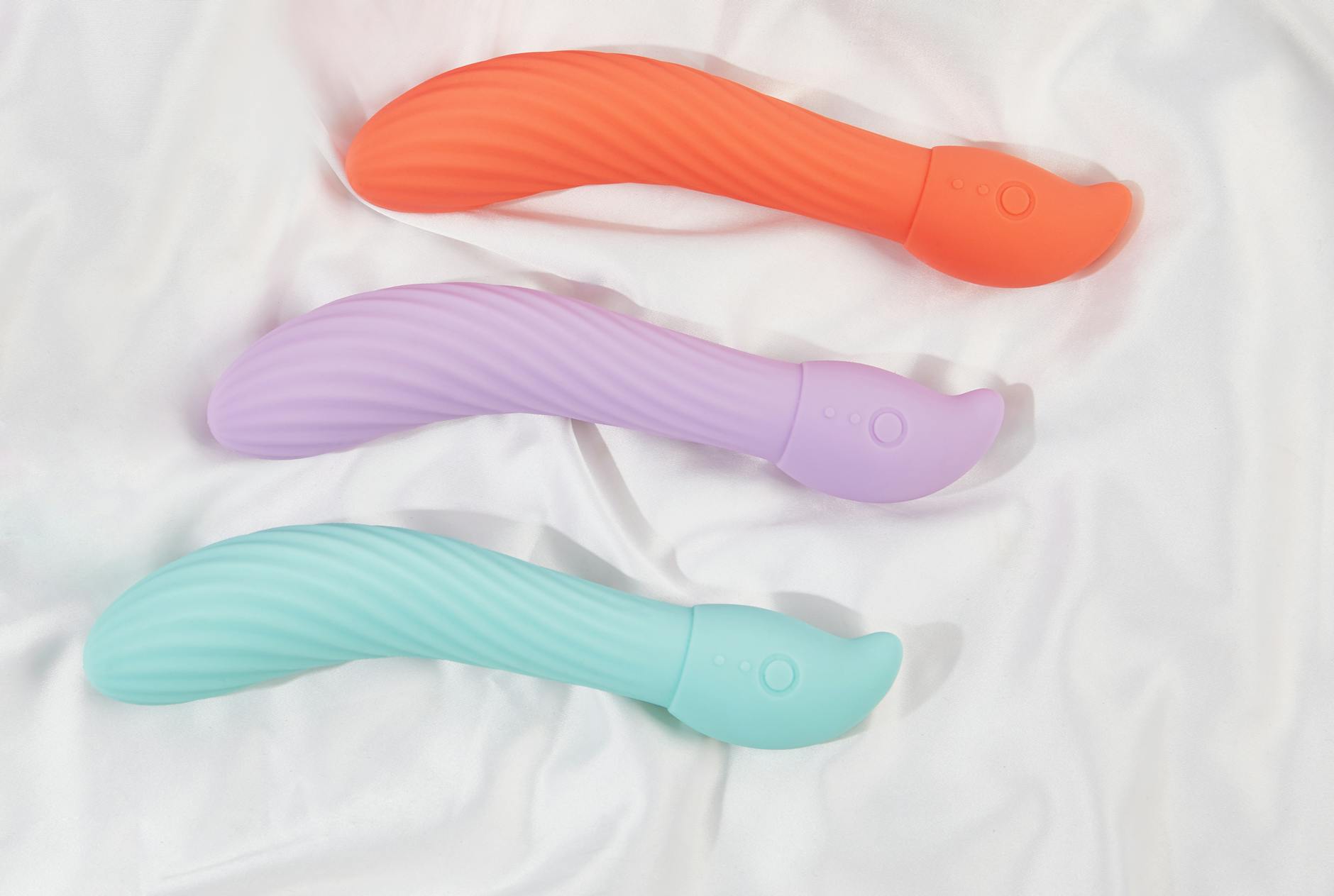
The lemon clitoral vibrator is compact, quiet, and designed specifically to deliver concentrated sensation that can be described and felt in real time. Air-pulsing technology (the core of Hello Nancy's approach) means the sensation is more responsive to your body's own arousal, which translates differently in conversation than, say, a generic bullet that goes from zero to sixty with no nuance.
Second, the lemon sucker's size and shape make it easy to use with your hands free or with a partner on video. You're not juggling a wand or contorting yourself into an awkward angle while trying to maintain eye contact on a screen.
Setting up the infrastructure
Before you even think about using a lemon vibrator together, you need three things locked down.
First: a secure channel. Your standard messaging app is fine for sexy banter, but if you're planning to get explicit on camera or over voice, consider a platform that defaults to encryption. Signal, Telegram, or even a private Discord server gives you the confidence to be fully present instead of anxious about screenshots.
Second: timing synchronization. This is less romantic than it sounds, but it matters. A long-distance couple having sex at the same time, in real-time, is already lucky. Factor in time zones, work schedules, and the fact that arousal isn't always scheduled, and you'll quickly realize that "same time" might mean 9 p.m. your time and 2 a.m. theirs. Communicate about what windows actually work. Then protect them.
Third: explicit consent about content. Before you send a video or photo, even to your partner, decide together whether it's being recorded, stored, or deleted. This isn't sexy talk, but it's essential groundwork. I've seen relationships fracture over assumptions about digital privacy.
Building the ritual
The couples I work with who report the strongest long-distance intimacy don't just spontaneously have video sex. They create a container for it. Here's what that looks like.
Pick a recurring time. Once a week, twice a week, whatever works. Tell each other 24 hours in advance so you can mentally prepare and not approach it stressed or exhausted. Prepare your space: good lighting, door locked, phone on silent, no notifications.
Start the conversation clothed. Talk about your week, your body, what you're feeling. Then transition slowly. Undress together on camera if that feels right for you. Use your words. Describe what you're feeling as you touch yourself. Ask questions. "Are you watching me?" "What do you want to see?" This isn't about performing for an invisible audience. It's about narrating your own pleasure for someone you love.
When you introduce the lemon vibrator, do it gradually. The first time, maybe you just show it to your partner, explain how it works, let them watch you use it. Second time, they might be touching themselves while they watch. Third time, you're syncing it, narrating what each sensation feels like, letting them see your face and body respond in real time.
The emotional architecture
Here's what I tell couples: the actual orgasm is the least important part of long-distance intimacy.
I know that sounds strange, especially from a therapist who specializes in sexual health. But I've noticed that couples who focus on the mechanics (did we both come, did we sync up, did we use the toy correctly) often feel more disconnected afterward than couples who focus on presence.
When you're using a lemon vibrator together across distance, you're actually doing something remarkable. You're saying, "I want to share my pleasure with you. I trust you with my body. I'm choosing to be vulnerable with you in this moment." That vulnerability is the actual connection.
Pairs who report feeling closest after long-distance intimacy usually describe it in terms of attention. "My partner was so focused on me." "I felt really seen." "They asked what felt good." Not, "We both orgasmed." That distinction matters for long-term relationship health.
Practical troubleshooting
Here are the obstacles I see come up:
Mismatched arousal speed. One of you gets ready in five minutes. The other needs twenty. This is genuinely okay. The person who's ready first uses their lemon vibrator solo while you're warming up. No pressure. Then you join when you're there. It's not a race.
Tech failure. Your video freezes. Your connection drops. Your phone dies. It happens. Have a backup plan: maybe you switch to audio-only, or you agree to send a photo or message instead. The intimacy is happening in the intention, not the flawlessness of the execution.
One partner not as interested. Some people find long-distance video sex uncomfortable, and that's legitimate. A clitoral vibrator doesn't solve a mismatch in desire. If your partner is reluctant, the conversation you need isn't about lemon vibrators or settings. It's about what they actually need to feel connected to you. That might be a phone call instead of video. That might be sexts. That might be FaceTime without any physical element.
Guilt or pressure. You hear about other couples doing this and feel like you "should." Stop. Long-distance intimacy that works is intimacy you both actually want. There's no baseline.
When lemon vibrators help most
I've seen couples use clitoral vibrators in long-distance relationships most successfully when they're already sexually compatible and just physically separated. The toy doesn't fix a broken sexual dynamic. It doesn't manufacture desire that isn't there. What it does do is make real-time pleasure shareable in a way that, honestly, wasn't possible before this technology existed.
You can narrate the sensation of a lemon vibrator in ways you can't with a wand or a dildo. The air-pulsing technology is responsive enough that it feels less mechanical and more organic to your body. That responsiveness translates into better language and more genuine connection.
The bigger picture
Long-distance relationships are hard. But they're also an opportunity to build intentional intimacy instead of defaulting into routine. When you're separated, you can't have sex by accident or out of obligation. Every touch has to be chosen.
That's actually a gift.
Use a lemon vibrator, use your words, use video, use whatever tools help you stay connected. But remember that the tool is secondary. The real work is showing up, being present, and letting your partner see and feel your desire across whatever distance separates you.
That's what keeps couples together long enough to close the gap.
FAQ
Can I use a lemon vibrator during video sex if I'm shy on camera?
Absolutely. Start with the lights dimmed, or position your camera so only your hands are visible. Your partner doesn't need to see your full body for this to be intimate. Many people find it less vulnerable to show their hands working a vibrator than to show their face. As you get more comfortable, you can gradually adjust the framing or lighting. There's no "right" way.
What if my partner wants to use a lemon vibrator inside me during video sex, even though we're apart?
That's not physically possible across distance. What you might explore instead is you using the lemon vibrator on yourself (externally, on your clitoris) while your partner narrates what they'd like to do to you if they were there. Some couples find that fantasy-narration hybrid incredibly hot. Others use it as extended foreplay until they see each other in person again.
Are app-controlled lemon vibrators really better for couples?
Some lemon clitoral vibrators have app controls or remote features, which can add an element of power play. But they're not essential for long-distance intimacy. Honestly, a partner who's fully present and engaged, narrating what they're feeling or what they want, is hotter than a remote control. If an app makes you both feel more connected, great. If not, a regular lemon vibrator works just as well.
How do we actually talk about this without it being awkward?
Start by sending your partner a link to this article and saying, "I've been thinking about ways to stay closer while we're apart. What do you think about trying something like this?" That's vulnerable and clear at the same time. If they're into it, great. You can build from there. If they're hesitant, ask why. Maybe they need reassurance about privacy. Maybe they're not comfortable with video. Maybe they just need time to think. Listen without pushing.
Is long-distance intimacy actually as good as in-person sex?
It's different. Some people report that long-distance video sex feels more intense because of the attention and intention behind it. Others find it frustrating precisely because it's not in-person. Both reactions are valid. The best approach is to stop comparing and start appreciating what this version of intimacy actually offers: presence, conversation, and the chance to stay connected when physical connection isn't possible.
What if using a lemon vibrator together makes me feel less attracted to my partner?
That's worth exploring with a therapist, honestly. A sex toy shouldn't decrease attraction. If it does, it might be pointing to something else. Maybe you're not actually comfortable with long-distance intimacy and the toy is just highlighting that. Maybe there's a trust issue that needs attention. Maybe you're dealing with performance pressure. A good therapist can help you untangle what's really going on beneath the surface.
References
Much of the long-distance relationship research I've drawn on comes from Gottman Institute studies on emotional intimacy and the role of intentional connection in sustaining relationships across separation. The specific guidance about presence and vulnerability in sexual intimacy reflects both clinical experience and evidence from relationship therapy literature on what actually sustains long-distance couples. If you're interested in more structured frameworks for long-distance relationships, the Gottman Method offers excellent resources.