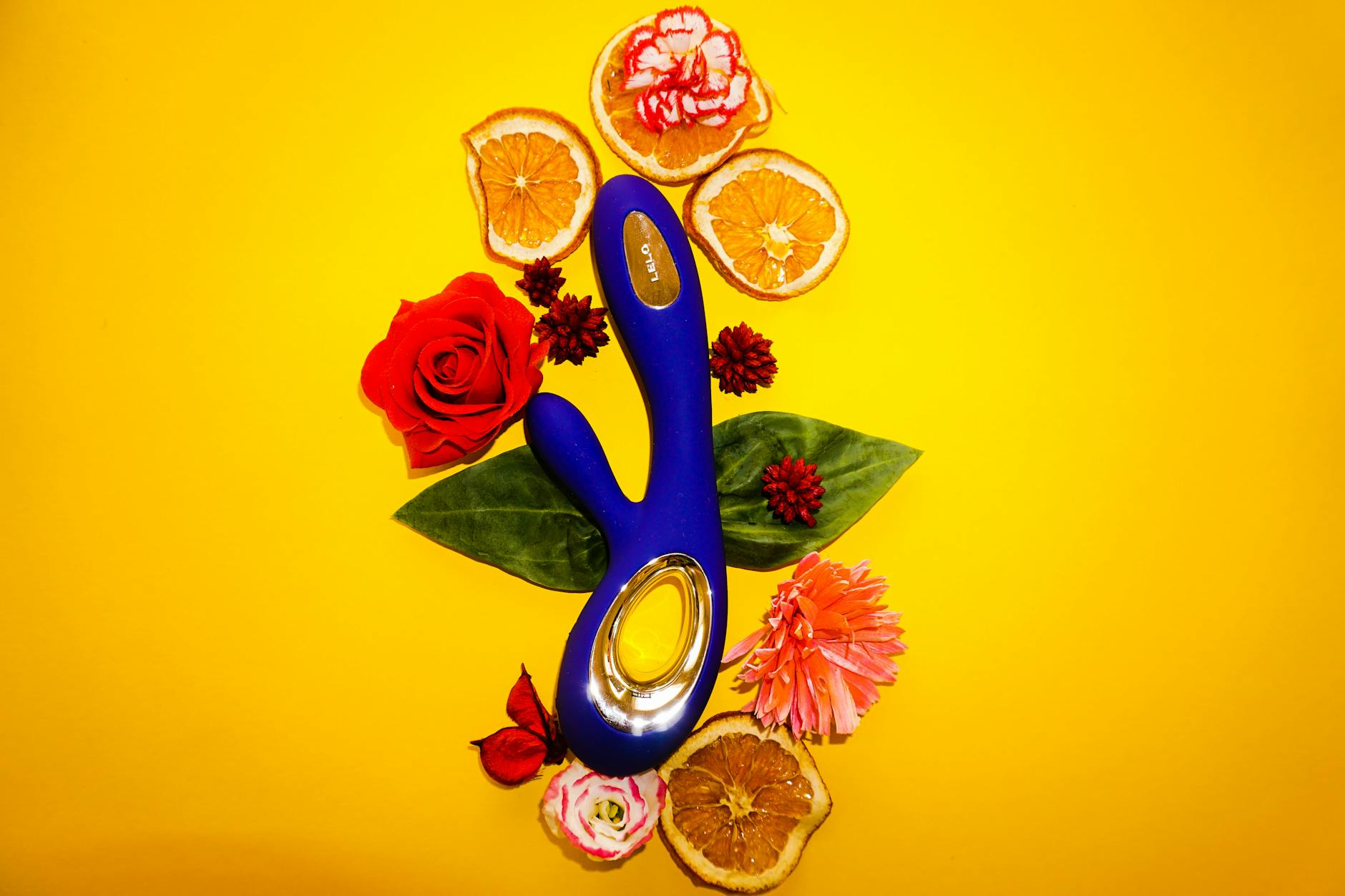
Hormonal shifts change the game. Here's what actually shifts.
Let's be real: hormonal changes mess with sensation. Birth control, perimenopause, pregnancy recovery, hormonal imbalances, medication side effects. The list is long, and the impact is real. But here's what nobody tells you clearly: sensation changing doesn't mean pleasure ending. It means recalibrating.
I work with people navigating this all the time, and the pattern is always the same. They assume their body is broken. It's not. Their body is just working differently now, and that requires a different approach. The good news? Lemon vibrators, with their suction-based design, adapt to these shifts in ways traditional vibrators often don't.
How hormones affect clitoral response
Your clitoral tissue is densely hormonal. Estrogen and progesterone regulate blood flow, tissue thickness, nerve sensitivity, and arousal speed. When those hormones shift, the physical mechanics change. You might notice: slower arousal, reduced natural lubrication, heightened sensitivity in some spots and numbness in others, different orgasm intensity or shape, or a completely shifted timeline for building pleasure.
The neural pathways don't change. Your brain still knows how to feel pleasure. What changes is the mechanical pathway to getting there. That's not a problem. It's just information.
When you're adjusting to hormonal shifts, you're not looking for the same stimulation that worked before. You're looking for stimulation that works now. Lemon vibrators designed for clitoral pleasure shine here because they use gentle suction and variable patterns rather than blunt vibration. This matters when your tissue is tender or when arousal needs a softer entry point.
Why suction works better during hormonal transitions
Traditional vibration sends consistent mechanical energy into tissue. When tissue is sensitive from hormonal shifts, this can feel too sharp or even painful. Suction, by contrast, creates a gentle pulling sensation that stimulates nerve endings without the same mechanical pressure. You're not pounding sensation in. You're drawing it out.
This distinction is why people using lemon clitoral vibrators during hormonal shifts often report discovering new pleasure zones or enjoying deeper, longer-lasting sensations. The gentler approach gives your nervous system time to wake up without overwhelming it.
Start with the lowest suction setting. Spend 10-15 minutes just exploring what sensation feels interesting. You're not trying to orgasm. You're gathering data about what your body actually wants right now.
Adjust your warm-up timeline
Hormonal shifts almost always slow arousal. This isn't a flaw. It's just a different rhythm. Instead of fighting it, restructure your entire pleasure session around it. Give yourself 20-30 minutes before you even reach for the toy. This means: music you actually enjoy, whatever foreplay matters to you, time spent breathing and tuning in rather than rushing.
Your nervous system needs more runway to take off. Respect that. When you finally reach for the lemon vibrator, your body will respond more readily because you've already built momentum. Rushing this step turns a hormonal transition into unnecessary frustration.
Match intensity to sensitivity fluctuations
Hormonal shifts create inconsistent sensitivity. Some days the tissue is tender. Other days sensation feels muted. Don't assume every session will be the same. Build a flexible approach.
On tender-tissue days: use patterns one through three on your device, lower suction settings, water-based lube even if you don't usually need it, and shorter sessions (10-15 minutes). On muted-sensation days: work your way up to higher patterns, use longer warm-up time, and consider combining the lemon vibrator with hand movement or external pressure.
Keeping a simple pleasure journal sounds excessive until you do it. Three lines: date, what you used, how it felt. After two months, patterns emerge. You'll notice which settings work best during different points in your cycle or medication schedule. This takes guesswork out of pleasure and puts you back in control.
Lubrication becomes non-negotiable
Many hormonal shifts reduce natural lubrication. This isn't because you're not aroused. It's biochemistry. Use lube without shame and without the story that it means something is wrong. Water-based lube works best with silicone devices and won't degrade your toy over time.
Apply lube to the device and your body before you start. Reapply halfway through if needed. Good lube transforms a session from uncomfortable to excellent. This is the easiest adjustment you can make, and it matters enormously.
Rebuild connection to your body's signals
When sensation shifts, many people disconnect from their bodies. The familiar pathway isn't there anymore, so they assume nothing is. This is where solo pleasure work becomes genuinely therapeutic. Using a lemon vibrator alone, without pressure to perform or produce a specific outcome, teaches your nervous system that pleasure still lives in your body. It just arrived at a new address.
Spend time exploring without a specific goal. What patterns feel good today? Does suction-only work better than patterns? Where do you feel sensation most acutely? This isn't performance. This is reacquaintance.
Many people tell me that rebuilding solo pleasure after hormonal shifts actually deepened their partnership sex too. When you know what your body wants, you can ask for it. That conversation alone changes the dynamic.
Communication with partners during transitions
If you're coupled, separate the conversation from the problem. "My body is responding differently" is not the same as "I'm not attracted to you" or "Something is wrong with us." But they get tangled all the time.
Name the hormonal shift out loud. Show your partner the patterns you've discovered. Let them see you exploring with your lemon vibrator if that feels right. Some partners actually find it hot. Others feel relieved to understand what's happening instead of guessing. Either way, information beats mystery.
Many couples find that partnered pleasure actually improves during hormonal transitions because everyone gets clearer about what actually feels good, not what's supposed to feel good.
When to seek additional support
If pain appears during pleasure, that's signal worth listening to. Hormonal shifts can sometimes trigger conditions like genitourinary syndrome or vulvodynia, both highly treatable. A gynecologist or sexual health specialist can help distinguish between normal adjustment and something requiring intervention.
If desire has completely disappeared and isn't returning after a few weeks, that's also worth discussing with your doctor. Some hormonal shifts do genuinely suppress libido in ways that need medical attention, not just a new toy.
But most hormonal shifts just need time, the right tools, and patience with your body's new map. A lemon vibrator is a spectacular tool for this because it adapts to gentle, exploratory pleasure without demanding intensity. Your pleasure didn't disappear. It just needs a different approach.
The reality: pleasure evolves, it doesn't disappear
I've worked with people through hormonal shifts that felt catastrophic in the moment. The pleasure they thought they owned had vanished. Or so they believed. What actually happened was their body changed, they panicked, and they stopped exploring.
When they came back to pleasure with curiosity instead of expectation, they found it. Different shape, sometimes. Different timeline, often. But genuinely pleasurable. Some people discover their most intense orgasms after hormonal transitions because they finally know how to listen to what their body actually wants instead of what it's supposed to want.
Your hormones shifted. Your capacity for pleasure didn't. The lemon vibrators and suction-based design work particularly well during these transitions because they meet your body where it is now, not where it used to be. That's not settling. That's actually smart.
People also ask
Can I use a lemon vibrator if I'm on hormonal birth control?
Absolutely. Birth control shifts sensation for many people. Some feel more responsive, others less so. A lemon vibrator works with whatever your current baseline is. Start with lower settings and adjust from there. If you notice pleasure changes when you switch birth control methods, that's normal. You might need to recalibrate your settings or warm-up time. Your toy adapts with you.
How long does it take to adjust to hormonal changes and pleasure again?
Three to six weeks is typical for basic adjustment. Your nervous system needs time to recognize new sensations and rebuild the pathway to arousal. Some people adjust in two weeks. Others take two months. You're not late if it takes longer. Consistency matters more than speed. Regular exploration, even 10 minutes a few times a week, accelerates the process significantly.
Should I use lube with a lemon vibrator if hormones affect my natural lubrication?
Yes, always. Water-based lube prevents friction that can feel uncomfortable on sensitive tissue during hormonal shifts. It also makes the suction sensation smoother and more pleasurable. Lube isn't a sign that something is wrong with you. It's a tool that makes the experience better. Use it liberally and reapply as needed.
What if I feel numb down there even with the lemon vibrator?
Numbness during hormonal shifts is common but treatable. Make sure you're using enough warm-up time, applying lube generously, and starting on lower suction settings. If numbness persists after three weeks of consistent exploration, talk to your doctor. Sometimes reduced sensation signals a medical issue worth addressing. Other times it's just a slower-than-expected adjustment. Either way, professional input helps.
Can I use a lemon clitoral vibrator right after giving birth or stopping hormonal medication?
Wait until you're cleared by your doctor for sexual activity, usually around six weeks postpartum or after initial recovery from any procedure. Once cleared, start gently. Your tissue has been through changes. Give yourself two to four weeks of very low-intensity exploration before increasing patterns or suction. Many people find that starting with hand exploration first, then adding the lemon vibrator after another week, makes the transition smoother.
Will my pleasure come back the same as before?
Sometimes, yes. Often, no. And that's actually good news. Many people discover that recalibrating after hormonal shifts leads to fuller, more conscious pleasure because they've finally learned to tune in. The destination is different than you expected, but frequently better. Stay curious instead of attached to recreating the old experience. Your body's asking you to pay attention now. That's worth it.
The bottom line
Your body adapted to hormonal shifts. Now your pleasure routine gets to adapt with it. A lemon vibrator's gentle suction approach makes this transition smoother than traditional vibration because it works with sensitivity rather than against it. You're not recovering lost pleasure. You're discovering what pleasure actually feels like now. That's not a downgrade. It's an upgrade you just haven't fully inhabited yet.
Start with lower settings. Add more warm-up time. Use lube without hesitation. Explore solo before adding a partner to the mix. Journal what works. Most importantly, stay curious instead of catastrophizing. Your pleasure is still in there. It just rewired itself. And honestly? It's usually better on the other side.