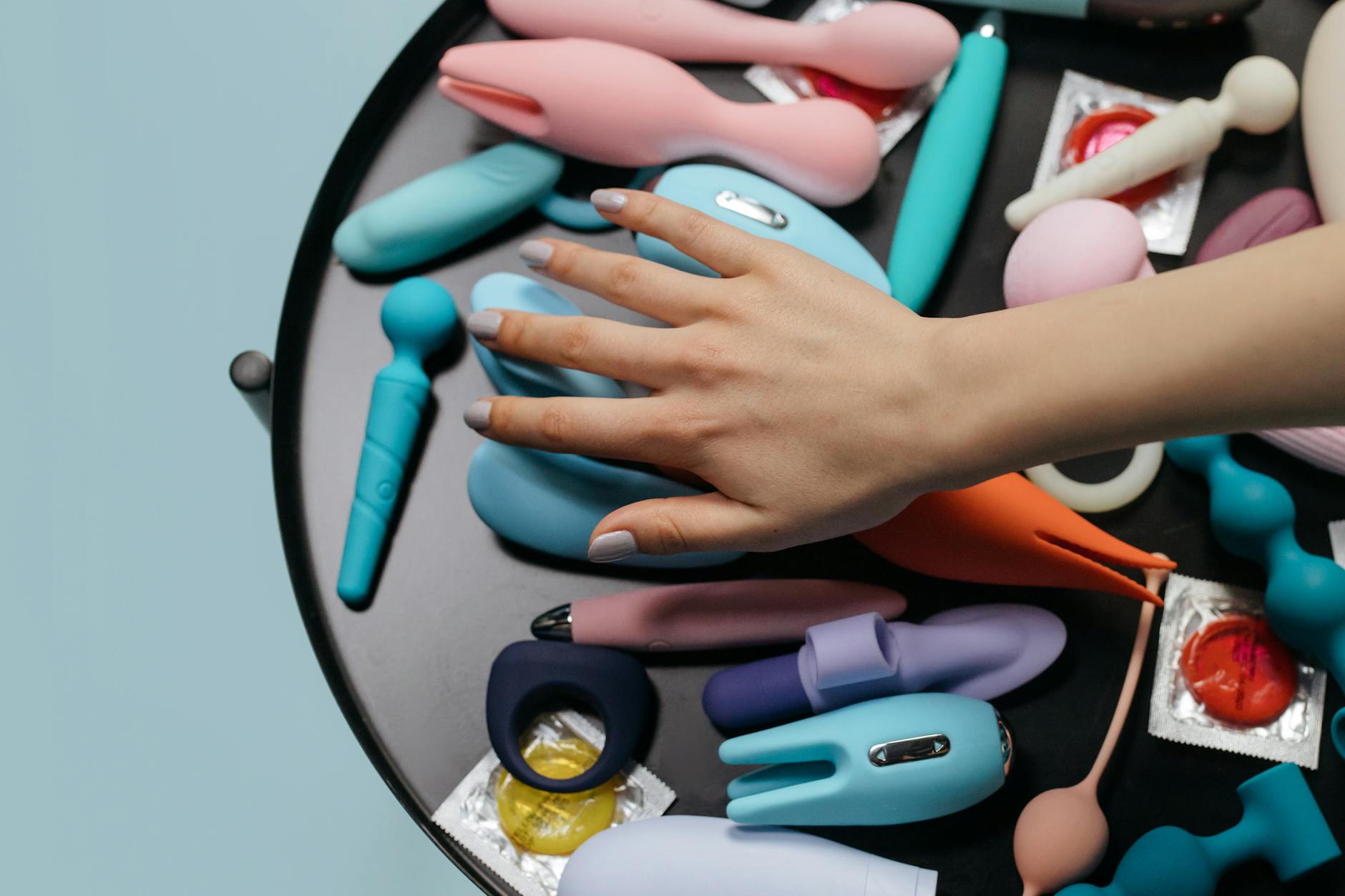
How to Use a Lemon Vibrator When You Want to Rebuild Pleasure After Years of Disconnection
Here's the thing about emotional distance
When you and a partner have drifted for years, the distance doesn't just live in the relationship. It lives in your body. Pleasure stops being something you expect, and your nervous system learns to stay guarded. Even when you're ready to reconnect, your body doesn't always get the memo.
I work with a lot of couples in this exact position. One or both partners want to rebuild intimacy, but the pathway back feels blocked. Sex happened for years without real connection. Now connection is happening, but sex feels like starting from zero. Or worse, like admitting you want something you learned to stop wanting.
A lemon clitoral vibrator isn't magic. But it's a tool that makes rebuilding easier because it sidesteps the performance pressure that often keeps couples stuck.
Why reconnection is harder than you think
When emotional distance has stretched over years, your body often adapts by dampening sensation. This isn't weakness. It's a reasonable protective mechanism. If intimacy felt unsafe or one-sided for long enough, numbness becomes your baseline. Arousal takes longer to build. Orgasm feels distant or impossible. You might even feel guilty enjoying pleasure when the relationship felt disconnected.
Then something shifts. You go to therapy together, or you just both get tired of the wall. You want to try again. And suddenly you're expected to flip a switch that's been off for years.
It doesn't work that way.
The role of a clitoral vibrator in rebuilding
A lemon vibrator works differently than your usual toys or partner touch because it creates a specific, consistent stimulus that your nervous system doesn't have to anticipate or defend against. There's no performance element. No one's watching. No one's rhythm to match.
When you've been disconnected, this matters enormously. You get to explore what your body actually wants without the weight of someone else's desire or expectation. That solo reconnection is often the bridge back to partnered pleasure.
For people rebuilding after disconnection, I typically recommend starting solo. Not because partner touch is wrong, but because it removes a layer of vulnerability while you're still learning to trust your own body again.
Three phases of reconnection with a lemon vibrator
Phase 1: Permission and exploration (Week 1-2)
Start by using your lemon vibrator alone, with no goal except to feel what you feel. Lower settings on patterns 1 or 2. The point isn't intense pleasure yet. It's relearning that pleasure is accessible to you.
Many people rebuilding from disconnection carry shame about wanting this. They feel selfish for wanting pleasure when the relationship was struggling. Or they feel angry at their partner for years of emotional distance and feel guilty wanting to enjoy sex again.
Honestly, these feelings are normal. And they're worth naming, ideally with a therapist, because they'll keep you numb if you don't.
Phase 2: Sensation and patience (Week 3-4)
Once you've given yourself permission, you can start exploring slightly longer sessions. 10-15 minutes. Still solo. You're not chasing orgasm. You're noticing what happens when you give your body sustained attention.
Some people experience intense sensation right away. Others find that pleasure builds very slowly after years of numbness. Both are fine. You're re-establishing a conversation with your own nervous system. That takes time.
This is where many people get impatient. They think they should be feeling fireworks by now. You won't, necessarily. You might feel a subtle warmth, or a slow build, or just a sense of relief that your body is responding at all.
Phase 3: Integration with your partner (Week 5+)
When you've spent a few weeks reconnecting solo, you can bring your partner into the picture if you both want that. This looks different for every couple. Some people use the vibrator during partnered sex. Some show their partner what works for them. Some use it while their partner touches them in other ways.
The key is that your partner isn't watching to validate anything. They're present because you invited them into something you've already learned to enjoy.
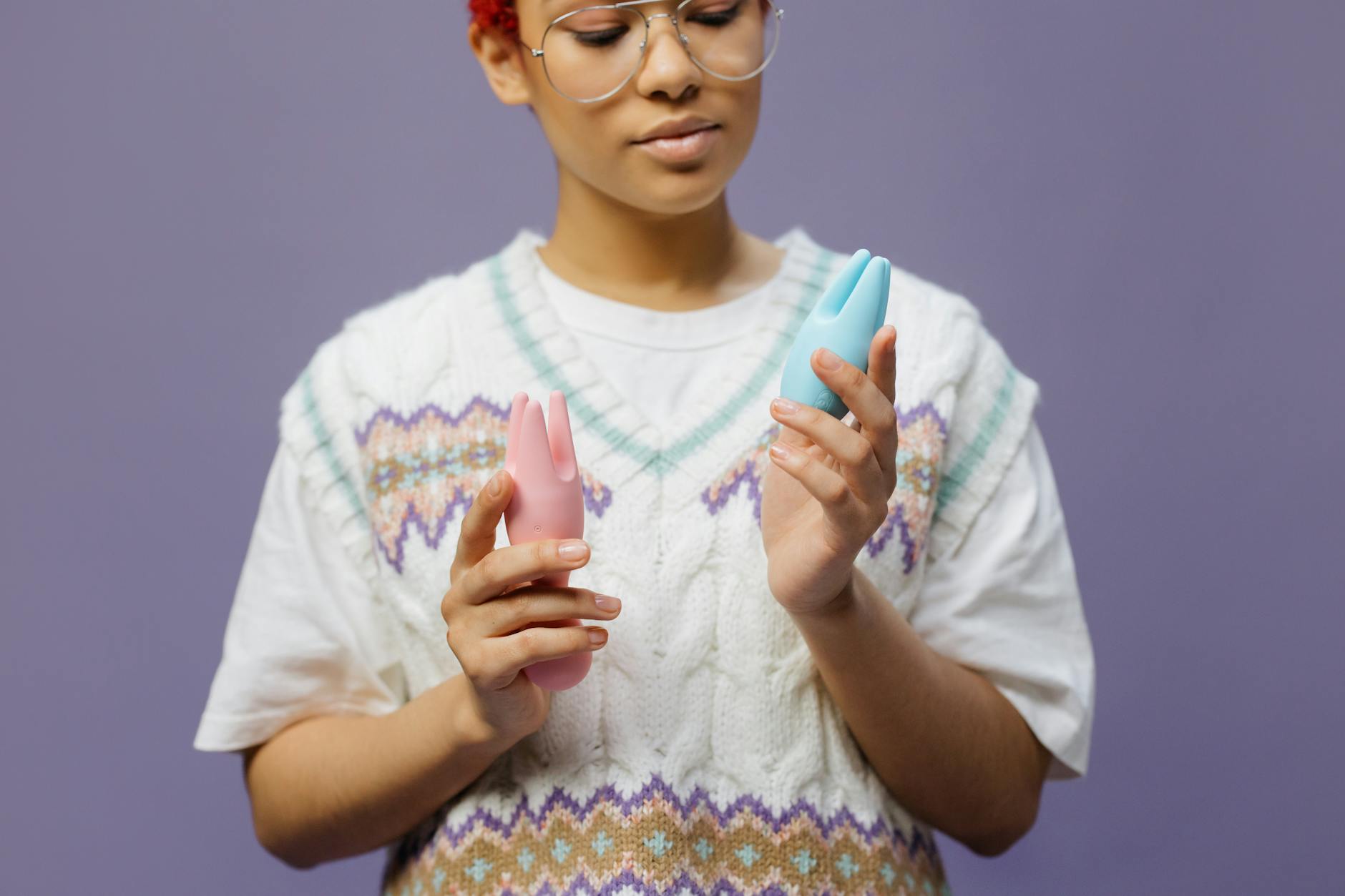
Photo by cottonbro studio on Pexels
Practical logistics that actually help
You're rebuilding trust with your body and maybe with your partner. So the environment matters.
Privacy and time. You need at least 15-20 minutes where you're genuinely alone. Not rushing. Not listening for your partner to come home. Disconnection thrives on scarcity and interruption. Rebuild in the opposite.
Lube. After years of emotional distance, arousal might take longer to show up physically. Water-based lube makes everything easier and removes the pressure to be "naturally lubricated" on someone else's timeline. Lube is permission. Use it without overthinking.
Minimal distractions. Phones on silent. Bedroom door locked if you live with others. You need your nervous system to feel genuinely safe. Any part of your brain that's monitoring for interruption will keep you numb.
Temperature and comfort. Warm room, comfortable surfaces. This might sound basic, but people often underestimate how much physical discomfort keeps you out of your body. You want every condition to say "this is for you."
The conversation piece (with your partner, if applicable)
If you're in a relationship and rebuilding together, you need to talk about this before and after you start using a lemon vibrator. Not during sex. A separate conversation.
What to say: "I've been thinking about ways to reconnect with my own pleasure. I want to use a vibrator on my own for a while to remember what my body likes. This isn't about anything being wrong with you. It's about me rebuilding something I lost."
If your partner feels threatened by this, that's information worth sitting with. Sometimes it points to lingering insecurity about the reconnection process. Sometimes it points to deeper control issues. Either way, a couples therapist can help you navigate it.
If your partner is supportive, you might ask them to check in with you weekly. Not to manage the process, but to hear how it's going. That conversation itself can be a form of intimacy.
When to reach for your lemon vibrator versus when to pause
Use it when you're genuinely curious or wanting to reconnect with sensation. Don't use it when you're trying to prove something or force yourself to feel something that isn't there.
Pause if you're using it to avoid conversations that need to happen with your partner. A vibrator is a tool for pleasure, not a substitute for fixing broken communication.
Also pause if physical sensation feels genuinely painful or distressing. Sometimes reconnection work needs to happen slower, or with a therapist's guidance. That's not failure. That's wisdom.
The mindset shift that changes everything
After years of disconnection, pleasure can feel selfish or dangerous or frivolous. You might feel like you don't deserve it. Or you might feel like wanting pleasure again means you're betraying the hurt that happened.
Here's what I know from decades of working with couples: reclaiming your own pleasure is one of the most powerful ways to rebuild a healthy partnership. When you remember that you deserve sensation and joy, you stop tolerating less from your partner. You show up differently. You stop accommodating disconnection because you've remembered what connection actually feels like.
Using a lemon vibrator alone, with permission and patience, is part of that reclamation. You're not being selfish. You're rebuilding the foundation that actual intimacy needs.
People also ask
How long does it typically take to rebuild sensation after years of disconnection?
There's no fixed timeline. Some people feel noticeable shifts in 2-3 weeks. Others take months or longer. How you experienced the disconnection matters. If it was emotionally painful or involved betrayal, your nervous system might take longer to trust that pleasure is safe. A therapist can help you move through this faster, but rushing it rarely works.
Is it normal to feel guilty using a vibrator when I'm in a relationship?
Completely normal. Many people in couples carry a belief that pleasure should come from their partner or it's somehow disloyal. That belief often intensifies after disconnection because there's already shame about the broken intimacy. But pleasure is yours. Using tools to access it isn't infidelity. It's self-care. If guilt persists, that's worth exploring with a therapist or counselor.
Can I use a lemon vibrator with my partner right away, or should I always start solo?
If you've been disconnected for years, starting solo typically works better. It removes the performance pressure and lets you reconnect with your own body without managing your partner's feelings. That said, some couples do it together from the beginning. You know your dynamic. If partnered exploration feels genuinely safe and low-pressure, that can work too.
What if my partner feels threatened or jealous about the vibrator?
That's a conversation worth having, ideally before you start. Sometimes jealousy points to insecurity that couples therapy can address. Sometimes it points to control patterns that are part of why disconnection happened in the first place. Either way, you deserve to have your pleasure without your partner's discomfort stopping you. A couples therapist can help you both move through this.
How do I know if reconnection is actually happening, or if I'm just going through the motions?
Reconnection shows up as curiosity instead of obligation. You find yourself thinking about pleasure again. You notice wanting your partner's touch. You laugh more easily. You feel less defended. These are subtle shifts, not dramatic ones. If you're still feeling flat or numb after several weeks of solo exploration, that might mean you need additional support from a therapist who specializes in trauma or relational disconnection.
Is it okay to use a lemon vibrator if I'm also working on my relationship with a therapist?
Absolutely. In fact, a therapist who specializes in sexuality and relationships often recommends exactly this. Rebuilding pleasure and rebuilding emotional connection aren't separate processes. They're two parts of the same reclamation. Your therapist might have specific guidance based on your situation, but generally this kind of solo exploration is part of healthy reconnection work.
Reconnection isn't linear
Some days you'll feel your pleasure again and it will feel like progress. Other days you'll feel numb and wonder if you've lost ground. Both are normal. Your nervous system has been protecting you for years. It won't flip into trust mode overnight.
What a lemon vibrator does is create a consistent, non-threatening way to practice reconnection. Over time, practice rewires your nervous system. You start to expect pleasure again. You start to believe you deserve it.
That shift, once it happens, changes everything. Not just in your solo exploration, but in how you show up with your partner. You become less apologetic about wanting pleasure. Less accommodating of disconnection. Less willing to shrink yourself to keep the peace.
You become more alive.
If you're ready to start this work, give yourself permission to move slowly. There's no timeline. There's just your body, learning again that it's safe to feel good. That's enough.