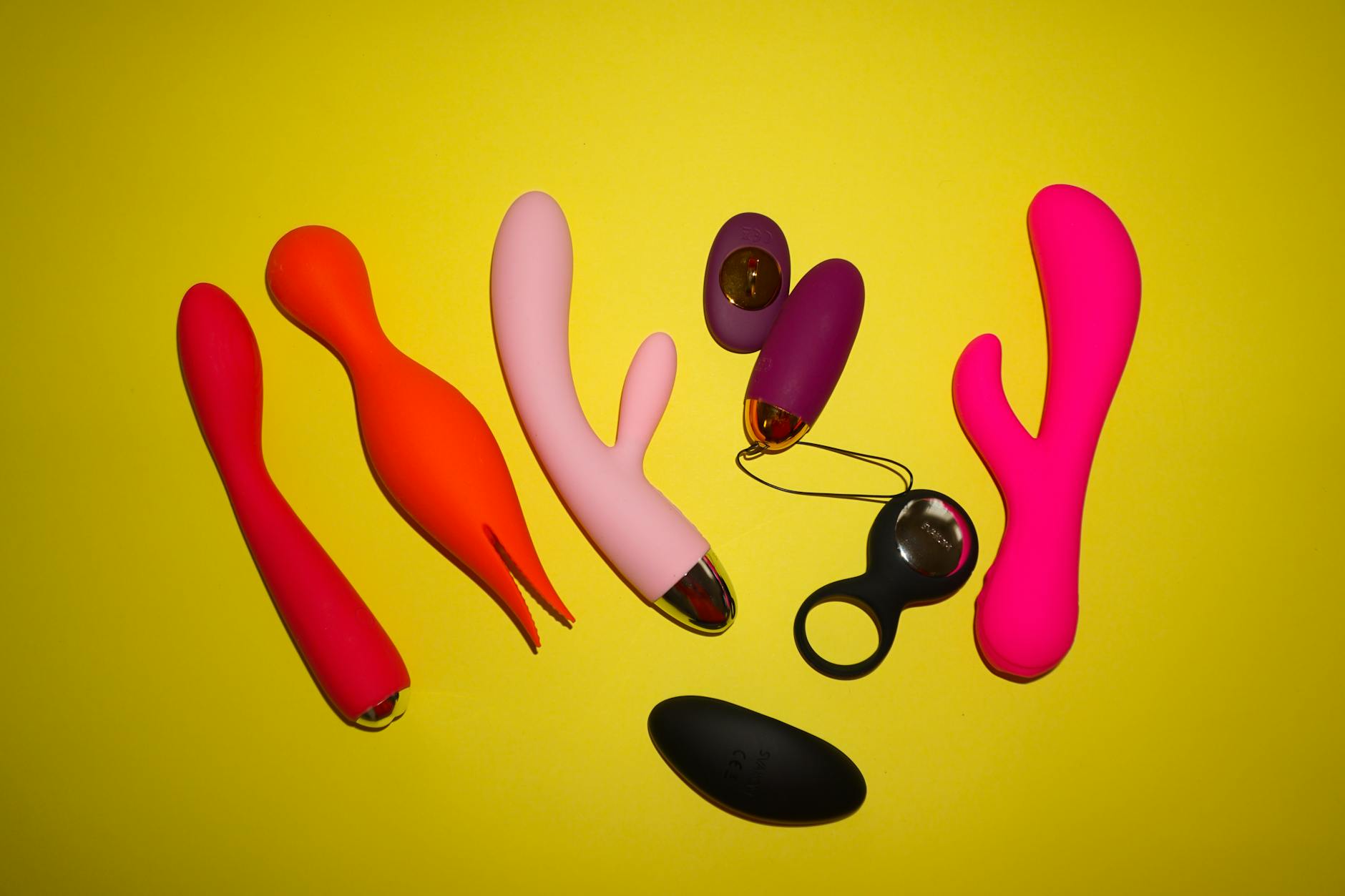
The thing nobody tells you about depression and desire
Depression doesn't just make you sad. It murders your ability to feel pleasure, period. That flat, grey numbness extends to your body just as much as your mind. And if you've been depressed long enough, you might have forgotten what desire even feels like. That's not weakness. That's neurobiology.
When depression lifts, the return of pleasure isn't automatic. It's not like flipping a switch. Instead, it's more like learning to feel your body again after a long anaesthetic. Some days that happens naturally. Other days, it takes deliberate, gentle practice. A lemon vibrator can be a useful tool in that practice, but only if you approach it without pressure.
Why depression kills desire (the science part)
Depression tanks dopamine and serotonin. Those chemicals don't just regulate mood. They're the foundation of sexual desire, arousal, physical sensation, and the capacity to feel pleasure. When they're depleted, your brain literally stops sending the signals that would normally make touch feel good. Your body might respond to stimulation, but the sensation arrives muted, distant, or absent entirely.
Medications that treat depression can also affect desire and orgasm. SSRIs especially are notorious for this. That's not a reason to stop taking them. It's a reason to know what you're dealing with and to talk to your prescriber if numbness is significant.
The recovery timeline varies wildly. Some people regain sensation within weeks of mood lifting. Others need months. And some need to actively, gently rewire their body's response to touch. That's where intention comes in.
The pressure problem (and why it matters)
Here's what doesn't work: deciding you "should" feel pleasure again and white-knuckling your way toward an orgasm. That approach backfires spectacularly. Your brain is already depleted. Adding performance pressure transforms a potential form of healing into another task you're failing at.
Instead, the goal is radically different. You're not trying to come. You're not trying to prove you're "fixed." You're simply rebuilding the neural pathways between touch and pleasure. That happens through curiosity and gentleness, not through goals.
How to start: the no-pressure setup
First, pick a time when you have privacy and zero obligations afterward. No rushing to work. No partner expectations. Give yourself at least 30 minutes, but know that "success" might look like 10 minutes of exploration followed by stopping because it doesn't feel good yet. That's fine.
Second, set the physical environment. Warmth helps. Depression often comes with emotional numbness that feels physical. A heated blanket, a warm bedroom, or even a hot shower first can help your body feel more present. Dim lighting, a space that feels safe. Nothing extreme. Just slightly nicer than your default.
Third, use lube. Even if your body would normally self-lubricate, depression and certain medications dry things out. Water-based lube eliminates friction that might feel uncomfortable and keeps the focus on sensation rather than mechanical effort. A lemon clitoral vibrator works best when there's glide.
Starting with the lemon vibrator: the actual practice
A lemon vibrator, with its suction and pulsing patterns, is gentler than many toys for bodies coming back from depression. The suction works through the tissue without requiring direct stimulation on already-numb nerve endings. You're not trying to feel an intense buzz. You're trying to feel anything at all.
Start at pattern 1 or 2. The lowest setting. Hold it against the clitoris with light pressure. Don't press. Just touch. The point isn't intensity. The point is sensation. You might feel nothing for the first few minutes. That's normal.
If you feel something, notice it without judgment. Warmth? Tingling? A dull throb? Weirdness? All of those count as reconnection. If you feel nothing, that's information too. It tells you that you need more time, or a different approach, or that today isn't the day.
The session ends whenever it feels right. Ten minutes. Five minutes. An hour. There's no winning condition here. You're not trying to orgasm. You're not trying to get "aroused." You're trying to create a space where your body can slowly, safely remember what pleasure feels like.
Patience with sensation that might surprise you
As you come back to pleasure, be ready for strange things. Orgasms that feel distant or delayed. Sensation that comes in waves instead of building steadily. Arousal that disappears mid-session and returns an hour later. Crying during pleasure, or feeling nothing except relief that you felt something at all.
None of these are wrong. Depression recovery isn't linear, and your body's reawakening isn't either. Some days will feel promising. Others will feel like you're back at zero. You're not. Neural rewiring is cumulative even when it doesn't feel that way.
Many people find that solo exploration using a lemon clitoral vibrator is actually easier than partnered sex during recovery. There's no pressure to perform, no one's timeline but your own, no anxiety about whether you're taking too long. That safety is therapeutic in itself.
Building consistency without obsession
The magic happens through gentle repetition, not through intensity. If using your lemon vibrator twice a week for 10 minutes feels sustainable, that's the right frequency. Once weekly is fine too. The trap is creating another "should" that adds guilt to an already heavy time.
Keep a loose journal if it helps. Nothing detailed. Just: "used vibrator, felt tingling in clitoris" or "tried but felt numb, that's okay." Over weeks, patterns emerge. You'll notice sensation returning. You'll notice the session that suddenly feels good. You'll notice the week when you actually want pleasure again, not just feel obligated to pursue it.
When to bring a partner in
If you're partnered, you don't need to involve them right away. Solo exploration is valid and often protective. But when you're ready, having them present (without touching, without expectation) can feel connecting. Some people find it helps to say: "I'm rebuilding sensation. I'm not trying to have an orgasm. I'm not trying to perform. I'm just exploring."
A partner who understands that this is healing work, not entertainment, will hold space without pressure. And if your partner can't do that, that's a separate conversation you might want to have with a therapist.
Managing expectations about timeline
You didn't lose pleasure overnight. You won't get it back overnight either. If depression lasted six months, rebuilding might take three to six months of gentle, consistent practice. If it lasted years, plan for a longer timeline. That's not failure. That's realistic recovery.
The first sign of return is often subtle. Not a dramatic orgasm. Maybe just a moment where touch felt alive instead of numb. That moment matters. It means the rewiring is working.
FAQ: Rebuilding pleasure after depression
Is it normal to feel nothing when using a lemon vibrator after depression?
Completely normal. Depression flattens sensation across your whole body, not just sexually. The numbness you feel with a toy is the same numbness you might feel when eating your favorite food or hearing a song you love. It takes time for those neural pathways to wake up. Keep going gently, without judgment.
Can I use a lemon vibrator while still taking antidepressants?
Absolutely. Your medication is helping. Some SSRIs do affect sexual sensation, and that's worth discussing with your prescriber, but stopping medication isn't the answer. Using a toy while medicated is safe and can actually help rebuild the neural associations between touch and pleasure despite medication-induced numbness.
How often should I use my lemon vibrator during recovery?
Start with what feels manageable. Twice a week is good. Weekly is fine. The goal is consistency without pressure. If you're forcing yourself, it stops being healing and becomes another obligation. Listen to your body's actual desires, not what you think you should want.
What if I feel shame or guilt about using a lemon vibrator?
That's also part of depression's shadow. Shame often lingers after mood lifts. Gentle counter-evidence helps. Each time you use your vibrator without harm, you're building new information: pleasure is safe, your body is safe, wanting sensation is normal. A therapist can help with the shame piece if it's significant.
Can I combine lemon vibrators with other recovery practices?
Yes. Solo pleasure practice works well alongside therapy, medication, movement, and other healing. It's one tool in a toolkit. Some people find that gentle yoga or walking helps them feel more embodied before using a vibrator. Others use warm baths. Experiment and see what combination helps you reconnect.
How do I know when I'm ready to involve a partner?
When the idea feels genuinely appealing, not obligatory. When you've had at least a few sessions where sensation returned. When you feel ready to communicate boundaries clearly. There's no timeline. Some people take months before inviting a partner back into sexual space. That's healthy caution, not failure.
Moving forward: reconnection as practice
Rebounding desire after depression is real work. It's not something you think your way out of. It's something you practice back into your body, one gentle session at a time. A lemon vibrator can be a useful part of that practice because it's simple, non-judgmental, and effective even when sensation is muted.
Your pleasure matters. Your body's capacity to feel matters. And the slow, patient work of rebuilding both is worth the time it takes. You're not trying to get "back to normal." You're building something better. Normal depressed you. Better you is coming back online, slowly, with intention.
If you're struggling with desire or depression, talking to a therapist who understands both is valuable. If you want to explore this more, feel free to reach out.
You deserve to feel good again. The path there is patience, gentleness, and permission to move at your own pace.