
Here's what nobody tells you about toys and closeness
Introducing a vibrator into your intimate life with a partner isn't about fixing anything. It's about creating a space where both of you can be present without performing. That sounds simple. It's not.
Most couples treat toys as an add-on, something that happens after the "real" stuff. But what if the toy became the centerpiece? What if using a lemon vibrator together became the conversation you've been needing?
Why couples avoid bringing toys into bed
I hear this constantly in my practice. Someone wants to introduce a clitoral vibrator but doesn't know how without creating distance or shame. The fear is real: "Will my partner feel replaced? Will they think I need it because they're not enough?"
These are code for a deeper question: Can we talk about what we actually want without judgment?
The truth is that toys don't replace intimacy. They reveal it. When you use a lemon vibrator with a partner, you're both saying yes to curiosity, to novelty, to the idea that pleasure is worth exploring together. That act of saying yes is where the connection happens.
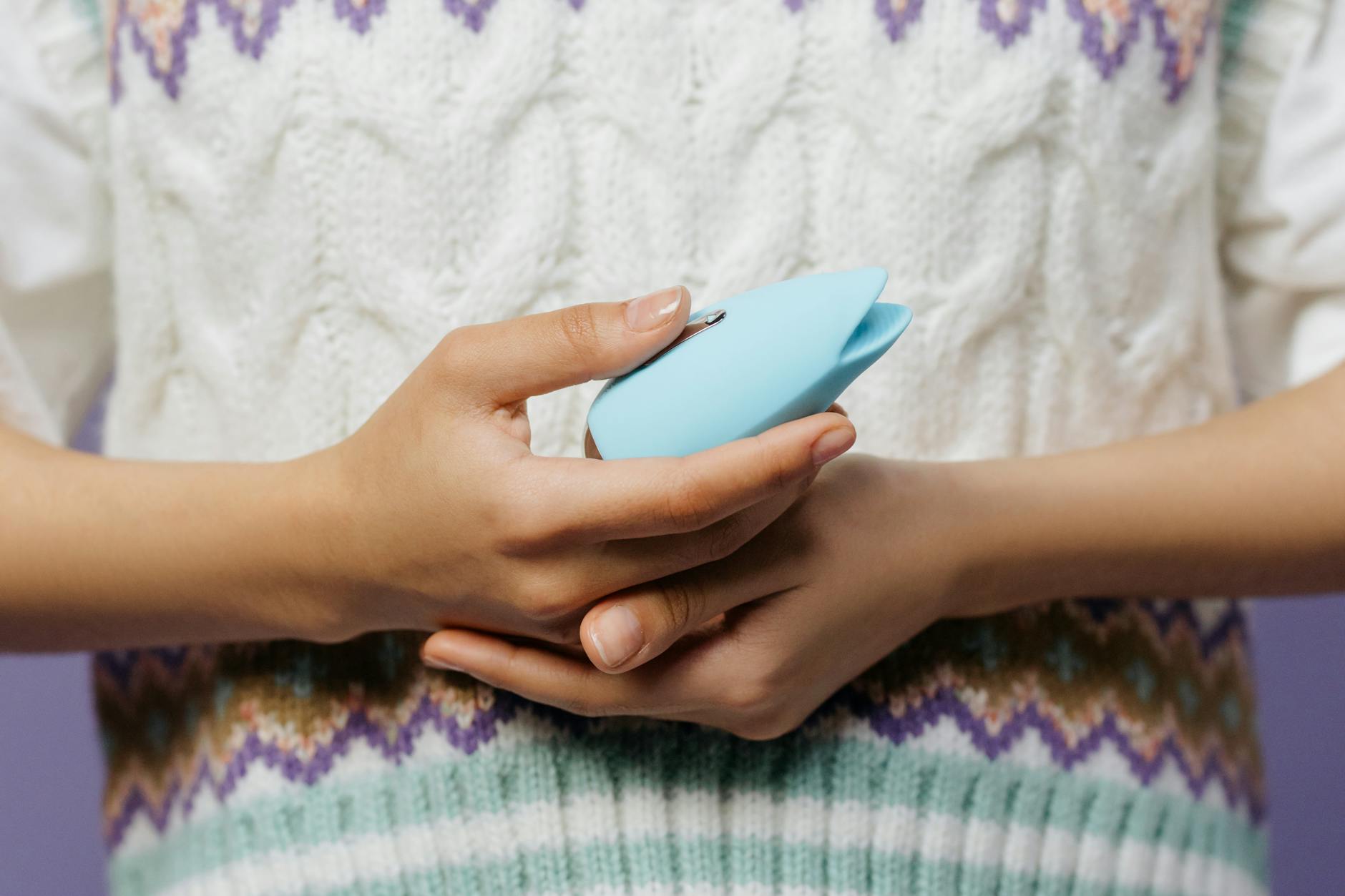
Photo by cottonbro studio on Pexels
The conversation that comes before the vibrator
If you've never introduced a toy to your partner, the vibrator isn't the starting point. The conversation is.
Don't ambush them with it. Don't leave it on the nightstand like a hint. Instead, choose a moment outside of sex when you're both relaxed and clothed. Say something like: "I've been thinking about trying something new in bed, and I'd love to explore it with you. Would you be open to that?"
Then pause. Let them respond. Don't fill the silence with explanations or reassurance. If they ask what it is, tell them honestly. "A lemon vibrator. It's a clitoral toy that creates specific patterns of sensation. I want to try it not because anything's missing, but because I think we could have fun together."
The phrase "have fun together" matters. It reframes the toy from fix to adventure.
Establishing boundaries and expectations
Before the lemon vibrator goes anywhere near the bedroom, you and your partner need aligned expectations. This is unsexy to talk about. It's also the best thing you can do for actual eroticism.
Ask each other: What role do you want the vibrator to play? Is it for solo exploration while your partner watches and touches you elsewhere? Is it incorporated into foreplay? Do you both want to use it on each other? Are there patterns or intensities that feel like too much?
Write nothing down. Just talk. The point is that you both know where the other person stands. Unspoken assumptions are how couples end up feeling disconnected right in the middle of intimacy.
One practical boundary that helps: agree that either of you can pause or stop at any time without explanation or hurt feelings. The vibrator is a tool in service of mutual pleasure, not a performance requirement.
The first time using a lemon vibrator together
Start slow. This is not the time to explore every pattern on a lemon clitoral vibrator at high intensity. You're not gathering data. You're gathering information about how you and your partner respond when you're both present.
Here's how I recommend structing the first time:
Begin with extended foreplay. Touch, kiss, build arousal the way you normally would. No vibrator yet. The goal is to arrive at the moment of introducing the toy when you're already connected, not cold.
When arousal is present, bring out the lemon vibrator. Start at the lowest setting. Let your partner touch it, hold it, see it in action. Some partners find this visual moment important. They're checking in: "Okay, this is real, this is happening, and it's not threatening." Honor that check-in.
Guide it to your clitoris slowly. Your partner might hold it, or you might. There's no one way. What matters is that you're narrating your experience: "That feels good," or "A little lighter," or "I want to feel you touch my chest while you do this."
Your partner's job isn't to operate the toy perfectly. It's to pay attention. To notice what happens in your body, your breathing, your sounds. That attention is the intimacy.
What deeper connection actually looks like with toys
Here's what shifts when you use a clitoral vibrator with real intention. Most of my couples report one of two things happening:
First, the person with the vibrator feels truly seen. There's nowhere to hide when someone is watching your body respond, learning your pleasure in real time. This vulnerability, when met with genuine attention and zero judgment, builds a kind of trust that's hard to manufacture any other way.
Second, the partner holding or watching the vibrator often reports feeling more connected, not less. They're not being replaced. They're being invited into something intimate. They get to witness and participate in your pleasure, which is different from just providing it themselves.
Some partners cry the first time. Some laugh. Some just feel present in a way they haven't in months or years. None of this is weird. This is what happens when you slow down enough to actually be together.
Managing intensity and staying present
One thing I tell couples: if you're using a lemon vibrator and suddenly you're zooming toward orgasm at lightning speed, that's actually a signal to slow down, not speed up.
Why? Because the goal here isn't the fastest route to orgasm. It's presence. If you're barreling toward climax and your partner is just watching the show, you've lost the connection.
Instead, when you feel intensity building, pause. Pull back slightly. Turn to your partner. Make eye contact. Touch their face or their chest. Remind yourself that they're here, that this is shared.
This rhythm of intensity and presence, repeat, is what separates using a vibrator alone from using it together. You're not just chasing sensation. You're alternating between sensation and connection. That's the whole point.
Communication during and after
Talk during. It sounds awkward on paper. In practice, it's sexy. "That's so good," or "A little to the left," or "Keep doing exactly that" grounds both of you in the moment. You're not having sex at each other. You're having sex with each other.
After, talk more. Not immediately. Cuddle first, breathe, stay close. But in the next hour or day, revisit it: What did you like? What felt different? Did anything feel off? Would you do it again?
This debrief is where couples solidify the connection. You're not critiquing. You're reflecting together on an experience you shared. That's intimacy work.
When to reach out for support
If you've tried using a lemon vibrator together and it felt awkward, disconnected, or loaded with weird tension, that's data too. It often means something else is happening beneath the surface. Maybe there's resentment about mismatched desire. Maybe one partner feels pressured. Maybe you're both distracted.
Toys don't create problems. They illuminate them. If the vibrator experience felt off, that's not a reason to abandon toys. It's a reason to talk about what's actually going on.
If you find yourselves stuck in that conversation, that's what a couples therapist is for. A clitoral vibrator can be a doorway to deeper intimacy, but only if you're both willing to walk through it honestly.
Using a lemon vibrator with your partner isn't about being more adventurous or more sexy. It's about choosing presence. It's about saying, "Your pleasure matters to me, and mine matters to you, and we're both willing to stay present for that." Everything else flows from there.
People also ask
How do I know if my partner will be receptive to using a vibrator together?
You ask. Outside of sex, in a calm moment, with genuine curiosity instead of pressure. Pay attention to their response: Are they curious? Defensive? Uncertain? Excited? Their tone tells you more than their words. If they say no, that's information. Respect it. If they say yes but seem hesitant, check back in. "I want to make sure you actually want this, not that you're doing it for me." Consent that feels coerced isn't real consent, and it tanks intimacy fast.
What if I use a lemon vibrator alone sometimes and want to bring that into partnered sex?
That's actually ideal. You already know what sensations work for your body. The question is whether your partner wants to learn that with you or just observe. Either is fine. Some couples like the person with the vibrator to narrate what they usually enjoy solo, then explore how it feels different with a partner present. That combination of self-knowledge and shared experience tends to feel really connected.
My partner worries that using a lemon clitoral vibrator means they're not enough for me. How do I reassure them?
Don't try to convince them logically. Instead, show them. Use the vibrator together and make it about adding sensation, not replacing them. Let them hold it. Let them touch you while you use it. Make eye contact. Vocalize that you want them there. Over time, they'll feel the difference between "I need this instead of you" and "I want you to experience this with me." Words help, but presence helps more.
Can using a vibrator with a partner improve orgasm for both of us?
Possibly. For the person using the lemon vibrator, orgasms often feel more intense or arrive faster when a partner is involved, partly due to psychological arousal and partly because you're not managing the toy. For the partner, they might not orgasm at all from vibrator play, and that's fine. The point isn't mutual orgasm. The point is mutual presence. That said, some couples find that one partner uses the vibrator while the other receives oral sex or manual stimulation. That can absolutely lead to mutual orgasm and deeper connection.
Is it weird if we use a lemon vibrator every time we have sex?
No weirder than using condoms every time or always having sex in the same position. If it works for both of you, then it works. Some couples rotate between vibrator sessions and non-vibrator sex. Some couples make the vibrator their go-to. There's no rule. What matters is that you both feel good about it and you're checking in periodically that it's still serving your connection.
What if one of us has an orgasm and the other doesn't when using the vibrator together?
This happens constantly and most couples panic about it. Don't. Orgasm isn't the metric for intimacy. Presence is. If you orgasm with the vibrator and your partner doesn't, that's not failure. Keep touching them. Keep connecting. Let the experience unfold without forcing an outcome. Sometimes the sexiest part is exactly this. when one person has received pleasure and the other is still present, still touching, still here. That's real partnership.
Next steps
If you're ready to explore deeper intimacy with a partner and a lemon vibrator, start with the conversation. Skip the vibrator for now. Ask your partner what they actually want from your intimate life. Listen without defending. Then ask what you want. Then talk about what using a tool together might look like.
If you're feeling stuck in your relationship around pleasure or desire, reach out to Lemon Sucker Shop. We can point you toward resources or therapists who specialize in this work. Your intimate life isn't something to white-knuckle through. It's something to build together.