
Let's talk about the numbness nobody mentions
You touch yourself and feel almost nothing. Or you feel a dull pressure where there used to be electricity. This isn't in your head. Clitoral numbness is real, it's more common than you'd think, and it has specific physical causes. The good news: it's not permanent, and a lemon vibrator designed with suction rather than vibration can actually be the tool that brings sensation back.
I've worked with dozens of people who describe the same experience. They assume they've broken something. They haven't. They've just hit a nerve. Literally.
Why clitoral numbness happens
Three main culprits.
Nerve compression from repetitive pressure. If you've been using the same vibrator on high intensity for months, you're essentially battering the same nerve pathways. The tissue gets inflamed. Sensation diminishes. It's like the nerve equivalent of hitting the same spot until your finger goes numb. Keep going long enough, and the numbness can persist for weeks after you stop.
Dehydration and hormonal shifts. Reduced estrogen (whether from birth control, menopause, or medication) thins the tissue around the clitoris. Thinner tissue means less blood flow, which means less sensitivity. This isn't a dysfunction. It's a change in the mechanical properties of the area.
Anxiety and tension. When you're worried about sensation, your nervous system tightens up. The pelvic floor clamps. Blood vessels constrict. Ironically, anxiety about numbness creates more numbness. It's a feedback loop.
Why your regular vibrator might be making it worse
Most vibrators rely on rapid vibration against the clitoris. If your tissue is already inflamed or your nerve is already firing poorly, this intensity can feel like static or nothing at all. You turn up the power. Nothing changes. You press harder. Still nothing. Now you're compressing the nerve even more.
A lemon vibrator designed with air-suction technology works on a completely different principle. Instead of vibrating against tissue, it creates a gentle seal and rhythmic suction. This stimulates the nerve without direct friction pressure. It's less about bashing the nerve and more about awakening it through a different sensory channel.
The recovery timeline (and how suction helps it)
Numbness doesn't vanish overnight. But here's what actually happens.
Weeks one to two: Stop using your regular vibrator entirely. I mean it. Your clitoris needs to stop being stimulated intensely while the inflammation settles. Give the nerve a real break.
Weeks two to four: Start with a lemon vibrator on the lowest suction setting. Spend five to ten minutes exploring. You might feel almost nothing. That's fine. You're not chasing sensation yet. You're reintroducing a different type of touch so the nerve learns that not all stimulation comes with pressure.
Weeks four to six: If you're feeling even faint sensation, you can experiment with slightly higher settings. The rhythm of suction is gentler on the nerve than constant vibration. Many people find sensation returns faster with suction than it would with rest alone.
Weeks six plus: Most people report significant sensation return by eight to ten weeks, assuming they've stayed consistent.
What to actually do right now
Three immediate steps.
First, stop the vibrator that caused this. Not forever, but until sensation returns. Your clitoris is not broken, but it is exhausted. Treat it like an overworked muscle that needs recovery. This is hard because you want to feel something now, but pushing through numbness with the same tool just digs the hole deeper.
Second, warm compress before touch. Heat increases blood flow to the area. Lie in a warm bath or use a heating pad on your lower belly for ten to fifteen minutes before any stimulation. Blood flow equals sensation. This alone can make a difference.
Third, introduce suction instead of vibration. A lemon clitoral vibrator uses air-pulse technology, which means it's gentler on the nerve. Start at the absolute lowest setting. Place it so there's a light seal and let the rhythm do the work. This is not about chasing an orgasm. This is about retraining your nerve to feel sensation again.
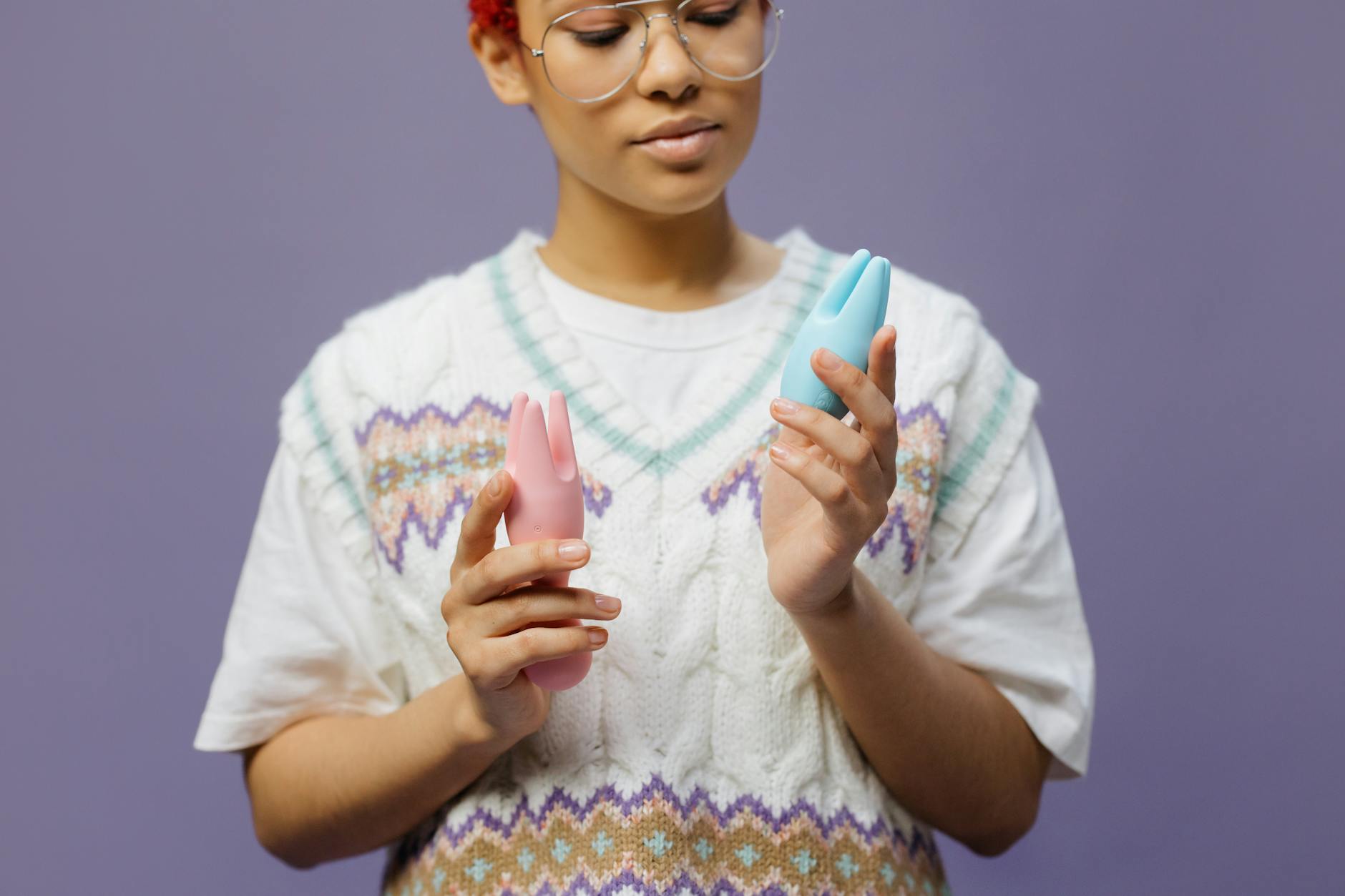
Photo by cottonbro studio on Pexels
The mindset shift that makes recovery faster
Here's what I see trip people up: they expect sensation to come roaring back. Then when it doesn't happen in a week, they panic and go back to high-intensity vibration to "jumpstart" things. This creates a cycle that actually delays recovery.
Instead, treat the first month like a sensory exploration, not a performance. You're not trying to come. You're not trying to prove sensation is still there. You're sitting with gentle suction and noticing what whispers of feeling you can detect. A tingle. A warmth. A slight pulse. These tiny sensations are proof that the nerve is waking up.
If you have a partner, let them know this is what you're doing. Tell them you're not looking for arousal or sex. You're practicing sensation recovery. This removes the pressure that makes numbness worse.
When to see someone
If numbness persists beyond three months of consistent recovery (including breaks from vibration and introduction of gentler tools like a lemon sucker), check in with a pelvic floor therapist or gynecologist. Sometimes numbness signals a deeper issue like nerve damage or hormonal imbalance that needs clinical attention.
Also reach out if numbness appeared suddenly without any known cause. That's different from numbness that developed gradually over time. Sudden numbness warrants a medical check.
The comeback is real
Clitoral numbness feels like the end of pleasure. It's not. It's a temporary signal that your nerve is overwhelmed. Rest it. Use gentler stimulation through suction rather than vibration. And be patient with yourself. Most people regain full sensation within two to three months. Many report that their sensation actually becomes sharper than it was before, because they've relearned how to feel.
People also ask
What's the difference between numbness and reduced sensitivity?
Numbness means you feel almost nothing, even with intense stimulation. Reduced sensitivity means you feel sensation, but it takes more to trigger it. They have different causes. Numbness usually signals inflammation or nerve compression. Reduced sensitivity usually signals hormonal change or anxiety. Treatment differs. If you're not sure which you have, check with a healthcare provider.
Can I use a regular lemon vibrator if I have clitoral numbness?
You can, but standard vibrators might not be the best choice while you're recovering. The suction design of a lemon vibrator is gentler on inflamed nerve tissue because it doesn't rely on rapid vibration against the clitoris. If you want to use a traditional vibrator, keep it on the lowest setting and use it sparingly. Better to start with suction, then reintroduce other tools once sensation begins to return.
How long does it take to feel sensation again?
Most people notice improvement within four to six weeks if they're consistent with gentle stimulation and rest. Full recovery typically takes eight to twelve weeks. The timeline depends on how long the numbness lasted and what caused it. If it was caused by intense vibration, recovery is usually faster than if it was caused by hormonal changes.
Can anxiety cause clitoral numbness?
Absolutely. Performance anxiety, worry about sensation, or general stress causes the pelvic floor to tighten and blood vessels to constrict. This reduces blood flow and sensation. If anxiety is the cause, addressing the psychological piece (through therapy or relaxation work) is as important as physical recovery. Many people find that numbness related to anxiety improves faster once they're not catastrophizing about it.
Is clitoral numbness permanent?
No. Unless there's severe nerve damage (which is rare), clitoral numbness is reversible. Most cases are inflammation or nerve compression, both of which respond well to rest and gentler stimulation. Even hormonal causes usually improve with time or targeted treatment. The key is stopping whatever caused the numbness and giving your body time to heal.
Should I see a doctor about clitoral numbness?
Yes if numbness appeared suddenly, if it's accompanied by pain or visible swelling, or if it hasn't improved after three months of self-care. Also check in with a healthcare provider if you suspect hormonal changes or medication side effects. A pelvic floor therapist can also help identify whether the issue is nerve compression, inflammation, or muscular tension. There's no shame in getting professional input. It actually speeds recovery.
You're not broken, just recovering
Clitoral numbness is your body's way of saying it's overwhelmed. It's not a permanent state, and it doesn't mean you've lost your capacity for pleasure. A lemon vibrator with gentle suction, consistent rest, and patience can bring sensation back. Focus on recovery, not performance. Your nerves will thank you.