Let me be direct about what's actually happening
Your libido didn't vanish. It got evicted. There's a difference, and it matters because one is permanent and the other is just extremely buried under sleep deprivation, body image shifts, and the background hum of responsibility that never stops.
Most parents with low desire after kids are running two separate scripts at once: one where they're managing logistics (school, meals, bedtimes, money) and another where they're supposed to suddenly feel sexy. Those two scripts don't coexist in the same nervous system. Your body hasn't forgotten how to want things. It's just in crisis mode.
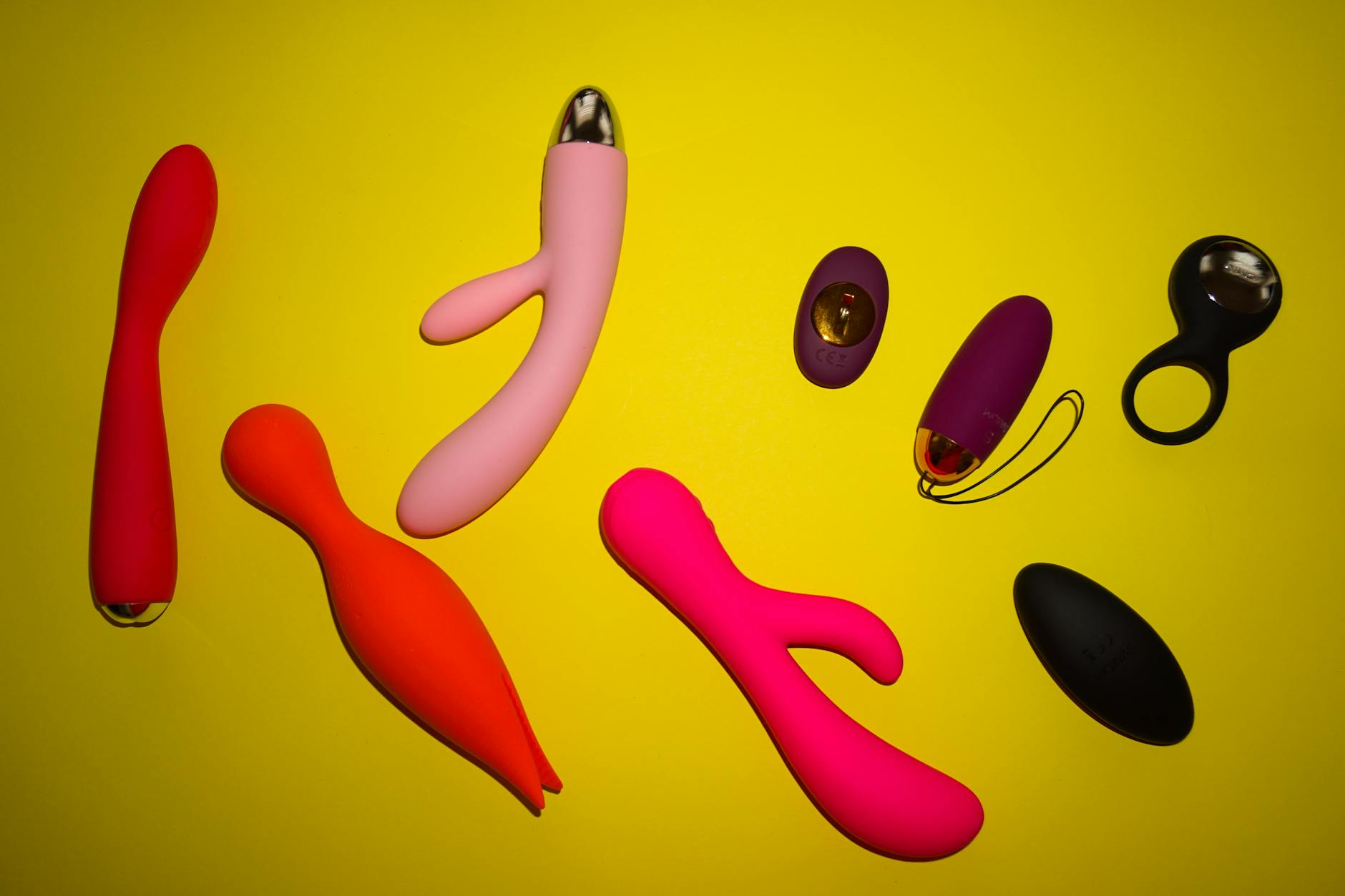
Here's where a lemon vibrator actually enters the picture, not as a magic fix, but as a tool for remembering.
Why low libido after kids feels different from other kinds
Postpartum desire loss isn't the same as depression, though it can overlap. It's not pure hormones, though those matter too. It's a specific collision of factors that create what I see over and over in my practice: people who genuinely love their partners but feel zero spark, and interpret that as brokenness.
It's not brokenness. It's protective. Your nervous system identified a million small threats (the baby waking up, the deadline, the argument you didn't finish, the body that doesn't feel like yours) and decided that arousal was a luxury. Arousal requires vulnerability. Vulnerability requires safety. Your brain stopped offering it.
The secondary issue is that the longer desire stays dormant, the easier it is to forget it existed at all. Three years without prioritizing your own pleasure is three years of rewiring what feels normal. By year three, some people genuinely can't remember what they liked or what turned them on. That forgetting is the real problem.
How lemon vibrators fit into rediscovering desire
Here's the thing about clitoral vibrators like a lemon sucker: they don't generate desire that wasn't there. They interrupt the learned shutdown pattern. Your nervous system learned "arousal isn't safe right now" and got really good at enforcing that rule. A vibrator with the right kind of stimulation can bypass that learned response and remind your body what pleasure actually feels like.
The reason a lemon clitoral vibrator specifically works for postpartum low libido isn't the shape. It's the stimulation pattern. Air-suction designs (like the lemon sucker vibrator) create a pulling sensation that feels notably different from direct vibration. For people whose desire has flatlined, that difference is enough to feel novel. Novel is what wakes up a suppressed nervous system.
Second, the lemon vibrator works because using it solo is dramatically lower stakes than partnered sex. You're not performing. There's no expectation. You're not worried about whether you're taking too long or whether your body looks a certain way. You're just reconnecting with your own capacity for sensation. That's the real work.
The solo-use part is not optional
This is where I push back against the narrative that vibrators fix the problem in partnerships. They don't. Not immediately. What they do is give you back access to your own body in privacy, without the pressure of someone else's timeline or expectations.
Most parents I work with need 2-4 weeks of solo exploration before partnered sexuality even makes sense again. Solo time with a lemon clitoral vibrator isn't practice for a partner. It's reclaiming a part of yourself that got sidelined. Once you remember what pleasure feels like on your own, with your own rhythm and your own brain in charge, the conversation with your partner can start from a different place.
Without that foundation, bringing a vibrator into partnered sex often backfires. Partners feel replaced or inadequate. You feel pressured to perform desire you don't actually feel yet. The vibrator becomes the problem instead of the solution.
Why this matters for the relationship, not just you
I know that sounds counterintuitive. Shouldn't rekindling desire help the relationship immediately? Sometimes it does. More often, the first thing that shifts is your relationship to yourself. You stop being at war with your body. You stop apologizing for not wanting sex. You stop believing you're broken.
That shift in self-perception is what actually rebuilds intimacy with a partner. Because you show up differently. You're not resentful that you're supposed to feel something you don't. You're not performing. You're claiming space for your own pleasure, which paradoxically makes you more available to your partner, not less.
If you're in a relationship where your partner resents you for having low desire, or pressures you to use a vibrator to speed up the process, that's a separate conversation and possibly a sign that you need to talk to someone like me about boundaries. A lemon sucker vibrator is not a substitute for a partner who respects where you are.
The timeline is slower than you want it to be
You probably want your libido back next week. It doesn't work that way. Desire that's been offline for 2-3 years takes months to genuinely resurface, not days. Some weeks you'll feel nothing. Some weeks you'll feel a flicker. That's normal. The point is consistency, not intensity.
I recommend setting a baseline: maybe 10 minutes twice a week, alone, with a lemon clitoral vibrator or whatever tool feels right. No pressure to orgasm. No performance metrics. Just reconnecting with sensation. Over weeks, that practice teaches your nervous system that pleasure is safe again.
There's also real value in the fact that you're doing this for yourself, not because your partner asked or because you feel obligated. That choice is part of what makes it work. You're not fixing a deficit. You're remembering something about yourself.
What actually rebuilds the larger picture
A lemon vibrator helps with one piece: it reestablishes your ability to feel pleasure solo. That's genuine and important. But low libido after kids isn't solved by solo satisfaction alone. It's solved by addressing the other factors in the system.
You might need to renegotiate bedtime so you're not wrecked at 9 p.m. You might need to talk to your partner about emotional labor distribution, which is often the hidden culprit. You might need to rebuild a sense of yourself as a person outside parenting. Sometimes therapy helps. Sometimes it's just naming the problem clearly enough that the system can shift.
The lemon sucker vibrator is a tool. A good one. But it's not the whole answer, and anyone selling it as such is overselling the product.
Common questions that come up
Q: Will a lemon clitoral vibrator actually make me want sex with my partner again?
Eventually, often yes. But the pathway is indirect. It reestablishes your capacity for pleasure and reminds your nervous system that desire isn't dangerous. That foundation makes it possible to work on the partnership piece separately. If your relationship has other issues, though, a vibrator won't fix those.
Q: How long before I notice a difference?
Most people start feeling something in 3-4 weeks of consistent solo use. That "something" might just be less numbness, not fireworks. Real shifts in partnered desire usually take 2-3 months because you're also working on the relational piece.
Q: Is it weird to use a lemon vibrator if I've never used one before?
Nope. In my practice, most postpartum clients are trying their first lemon clitoral vibrator specifically because they're in this position: desire gone, wanting to rebuild. It's one of the most common entry points. Start with a lower intensity setting and give yourself permission to not orgasm. That's the whole game at first.
Q: Should I tell my partner I'm using a vibrator?
That depends on your relationship and your comfort. Some people want privacy for this phase. Some people tell their partner as a heads-up. Some couples use it together eventually. There's no right answer. Do what feels safe for you.
Q: What if I try this and still feel nothing?
Then you might have something else going on. Sometimes low desire is depression. Sometimes it's a medical issue. Sometimes it's a sign that the relationship needs bigger changes. If after consistent solo exploration (say, eight weeks) you feel zero shift, that's worth talking to a doctor or therapist about.
The real thing I want you to know
Your desire didn't die. It's not broken. It's not a reflection of how you feel about your partner or your life. It's your nervous system responding rationally to being overwhelmed. Once you understand that, you can start working with it instead of against it.
A lemon sucker vibrator or any good lemon clitoral vibrator from Hello Nancy can help interrupt that pattern and remind you of something important: your body is still capable of pleasure, and you deserve to experience it. Not for performance. Not for your partner. For you.
Start there. Everything else builds from that foundation.